





Our Changing Climate: More Than Just Weather
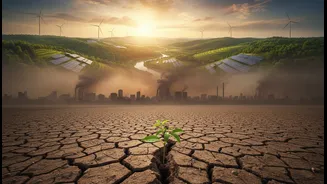
The report confirms what we all feel: our weather is becoming more extreme and unpredictable. 2025 saw extreme weather events on 99% of its days, from severe heatwaves to devastating floods. These aren't just news headlines; they are direct threats to our lives,
homes, and livelihoods. The erratic monsoon, influenced by events like El Niño, impacts everything from crop yields and food prices to the availability of drinking water in our cities. The economic toll is immense, with heat stress alone estimated to cost India up to 6% of its GDP annually through lost productivity. For the average person, this translates into more expensive vegetables at the market, higher electricity bills from running air conditioners during longer heatwaves, and an increased risk of displacement from floods.
The Air We Breathe: An Invisible Danger
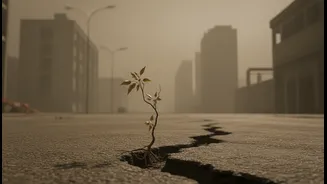
Air pollution remains one of India's most urgent public health crises. According to recent data, pollution is shortening the average Indian's life expectancy by several years. For residents of megacities like Delhi, the number is even higher. The report highlights that a vast majority of the population lives in areas where air quality is not even monitored, meaning millions are breathing toxic air without any warning. This pollution, a cocktail of emissions from vehicles, industry, and crop burning, is linked to an increase in respiratory illnesses, heart problems, and other chronic diseases. The practical takeaway is clear: we must be more conscious of the daily Air Quality Index (AQI), invest in masks for high-pollution days, and advocate for stricter emissions controls and a faster transition to clean energy.
Water Scarcity and Contamination
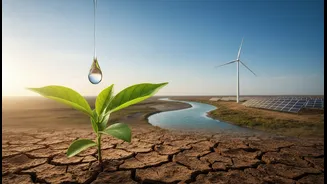
India's water situation is a paradox of scarcity and excess. While some regions face devastating floods, many others are dealing with depleted groundwater reserves and contaminated rivers. The report points out that hundreds of districts are now over-extracting groundwater, forcing a reliance on deeper, often more contaminated sources. At home, this means a greater risk of waterborne diseases and an increasing reliance on expensive packaged water or purification systems. The pollution of our rivers and lakes from industrial and municipal waste further strains our clean water supply. For citizens, this highlights the urgent need to conserve water at home, practice rainwater harvesting where possible, and support initiatives aimed at cleaning up local water bodies.
The Mountain of Waste
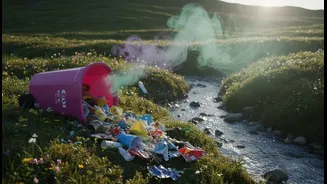
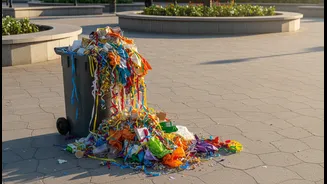
From towering landfills like Ghazipur in Delhi to the pervasive threat of single-use plastics, India is grappling with a monumental waste crisis. Municipal solid waste generation is projected to grow significantly, threatening to overwhelm our cities. Even top-performing states struggle with waste management, which has become a key national challenge. This isn't just an eyesore; it's a source of soil and water contamination and releases harmful greenhouse gases. For individuals, the path forward involves a conscious effort to reduce, reuse, and recycle. Segregating waste at source is the single most effective step a household can take. This simple act reduces the burden on landfills and allows for more effective recycling and composting, turning a problem into a resource.