






Understanding the Monsoon's Dangers
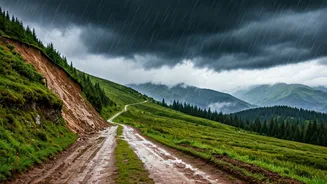
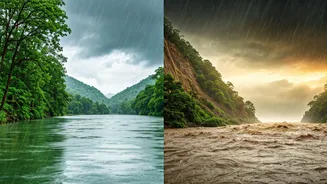
The monsoon season, typically lasting from June to September, transforms the Indian landscape. While it brings relief from summer heat, it also ushers in significant hazards. Heavy rainfall can trigger landslides, flash floods, and widespread waterlogging,
particularly in hilly and low-lying areas. [26] Regions like the Himalayas and the Western Ghats are beautiful but become especially vulnerable. According to the Geological Survey of India, about 12.6% of India's land area is prone to landslides, a risk that intensifies with saturated soil during the monsoon. [20] Hill stations in states like Himachal Pradesh, Uttarakhand, and Kerala frequently experience these events, which can lead to road closures, stranded tourists, and, in the worst cases, fatalities. [14, 21, 22] Beyond geological risks, the season is a breeding ground for mosquitoes and waterborne pathogens, increasing the prevalence of diseases like malaria, dengue, and typhoid. [8, 12, 19]
Heed Official Weather Warnings
Your first step in planning a monsoon trip should be consulting official sources. The India Meteorological Department (IMD) is the primary agency for weather forecasting and warnings in the country. [27] As of late June 2026, the Southwest Monsoon has advanced across large parts of the country, with the IMD issuing alerts for heavy rainfall in regions like Konkan, Goa, and Northeast India. [16] It's crucial to check the IMD's district-wise warnings and special bulletins, which provide specific, localised information on expected rainfall intensity and potential hazards. [27] State Disaster Management Authorities also issue advisories for high-risk areas. [21] For instance, authorities in Uttarakhand often pause pilgrim travel during periods of heavy rain due to landslide risks. [21] Ignoring these warnings can put you in a precarious situation, far from assistance. [29]
Choose Your Destination Wisely
Not all destinations are created equal during the monsoon. While the lush greenery is tempting, it's wise to avoid areas known for their high risk of landslides and floods. [23] Hill stations such as Manali, Mussoorie, Darjeeling, and parts of Munnar are frequently cited as landslide-prone and may be best avoided during peak rains. [14, 21, 22] Safer alternatives often include places that receive less intense rainfall or have more stable terrain. Destinations in the Deccan Plateau, parts of Rajasthan like Mount Abu, or rain-shadow regions like Ladakh and Spiti Valley offer beautiful travel experiences without the high risk of rain-related disruptions. [6, 11, 18] If you do choose a destination in the Western Ghats, like Coorg or Mahabaleshwar, opt for well-maintained properties and stay updated on local conditions. [6, 18]
On the Road: Driving and Transport Safety
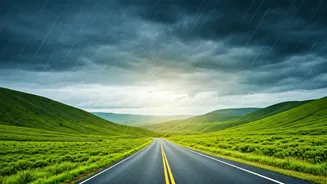
Travelling by road during the monsoon requires extreme caution. Wet roads are slippery, significantly increasing braking distances. [2, 7] Always reduce your speed, maintain a safe distance from the vehicle ahead, and avoid sudden manoeuvres. [2, 7] Before starting your journey, ensure your vehicle is monsoon-ready: check your tyres for adequate tread, ensure brakes are in top condition, and confirm that your wipers and headlights are fully functional. [4, 5] Driving through waterlogged areas is a major risk; it can damage your vehicle's engine and electrical systems. [2] If you're unsure of the water's depth, it is always safer to find an alternative route or wait for the water to recede. [7] Avoid driving at night when visibility is drastically reduced. [2] If you must pull over, use your hazard lights to ensure other drivers can see you. [4]
Pack Smart and Stay Healthy
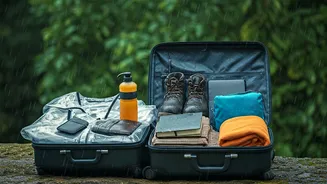
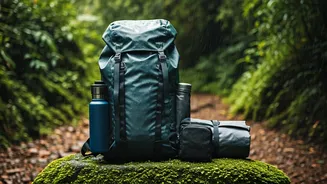
Your packing list should be tailored for wet conditions. Lightweight, quick-drying clothes are essential, along with a reliable raincoat and waterproof footwear. [26] Keep electronics, travel documents, and wallets in waterproof bags. [26] A comprehensive first-aid kit is non-negotiable, stocked with basic medicines for fever, cold, diarrhoea, and any personal prescriptions. [29] Insect repellent is crucial to protect against mosquito-borne illnesses like dengue and malaria, which see a spike during this season. [8, 17] Be mindful of food and water hygiene. Avoid street food, which can be a source of waterborne diseases like cholera and typhoid, and drink only bottled or boiled water. [12, 29] Maintaining personal hygiene can also help prevent common fungal infections that thrive in the humid climate. [8]