

Understanding the GRAP Framework
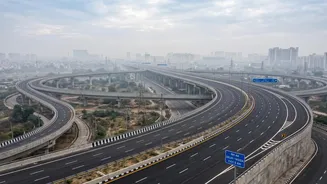
Every year, as temperatures drop and wind speeds slow, air quality in the National Capital Region (NCR) plummets to hazardous levels. In response, authorities implement the Graded Response Action Plan (GRAP), a set of emergency measures that become progressively
stricter as the Air Quality Index (AQI) worsens. Managed by the Commission for Air Quality Management (CAQM), GRAP is divided into four stages, from 'Poor' to 'Severe+', each triggering specific restrictions on transport, construction, and industry to curb pollution. For transport operators, this means daily operations can change overnight based on the declared GRAP stage.
Which Commercial Vehicles Are Restricted?
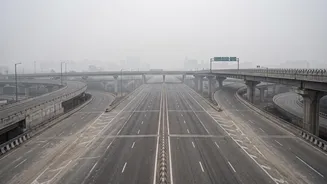
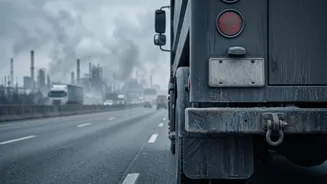
The primary targets of GRAP's transport restrictions are older, more polluting commercial vehicles. Starting November 1, 2026, a major rule change will bar the entry of commercial goods vehicles and buses that meet BS-IV or older emission standards into Delhi. This restriction applies to light, medium, and heavy goods vehicles. Only vehicles running on electricity, CNG, or those compliant with BS-VI diesel norms will be permitted entry. These rules are in addition to the stage-based GRAP restrictions. For example, under Stage III ('Severe'), there are curbs on BS-III petrol and BS-IV diesel four-wheelers in Delhi and several key NCR districts like Gurugram, Ghaziabad, and Faridabad. Stage IV ('Severe+') can trigger a near-complete ban on trucks entering Delhi, with exceptions only for those carrying essential goods or running on clean fuels like CNG, LNG, and electric.
The High Cost of Non-Compliance
Ignoring these regulations carries significant financial risk. Authorities have ramped up enforcement, with fines for violations being substantial. Driving a banned vehicle during a high-alert period can lead to a fine of up to ₹20,000. Another critical compliance point is the Pollution Under Control (PUC) certificate. Vehicles without a valid PUC certificate face a fine of ₹10,000. In past seasons, authorities have collected crores in fines from PUC violations alone during GRAP implementation. Beyond fines, non-compliant vehicles risk being impounded, leading to further operational losses and delays. The Delhi government has also initiated a 'No PUC, No Fuel' policy at hundreds of fuel stations to further enforce compliance.
How to Stay Updated and Compliant
For drivers and fleet managers, staying informed is the best strategy. First, verify your vehicle's emission standard. This can be checked online through the government's Vahan portal using the vehicle's registration number. This will clarify whether your vehicle is a BS-III, BS-IV, or BS-VI model. Secondly, ensure your vehicle has a valid and up-to-date PUC certificate at all times. Thirdly, monitor daily announcements from the CAQM. GRAP stages are invoked based on AQI forecasts, and restrictions can be announced with little lead time. Planning routes to use the Eastern and Western Peripheral Expressways to bypass Delhi for non-destined traffic is also a mandatory measure under GRAP. Finally, for businesses operating in the region, investing in a compliant fleet (BS-VI, CNG, or electric) is becoming less of a choice and more of a necessity for uninterrupted operations during the winter months.