

The Return of the Native Grain
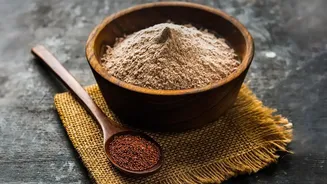
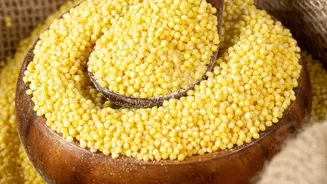
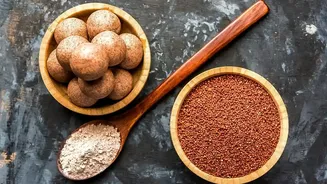
For decades, the Indian plate was dominated by wheat and rice, a direct consequence of the Green Revolution which, while crucial for food security, pushed traditional grains to the margins. Millets like jowar (sorghum), bajra (pearl millet), and ragi
(finger millet) were once staples across the subcontinent, perfectly adapted to local climates and forming the bedrock of regional cuisines. Today, a growing awareness around health and wellness is prompting urban households to look back at what their grandparents ate. This isn't just nostalgia; it's a conscious choice to replace the empty calories of processed foods with nutrient-dense, homegrown alternatives. This shift has been so significant that the UN, at India's behest, declared 2023 the 'International Year of Millets' to promote these resilient and nutritious grains globally.
The Nutritional Case Against Refined Flour
To understand the rise of millets, one must first understand what they are replacing. Refined flour, or maida, is made by stripping the wheat kernel of its bran and germ, which removes most of its fibre, vitamins, and minerals. What's left is a fine, white starch that has a high glycemic index (GI), causing rapid spikes in blood sugar. Regular consumption of maida-based products like white bread, biscuits, and naan is linked to a range of health issues, including weight gain, digestive problems like bloating and constipation, and an increased risk of type 2 diabetes and heart disease. Lacking fibre, maida provides poor satiety, meaning you feel hungry sooner and are more likely to overeat.
Why Millets Are Nutritionally Superior
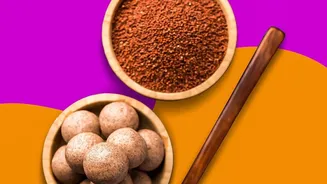
Millets stand in stark contrast to refined flour. As whole grains, they retain their nutrient-rich outer layers. They are packed with dietary fibre, which aids digestion, promotes gut health, and ensures a slow, steady release of energy, preventing blood sugar spikes. Different millets offer unique benefits: ragi is a powerhouse of calcium, bajra is rich in iron and magnesium, and jowar is loaded with antioxidants. Most millets have a significantly lower glycemic index compared to refined grains, making them an excellent choice for managing blood sugar levels. Furthermore, all millets are naturally gluten-free, catering to a growing population with gluten sensitivities.
A Rainbow of Grains to Explore
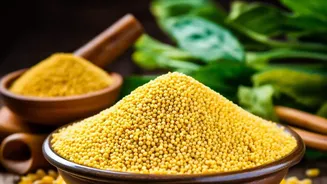
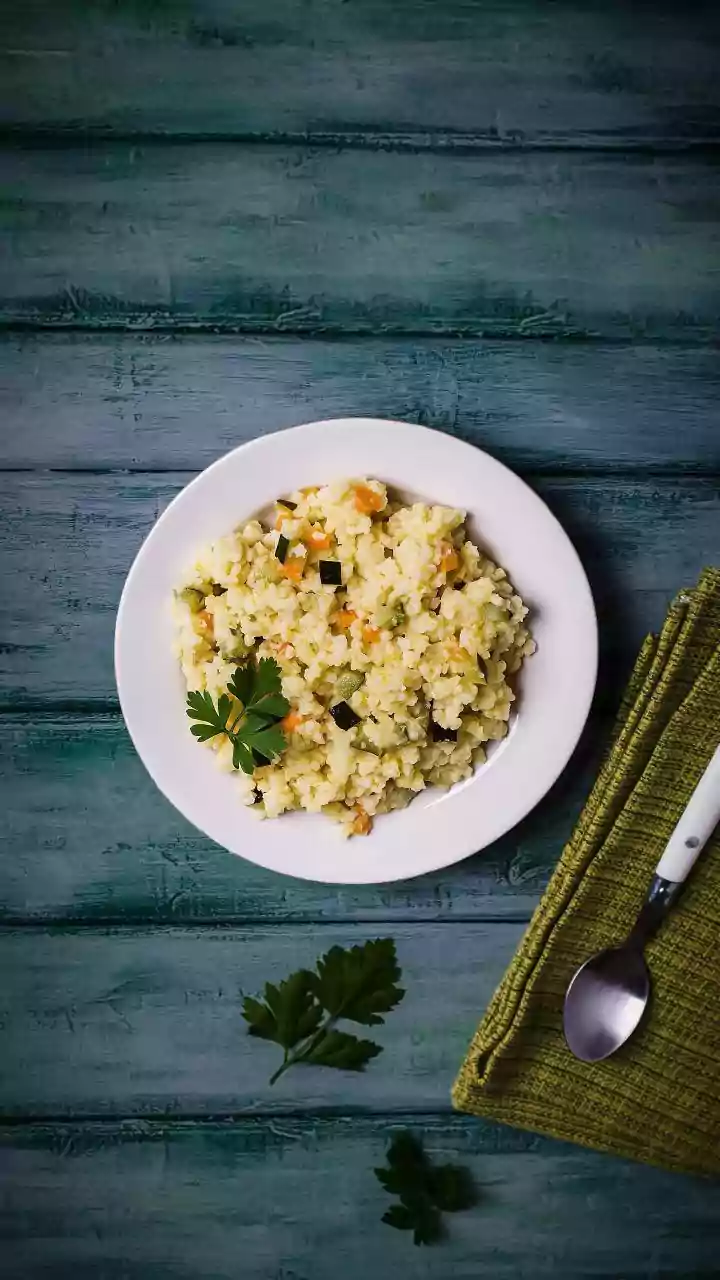
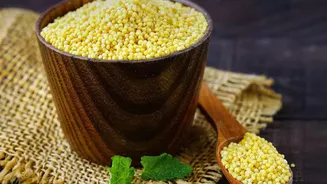
The world of millets extends far beyond the common trio. There are 'minor' millets, also called 'positive millets', that are gaining popularity for being light and easy to digest. These include foxtail millet (kangni/thinai), which supports heart health; little millet (kutki/saamai), known for its B-vitamin content; and kodo millet (varagu), which is rich in fibre and antioxidants. Barnyard millet (kuthiraivali/sanwa) has one of the lowest glycemic indices and is a popular choice for fasting days. Rotating these grains in your diet ensures a wider spectrum of nutrients.
Easy Ways to Join the Millet Movement
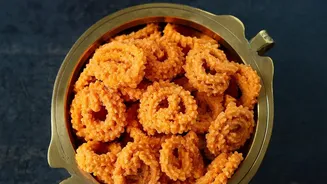
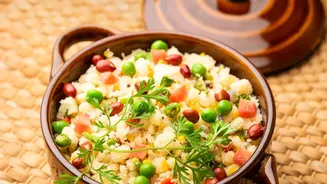
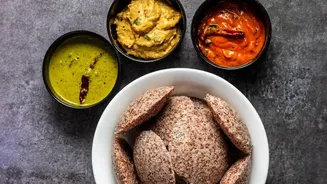
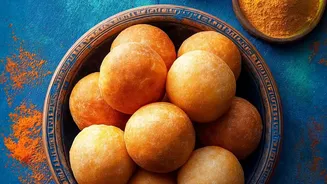
Incorporating millets into your daily diet doesn't require a complete kitchen overhaul. You can start small. Try making rotis with an 80:20 blend of whole wheat and jowar or bajra flour. Substitute rice with cooked foxtail or little millet in dishes like pulao, lemon rice, or curd rice. Millet flours can be used to make dosa, upma, and even healthy desserts like ladoos. Ragi porridge is a traditional and highly nutritious breakfast option for all ages. The key is to start gradually, allowing your palate to adjust and discovering the versatile and delicious ways these ancient grains can enrich your meals.