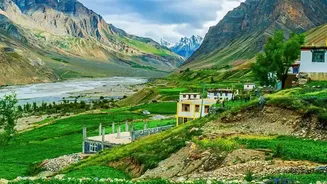






Understanding the Permit Landscape
First, let's clarify a common point of confusion: for Indian citizens, a special travel permit like an Inner Line Permit (ILP) is not required to visit the main tourist areas of Spiti Valley, including Kaza, Tabo, and Key Monastery. You simply need to carry
a valid government-issued photo ID, such as an Aadhaar card or passport, for registration at police checkposts along the way. However, for foreign nationals, a Protected Area Permit (PAP) is mandatory to travel beyond certain points, including the areas of upper Kinnaur and most of Spiti Valley. This permit must be obtained offline from designated government offices like the SDM offices in Shimla, Reckong Peo, or Kaza.
The Real Issue: Route Safety, Not Permits
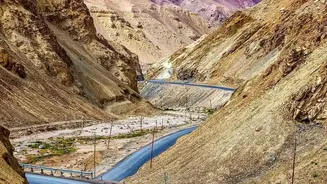
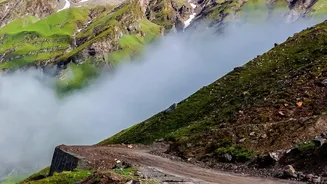
The headline's emphasis on "updated permits" points toward a broader theme of increased regulation for safety, rather than a new document for Indian travellers. The primary concern during the monsoon (July to early September) is the extreme unpredictability of the access routes. While Spiti itself is in a rain-shadow area and receives little rainfall, the highways leading to it are highly susceptible to landslides, flash floods, and road blockages. Recent advisories from August 2026 confirm that stretches of National Highway 5 (the Shimla-Kinnaur route) have faced closures due to landslides, and the Manali-Kaza route via Gramphu is also frequently affected. This makes meticulous planning and daily route checks essential.
Navigating the Monsoon Routes
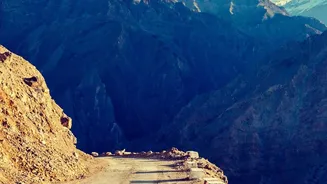
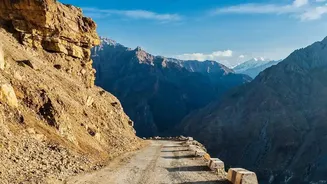
There are two primary roads into Spiti: via Shimla and Kinnaur, or via Manali and the Kunzum Pass. Traditionally, the Shimla-Kinnaur route is considered more stable during the monsoon. It allows for gradual acclimatisation to the altitude, which is crucial for preventing acute mountain sickness. However, this year, this route has been particularly vulnerable to landslides, especially between Wangtu and Sumdo. The Manali-Kaza route, while shorter, involves crossing the high-altitude Kunzum Pass and a notoriously difficult stretch from Gramphu to Losar, making it suitable only for 4x4 vehicles and highly experienced mountain drivers. As of early August 2026, the Keylong to Kaza section was reported as closed by the district administration, highlighting the fluid nature of road access. Always check the official Lahaul and Spiti district website for the latest road status before you travel.
Essential Monsoon Travel Strategy
A safe trip to Spiti during the monsoon is less about a single permit and more about a comprehensive safety strategy. First, build buffer days into your itinerary. A two-day road closure can completely derail a tightly packed schedule. Second, travel with an experienced local driver who understands the terrain and has access to real-time information from local networks. Self-driving is not recommended for those unfamiliar with Himalayan monsoon conditions. Third, stay updated constantly. Check the official Lahaul & Spiti Police Facebook page and other reliable local travel groups for daily road status updates. Finally, pack for all eventualities. This includes waterproof gear, extra food and water, power banks, and a basic first-aid kit.
Vehicle Registration and Other Formalities
While not a personal travel permit, the Lahaul and Spiti administration has implemented an online vehicle registration system called e-Aagman. This system is designed to manage traffic flow, particularly since the opening of the Atal Tunnel. Vehicles entering the district may need to apply for an e-pass. It's crucial to check the e-Aagman portal for the latest requirements for your specific route and vehicle type. This registration helps authorities keep a record of vehicles in the district, which is invaluable for safety and management during emergencies like road closures.