


Cleanse Gently, Not Aggressively
The sticky feeling from high humidity may tempt you to wash your face multiple times a day, but dermatologists advise against it. Over-cleansing can strip your skin of its natural oils, causing it to produce even more sebum to compensate, leading to more breakouts.
Stick to cleansing twice a day with a gentle, pH-balanced face wash. Look for formulations that are non-comedogenic, meaning they won't clog your pores. If you have been sweating heavily or get caught in the rain, a rinse with plain water is better than a full cleanse.
Switch to a Lightweight Moisturiser
It’s a common myth that oily or damp skin doesn’t need moisturising. The truth is, high humidity can actually dehydrate the skin underneath all that surface oil. Skipping moisturiser can make your skin produce more oil to make up for the lack of hydration. During the monsoon, swap heavy creams for lightweight, oil-free, and gel-based formulas. Ingredients like hyaluronic acid are excellent for providing hydration without adding greasiness.
Don't Skip Sunscreen, Even on Cloudy Days
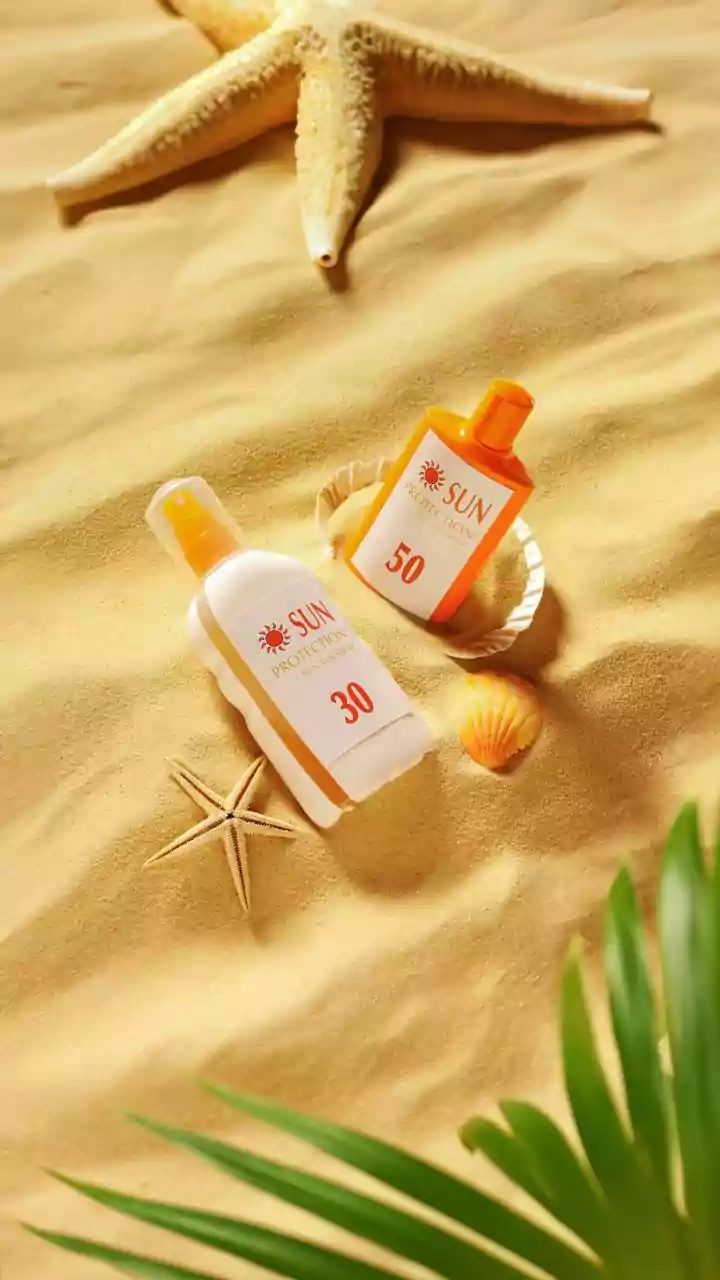
One of the biggest monsoon skincare mistakes is skipping sunscreen. Even on overcast and rainy days, up to 80% of the sun's harmful UV rays can penetrate the clouds. These rays can cause long-term damage, worsen post-acne marks, and contribute to pigmentation. To protect your skin without adding to the greasy feeling, opt for a gel-based, non-comedogenic sunscreen with at least SPF 30. Water-resistant formulas are a great choice for humid, rainy weather.
Exfoliate, But Don't Overdo It
High humidity increases sweat and oil production, which can trap dead skin cells and clog pores. Exfoliation is key to removing this buildup, but being too aggressive can damage the skin's protective barrier and increase sensitivity. Limit exfoliation to once or twice a week. Gentle chemical exfoliants containing ingredients like salicylic acid can be particularly effective, as they penetrate pores to clear out oil and debris.
Rethink Your Makeup Routine
Heavy makeup can trap sweat, oil, and bacteria against the skin, creating a perfect environment for breakouts. The monsoon is an ideal time to embrace a more minimal makeup routine. If you do wear makeup, choose lightweight, water-based, and non-comedogenic products. It's also crucial to ensure you thoroughly remove all makeup at the end of the day to allow your skin to breathe and repair overnight.
Shower After Sweating or Rain
Letting sweat or polluted rainwater dry on your skin can lead to clogged pores and potential infections. Make it a habit to shower as soon as possible after working out, sweating heavily, or getting drenched in the rain. This simple step helps wash away bacteria and impurities. Also, be sure to change out of damp clothes quickly, as the friction and trapped moisture can cause body acne, particularly on the back and shoulders.
Pay Attention to Your Surroundings
Bacteria thrive in warm, damp environments, which is the very definition of the monsoon season. Simple hygiene habits can make a big difference. Change your pillowcases and towels frequently, as they can accumulate oil, sweat, and bacteria. Be mindful of touching your face, as this can transfer dirt and germs to your skin. Keeping your hair clean and tied back away from your face can also prevent oils and hair products from clogging pores on your forehead and cheeks.