




The Trap of the Perfect Picture
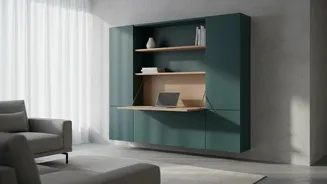
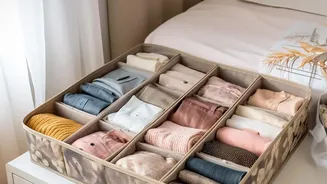
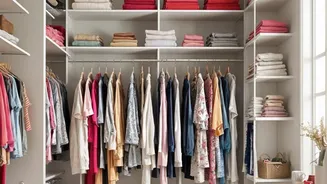
Online shopping has made it easier than ever to find stylish storage solutions. Product pages are filled with glossy photos showing perfectly curated shelves and flawlessly organised pantries. These images sell a dream of a clutter-free life. However,
product photos can be misleading. Professional photographers use specific angles, lighting, and props to make items look appealing, but this can distort their real-world scale. A cabinet might look grand and spacious on a blank white background but appear bulky and overwhelming in a standard-sized Indian apartment. This visual disconnect is why so many well-intentioned purchases end in disappointment.
The Non-Negotiable First Step: Measure Your Space
Before you even open a shopping tab, grab a tape measure. It's the most critical tool in your organising arsenal. One of the most frequent mistakes buyers make is underestimating their needs or guessing the dimensions. This simple oversight can lead to furniture that blocks a walkway, a cabinet that won’t fit through a doorway, or bins that are just slightly too wide for your shelf. The consequences are wasted money, the hassle of returns, and the very clutter you were trying to eliminate. Taking a few minutes to measure saves you from these costly errors and ensures the piece you buy will be functional, not just fashionable.
Your Complete Measurement Checklist
Effective measuring goes beyond just the spot where the item will sit. To guarantee a perfect fit, you need a comprehensive plan. Start by sketching a rough layout of your room. Then, record the following: The Destination Space: Measure the height, width, and depth of the exact area where the storage unit will go. The Path In: Measure the height and width of all doorways, hallways, and stairwells the furniture must pass through to get to its final spot. This is the most commonly missed step and the cause of many delivery day disasters. Architectural Features: Note the location of windows, electrical outlets, and heating vents to ensure the new furniture doesn't block them. Clearance Space: Account for the space needed for cabinet doors or drawers to open fully. Also, plan for adequate walking paths around the furniture, typically recommending at least 30-36 inches for major walkways.
Don't Forget to Measure Your 'Stuff'
A shelf that fits your wall is useless if it doesn't fit your belongings. This is another common pitfall: buying storage without considering what it will hold. Before purchasing pantry containers, measure your largest cereal boxes. Before choosing a bookshelf, measure the height of your tallest books. If you’re buying bins for a closet, take an inventory of the items you plan to store inside them to estimate the volume you truly need. This ensures you're not just buying an empty box, but a functional solution that actively solves your storage problem. You should also consider using vertical space, which is often overlooked but provides valuable storage area.
From Measurements to a Confident Purchase
With your detailed measurements in hand, you can now shop with confidence. Use the dimensions to filter your online search results, immediately eliminating items that won’t work. When you find a product you like, compare its listed height, width, and depth against your notes. Don't just trust the main photo; look for images that provide scale, like a person standing next to the item or shots that show it in a fully furnished room. If you're buying a large item, some experts even suggest using painter's tape on your floor to outline the furniture's footprint. This simple trick helps you visualize exactly how it will occupy the space and affect traffic flow, moving your decision from a guess to a certainty.