






What 'Neural Fatigue' Actually Feels Like
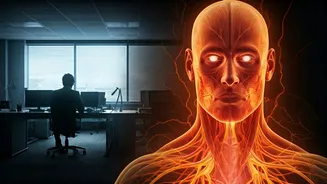
The term 'neural fatigue' might sound clinical, but it describes a deeply personal and frustrating experience. It’s not the simple tiredness that comes after a long day, which a good night's sleep can fix. This is a pervasive mental exhaustion that lingers.
Symptoms often include difficulty concentrating, memory lapses, a feeling of being mentally 'slowed down,' and general irritability. For many, it manifests as 'brain fog,' an inability to think clearly that makes even simple tasks feel overwhelming. This profound exhaustion doesn’t improve with rest and can feel invisible to others, making it a lonely and disabling experience.
The Prime Suspect: Vitamin B12 Deficiency
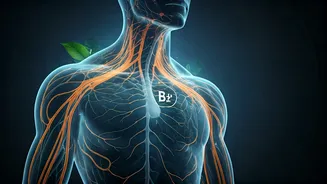
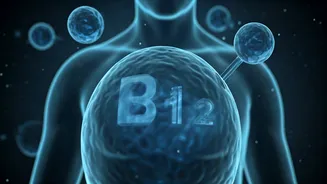
For vegetarians in India, Vitamin B12 deficiency is a widespread and serious concern, with some studies suggesting up to 47% of the population is deficient. This vitamin is crucial for nerve health, red blood cell formation, and energy metabolism. Since B12 is found almost exclusively in animal products, a vegetarian diet poses a significant risk without careful planning. The symptoms are a near-perfect match for neural fatigue: persistent tiredness even after adequate sleep, memory problems, mood swings, and a tingling or numbness in the hands and feet. Long-term deficiency can lead to irreversible neurological damage, making it a critical nutrient to monitor.
The Iron-Cognition Connection
Iron deficiency is another major issue in India, particularly among women and adolescents. Its primary role is to carry oxygen in the blood, and when levels are low, less oxygen reaches the brain. This directly impacts cognitive function. Studies on Indian adolescents have shown that iron deficiency, even without full-blown anaemia, is linked to decreased scores in attention, concentration, memory, and even IQ. This leads to what feels like mental sluggishness, an inability to focus, and a reduced capacity for learning and productivity. While vegetarian diets can be rich in iron from sources like lentils and leafy greens, compounds in these plant-based foods can also inhibit its absorption.
The Overlooked Players: Vitamin D and Omega-3s
The 'sunshine vitamin,' Vitamin D, is another nutrient where deficiency is surprisingly common in India, affecting up to 80-90% of the population despite ample sunlight. It plays a role in mood regulation and brain health, and low levels are linked to fatigue and low mood. Omega-3 fatty acids, essential for brain structure and reducing inflammation, are also a challenge. The most potent forms (EPA and DHA) are found in fatty fish. Plant-based sources like flaxseeds and walnuts provide a different form (ALA), which the body must convert, making it less efficient. A lack of Omega-3s can contribute to brain fog, poor focus, and joint stiffness.
Actionable Steps to Reclaim Your Energy
Understanding the problem is the first step; taking action is the next. For B12, the most reliable approach for vegetarians is supplementation or consuming fortified foods like certain plant milks and cereals, as plant-based dietary sources are not dependable. To boost iron absorption, pair iron-rich foods like rajma, chana, and dark leafy greens with a source of Vitamin C, such as a squeeze of lemon. For Vitamin D, aim for 15-20 minutes of morning sun exposure and consider fortified foods or a supplement. Incorporate Omega-3s daily through a tablespoon of ground flaxseed or a handful of walnuts. Being mindful of these nutritional gaps allows you to build a truly robust and energising vegetarian diet.