





More Than Just a Space-Saver
For years, travellers have sworn by rolling clothes to maximise suitcase space. While it's true that rolled clothes are more compact than folded ones, the benefits go far beyond fitting more into your bag, especially during the rainy season. Folding creates
creases and open spaces, which can trap humid air and moisture, leading to that dreaded damp, musty smell. Rolling, on the other hand, compresses the fabric. This tight compression creates a denser bundle with less surface area exposed to the ambient humidity inside your luggage, offering a surprising first line of defence against dampness.
The Basic Roll: Your First Step
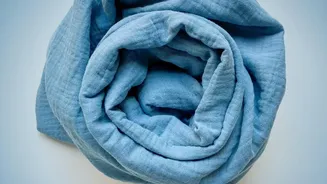
Mastering the art of rolling begins with the basics. This technique works wonders for t-shirts, pants, and casual wear. Start by laying the garment on a flat surface and smoothing out any major wrinkles. For a t-shirt, fold the sleeves in to create a neat rectangle. For trousers, fold them in half lengthwise. Now, starting from the end opposite the collar or waistband, roll the garment as tightly and evenly as you can. The goal is to create a snug, cylindrical bundle. This simple method not only saves a significant amount of space but also helps minimise creasing compared to traditional folding, where sharp folds set in during transit.
Upgrade to the 'Ranger Roll'
For an even more secure and compact bundle, it’s time to learn the 'Ranger Roll', also known as the military roll. This method creates a self-contained packet that won't unravel in your bag. To begin, lay a t-shirt flat and fold the bottom hem inside-out to create a 'lip' about three to four inches deep. Next, fold one side of the shirt towards the centre, laying the sleeve flat along the body. Repeat on the other side to form a perfect rectangle. Now, starting from the collar, roll the shirt down as tightly as possible towards the lip you created. Once you reach the end, take the outer layer of the lip and pull it over the entire roll, securing it like a pouch. This technique creates an incredibly compact and protected bundle that's resistant to both unravelling and moisture.
Creating a Waterproof Barrier
Rolling is powerful, but it's not magic. On a truly wet road trip, you need a second layer of defence. This is where rolling works in perfect harmony with other waterproofing methods. Tightly rolled items are much easier to arrange inside packing cubes or even simple plastic bags. Group similar items together—all your t-shirts in one cube, bottoms in another. By placing these rolled bundles into a waterproof or water-resistant cube, you create a double barrier. If your main suitcase gets splashed or a leak occurs, the cube provides initial protection, and the tightly compressed nature of the rolled clothes inside prevents moisture from seeping deep into the fabric.
Strategic Packing for Easy Access
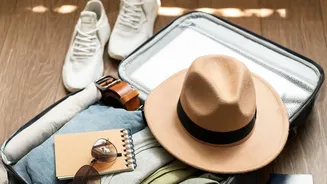
A well-rolled and organised bag makes life on the road much simpler. The uniform, cylindrical shape of rolled items allows for 'filing' instead of 'stacking'. You can arrange your clothes vertically in your suitcase or backpack, allowing you to see and access everything at a glance without rummaging through folded layers. This is invaluable on a road trip where you might be living out of your bag for days. Place heavier rolled items like jeans and jackets at the bottom of your bag near the wheels for better stability. Lighter items like t-shirts and underwear can be arranged on top or used to fill in any gaps, ensuring your bag's contents don't shift around during transit.