





The Rise of the 'Glow Juice'
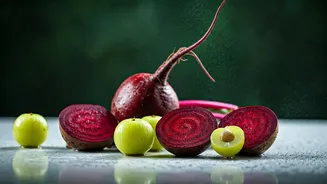
In the endless search for clear, radiant skin, a new contender has gone viral, particularly among young Indians. It’s not an expensive serum or a complicated facial, but a simple, homemade concoction: beetroot and amla juice. Touted on social media as a 'miracle
drink', this vibrant potion is celebrated for its ability to deliver a healthy glow from the inside out. This trend taps into a growing desire for natural, accessible wellness solutions that draw on traditional wisdom. Instead of relying solely on topical products, the focus shifts inward, using nutrition to support the body’s largest organ—the skin.
Powerhouse Ingredient: Beetroot
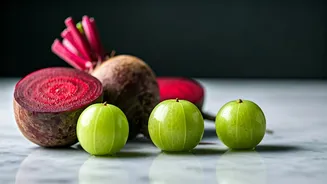
The star of the show, beetroot, gives the juice its stunning colour and a host of skin-loving nutrients. Beets are packed with antioxidants, particularly betalains, which help protect cells from oxidative stress and free radical damage—a key contributor to premature ageing. They are also a great source of Vitamin C, which is essential for the synthesis of collagen, the protein that keeps skin firm and supple. Furthermore, the natural nitrates in beetroot are known to improve blood circulation. This enhanced blood flow can help deliver more oxygen and nutrients to skin cells, resulting in a healthier, more vibrant complexion and that coveted natural 'flush'.
Ayurvedic Superstar: Amla
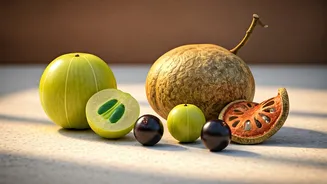
Amla, or Indian gooseberry, is no stranger to Indian households. A cornerstone of Ayurvedic medicine for centuries, it is revered for its potent health benefits. When it comes to skin, amla is in a league of its own. It contains one of the highest concentrations of Vitamin C found in any natural food source—reportedly up to 20 times more than an orange. This antioxidant powerhouse not only aids collagen production but also helps to brighten the skin, fade hyperpigmentation, and fight off environmental damage. Its anti-inflammatory properties can also help soothe irritated skin and reduce breakouts, making it a true multi-tasking hero for your skin.
Your Simple Glow Juice Recipe
Ready to try it for yourself? Making this juice is incredibly simple. You don't need fancy equipment, although a juicer makes it easier. **Ingredients:** - 1 medium-sized beetroot, washed, peeled, and roughly chopped - 1-2 amlas, deseeded and chopped - 1/2 inch piece of ginger (optional, for flavour and digestion) - A pinch of black salt (kala namak, optional) - 1/2 cup of water (if using a blender) **Instructions (with a juicer):** Simply pass the beetroot, amla, and ginger through your juicer. Stir and drink immediately. **Instructions (with a blender):** Add all ingredients to a high-speed blender and blend until smooth. Add a little water if needed to get things moving. Strain the mixture through a fine-mesh sieve or a cheesecloth to remove the pulp. Serve fresh.
How to Incorporate It Into Your Routine
For maximum benefit, many proponents suggest drinking this juice first thing in the morning on an empty stomach. This is thought to allow for better absorption of nutrients. The key, like any wellness practice, is consistency. Aim to have a small glass daily or every other day for a few weeks to see if you notice any changes. Don’t expect overnight miracles; supporting your skin through nutrition is a long-term game. Think of it as a nourishing supplement to your existing routine. Also, a word of warning: don't be alarmed if your urine or stools turn a reddish colour. This is a harmless side effect known as beeturia, caused by the pigments in beetroot.
A Dose of Reality: What to Expect
While beetroot and amla are undeniably nutritious, it's important to have realistic expectations. This juice is not a magic potion that will erase all skin concerns. Dermatologists and nutritionists agree that while a nutrient-rich diet supports skin health, a 'glow' is the result of a holistic lifestyle. This includes a balanced diet, adequate hydration, regular exercise, sufficient sleep, and a consistent skincare routine. This juice is a fantastic, healthy addition that can contribute to your overall nutrient intake, but it works best as part of a broader wellness strategy. It cannot compensate for a poor diet or lifestyle.