



The Science Behind the Soot
Wood ash, the powdery residue left after burning untreated wood, might seem like waste, but it's a valuable resource for gardeners. Its power against pests comes from two key properties. First, it is highly alkaline and salty. For soft-bodied pests like slugs
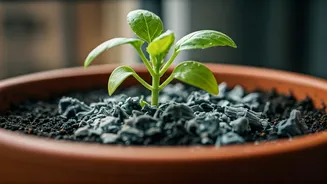
and snails, crawling over a line of wood ash is a deeply unpleasant experience that irritates and dehydrates their bodies, creating an effective barrier. Second, the fine, crystalline structure of the ash particles acts as an abrasive. These sharp (on a microscopic level) particles can clog the breathing pores of smaller insects like aphids and mites, discouraging them from settling on your plants. It’s not a poison; it’s a physical deterrent that makes your plants an inhospitable environment for these unwelcome guests.
Source Your Ash Safely
This is the most critical step: not all ash is created equal. For garden use, you must only use ash from burning clean, untreated, and unpainted hardwood or softwood. Think firewood from a known source, or residue from a bonfire using natural branches. Never use ash from a charcoal barbecue, as it contains chemical accelerants and additives that can harm your plants and soil. Similarly, avoid ash from burning cardboard, glossy paper, treated lumber, or particleboard, as these release toxic chemicals like arsenic and heavy metals into the ash. Using the wrong type of ash can do far more damage than the pests you’re trying to deter. If you don't have a source of clean wood ash, it's better to seek other natural pest control methods.
Application: The Dusting Method
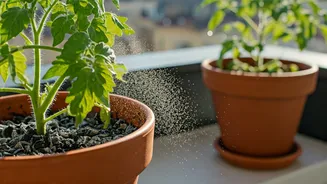
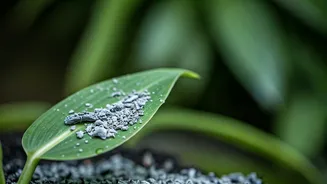
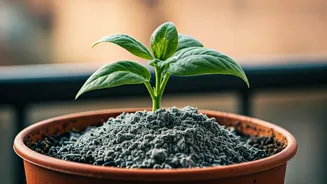
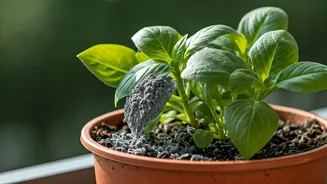
The most common and effective way to use wood ash for pest control is by dusting. This method creates a direct barrier. Wait for a dry, calm day. Lightly sprinkle a thin circle of dry wood ash around the base of each plant pot on your balcony. This creates a protective ring that slugs and snails will be reluctant to cross. For pests on leaves, like aphids, you can apply a very fine dusting directly onto the foliage. Place a small amount of ash in a jar with a perforated lid or a fine-mesh sieve and gently tap it over the affected leaves. The key is a light coating, not a thick blanket which can block sunlight. This method needs to be reapplied weekly, as the headline suggests, and more frequently if it rains, as water will wash the ash away and neutralize its effect.
The 'Diluted' Liquid Application
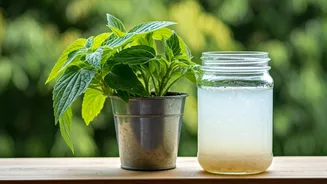
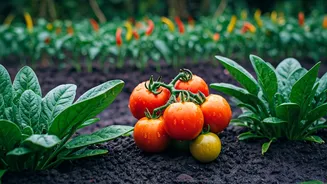
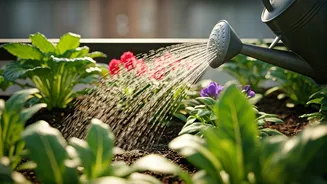
The headline also mentions a diluted application. This refers to creating a 'wood ash tea' or slurry, which is used more as a soil amendment than a direct pest repellent. To do this, you can mix a small amount of wood ash (about one cup per 5 litres of water) and let it sit for a few hours. This liquid can be used to water your plants. Wood ash is rich in potassium (potash) and calcium, which are essential nutrients for flowering and fruiting plants like tomatoes, peppers, and cucumbers. This liquid application helps strengthen the plant's overall health, making it more resilient to pest attacks in the long run. However, it's less effective as an immediate barrier compared to dusting. It's best seen as a complementary strategy for building robust, healthy plants.
Know Your Plants: The pH Factor
Because wood ash is alkaline, it will raise the pH of your soil, making it less acidic. This is beneficial for many common vegetable plants that prefer neutral to slightly alkaline conditions. However, it can be harmful or even fatal to acid-loving plants. Never use wood ash, either dusted or diluted, on or around plants like azaleas, rhododendrons, hydrangeas (if you want them to be blue), blueberries, or strawberries. For these plants, the increase in pH will lock up essential nutrients in the soil, leading to yellowing leaves and poor growth. Always know the pH preference of your plants before amending the soil. When in doubt, use the dusting method only as a temporary barrier around the pot's exterior, rather than mixing it into the soil itself.