


1. Garam Masala: The Warming Heartbeat
Arguably the most famous Indian spice blend, Garam Masala translates to 'warm spices'. It is not necessarily fiery hot, but provides a deep, warming sweetness to dishes. Recipes vary widely by region and household, but a typical North Indian version includes
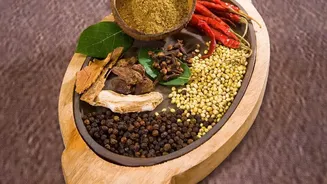
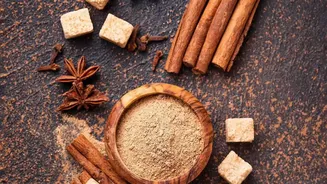
cinnamon, cloves, black peppercorns, cumin, and both green and black cardamom. The whole spices are often toasted to release their aromatic oils before being ground into a fine powder. Unlike many other masalas that are fried at the start of cooking, garam masala is often sprinkled in at the end to preserve its fragrant bouquet. It's the finishing touch that elevates everything from dal makhani to chicken curry.
2. Sambar Powder: The South Indian Staple
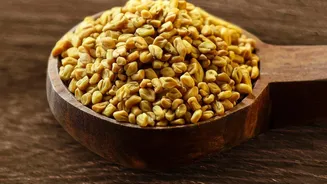
No South Indian kitchen is complete without a jar of sambar powder. This blend is the heart and soul of sambar, the ubiquitous lentil and vegetable stew. What makes it unique is the inclusion of roasted lentils, like chana dal and urad dal, alongside spices. The core ingredients are coriander seeds, cumin seeds, dried red chillies, fenugreek seeds, and black pepper, which are all roasted to perfection. The addition of lentils gives the final stew body and a subtle, nutty depth. Proportions can vary, with some regional versions being spicier and others having a stronger coriander base.
3. Panch Phoron: The Five-Spice Tempering Seed
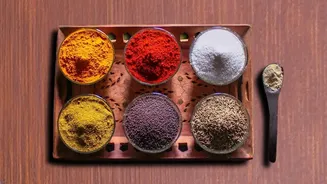
Hailing from Eastern India, particularly Bengal, Panch Phoron means 'five spices' or 'five tempers'. Unlike the other blends on this list, it's a mix of whole, unground seeds: fenugreek, nigella, cumin, black mustard, and fennel seeds, typically in equal parts. It is never ground into a powder. Its magic is released when the seeds are tempered (phodon) in hot oil or ghee at the beginning of the cooking process. As they sizzle and pop, they infuse the oil with a complex aroma that is nutty from cumin, slightly bitter from fenugreek, and sweet from fennel. It is the signature flavour in many Bengali dals, vegetable dishes, and pickles.
4. Chaat Masala: The Tangy Street Food Star
If you love the zesty, tangy, and slightly funky flavour of Indian street food, you have Chaat Masala to thank. This is a finishing spice, meant to be sprinkled on food right before serving. Its primary components are amchoor (dried mango powder) for sourness and kala namak (black salt) for a distinctive sulphurous, savoury kick. These are supported by cumin, coriander, ginger, and sometimes mint or pomegranate seeds. It’s the opposite of garam masala; where garam masala is warm and deep, chaat masala is sharp, salty, and sour. A sprinkle can transform a simple fruit salad, a bowl of chickpeas, or a plate of pakoras.
5. Tandoori Masala: The Smoky Marinade
Tandoori Masala is the key to achieving the iconic flavour and colour of tandoori dishes like paneer tikka and tandoori chicken. It's a robust blend designed for marinades, usually mixed with yoghurt. While ingredients vary, it typically features a strong base of coriander and cumin, along with garlic powder, ginger powder, cloves, and cinnamon. What often gives it a distinctive red colour is the use of Kashmiri red chillies or paprika. This masala imparts a smoky, tangy, and deeply aromatic flavour to grilled meats and vegetables, mimicking the taste of a traditional clay tandoor oven.
The Indispensable Role of Fresh Coriander
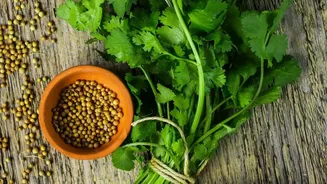
While spice blends form the foundation, fresh coriander leaves, often called dhaniya or cilantro, provide the finishing flourish. The leaves and the seeds come from the same plant, but they are not interchangeable. The seeds have a warm, nutty, citrusy flavour when ground, forming the base of many masalas. The fresh leaves, however, have a bright, citrusy, and pungent taste that provides a burst of freshness. Adding fresh coriander at the end of cooking preserves its delicate aroma and vibrant green colour, which would be lost with heat. It's used as a garnish on nearly everything—dals, curries, sabzis, and biryanis—to lift the final dish. It's also the primary ingredient in green chutneys, where its cooling properties balance out the heat of other spices.