






The Annual Urban Nightmare
For millions in India’s bustling cities, the arrival of heavy rains brings a sense of dread. Waterlogged streets, stalled traffic, flooded homes, and disrupted businesses have become an unwelcome annual ritual. This urban flooding isn't just an inconvenience;
it poses significant public health risks and leads to massive economic losses. Traditional drainage systems, often decades old and clogged with silt and waste, are overwhelmed by increasingly intense and unpredictable rainfall. Municipal teams have historically worked in a reactive mode, scrambling to clear blockages and pump out water only after the chaos has begun. This approach is inefficient, costly, and often too late to prevent widespread disruption.
How Smart Sensors Change the Game
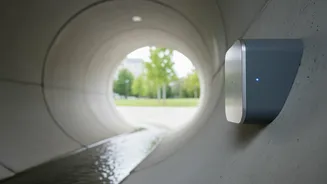
Imagine a nervous system for the city’s drains. That’s essentially what the Internet of Things (IoT) provides. Small, rugged sensors are installed inside manholes and stormwater drains at critical, flood-prone locations. These devices act as silent watchmen, performing a job that was previously impossible to do at scale. Their primary function is to monitor key parameters in real-time, most importantly the water level within the drain. Using ultrasonic technology, they constantly measure the distance from the sensor to the water's surface, giving a precise reading of how full the drain is. This simple piece of data is the first step in transforming flood management from a reactive guessing game into a proactive, data-driven science.
From Data to Real-Time Alerts
Collecting data is only half the battle. The real power of these IoT systems lies in their ability to communicate and trigger action. The sensors, often powered by long-lasting batteries or solar panels, transmit their data wirelessly to a central command centre. Here, a software platform visualises the information on a digital map of the city. When water levels in a specific drain cross a predefined threshold, the system automatically sends an alert to municipal authorities. Some advanced systems also use AI to analyse data from multiple sensors, weather forecasts, and historical patterns to predict where and when flooding is likely to occur, often hours in advance.
Proactive Action Before Disaster Strikes
This early warning is the crucial difference-maker. Instead of waiting for panicked calls from citizens stranded in floodwaters, municipal teams receive a precise, location-specific alert on their devices. The notification might read: “Manhole at Intersection X is 85% full and rising fast.” Armed with this information, a maintenance crew can be dispatched directly to the problem spot to inspect and clear the blockage—be it plastic waste, silt, or other debris—before the drain overflows and floods the surrounding area. This targeted, preemptive approach allows cities to manage their resources far more effectively, addressing potential disasters before they happen and keeping traffic and daily life moving smoothly.
Putting the Technology to the Test
This is not science fiction; it’s already happening. Cities across India are piloting and deploying these smart drainage systems. In Gurugram, the municipal corporation has partnered with an IIT Gandhinagar-incubated startup to install a network of flood-depth and sewer-monitoring sensors in historically vulnerable areas. The goal is to create an early warning mechanism that allows field teams to tackle rising water levels before they spill onto the streets. The data collected doesn't just help during emergencies; it also provides valuable insights for long-term urban planning, helping engineers identify recurring problem areas and design more resilient infrastructure for the future.