



More Than Just Metal
Before you begin, it’s worth appreciating what you have. Traditional Indian brassware, from the humble *lota* (water pot) to the wide-mouthed *urli* or the cooking *handi*, is steeped in history. These objects were central to daily rituals, cooking, and ceremonies
for centuries. Each dent, patina, and engraving tells a story of a life lived. Unlike mass-produced decor, an antique brass pot brings a unique soul and character into your space. By giving it a new purpose, you are not just decorating; you are becoming a custodian of a small piece of cultural history. Recognising its origins—whether as a vessel for carrying water from the village well or for cooking a festive meal—adds a layer of meaning to its new life on your bookshelf or corner table.
Finding Your Perfect Pot
The best place to start your search is often within your own family. Ask parents or grandparents about any old metalware they might have stored away. These come with priceless personal stories. Beyond that, your local *kabadiwala*, flea markets, and antique shops in older parts of the city are treasure troves. Look for pieces with a good weight and interesting shapes. Don’t be deterred by a dark, tarnished appearance; that’s often a sign of true age and can be cleaned to your desired level of shine. Inspect for major cracks or holes, especially if you plan to use it for plants, but remember that minor imperfections are what give these pots their charm and authenticity.
Cleaning and Care
The golden rule of cleaning antique brass is to be gentle. Your goal is to reveal its beauty, not strip away its history. Aggressive chemical polishes can remove the rich patina that has developed over decades. Start with the mildest method: a simple wash with gentle soap and warm water. For tougher grime, a paste of tamarind (*imli*) pulp and salt is a traditional and highly effective method. Apply the paste, let it sit for ten minutes, and then gently scrub with a soft cloth or the tamarind husk itself. Another option is a paste of lemon juice and baking soda. Always test on a small, inconspicuous area first. Rinse thoroughly and dry immediately with a soft cloth to prevent water spots. The aim is a warm, mellow glow, not a factory-new shine.
The Classic Planter
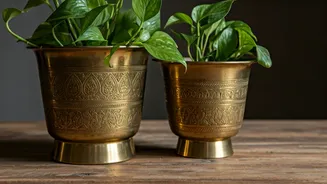
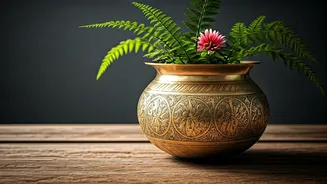
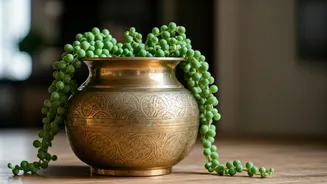
The most intuitive new use for an old pot is as a planter. The warm glow of brass provides a stunning contrast to the lush green of foliage plants like money plants, snake plants, or philodendrons. However, you should never plant directly into the brass pot. Moisture and soil can cause corrosion and damage both the pot and the plant's roots. Instead, keep the plant in its original plastic nursery pot. Simply place this pot inside the brass vessel. If the nursery pot is too small, you can prop it up on some stones or a smaller inverted pot placed inside the brass holder. This 'pot-in-a-pot' method protects your antique, makes watering easier, and allows you to swap out plants with the seasons.
Creative Holder Ideas
Don’t limit yourself to just plants. These versatile vessels can serve countless functions around the house. A medium-sized *handi* can become a chic holder for kitchen utensils on your counter. A larger pot placed near your sofa can elegantly store rolled-up magazines, newspapers, or even a light throw blanket. In the entryway, a beautiful brass pot serves as a perfect catch-all for keys, mail, and other small items. A shallow *urli*, traditionally used for floating flowers and candles, can be a stunning centrepiece on a coffee table or dining table, either used in the traditional way or as a dry holder for decorative spheres, pinecones, or other curiosities. Let the pot’s shape and size guide its new function.