




Beyond the Cutting Chai
For generations, India's relationship with tea has been defined by the robust, milky, and spiced masala chai. It’s the nation's undisputed comfort drink. However, a new wave of tea culture is brewing in metropolitan cafes, championed by a generation that
seeks nuanced flavours and wellness-oriented options. This movement is finding its perfect expression in the form of cold brew teas, which are now evolving further by incorporating a uniquely Indian twist: botanical infusions. Instead of just serving a chilled version of hot tea, cafes are using a slow, deliberate method that completely transforms the leaf's character, offering a smoother, more aromatic experience.
The Orthodox Advantage
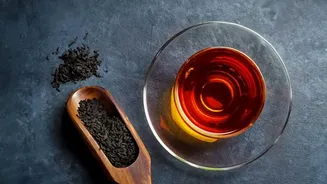
The secret to this new wave of cold brews lies in the choice of tea. Many of these modern brews are made using orthodox teas, which are processed using traditional methods that keep the tea leaves whole or only partially broken. This is a world away from the common CTC (Crush, Tear, Curl) teas used for masala chai, which are processed into small, hard pellets designed for quick, strong infusions with milk and sugar. Orthodox teas, like those from Darjeeling or Assam, have delicate, complex, and layered flavour profiles that are often lost when brewed with boiling water. Cold brewing preserves these subtleties, allowing the authentic character of the tea—be it floral, fruity, or malty—to shine through.
The Gentle Art of Cold Brewing
Unlike iced tea, which is typically brewed hot and then cooled down over ice, cold brew is a much slower, gentler process. Tea leaves are steeped in cold or room-temperature water for anywhere from 6 to 12 hours. This patient infusion extracts flavours differently. Crucially, it draws out fewer tannins, the compounds that can give hot-brewed tea its bitterness or astringency. The result is a remarkably smooth, naturally sweeter, and more aromatic beverage that feels incredibly refreshing. This method not only creates a superior taste but also helps to preserve more of the tea's natural antioxidants.
A Renaissance of Indian Botanicals
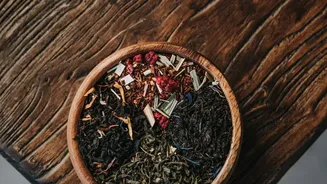
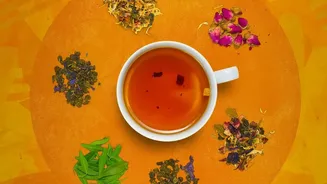
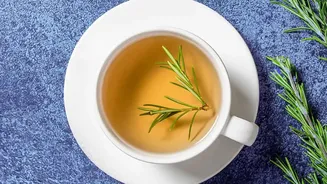
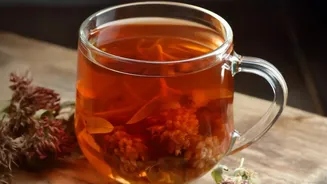
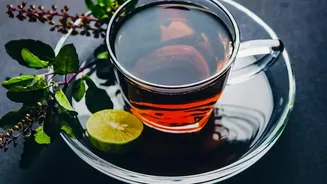
What makes this trend distinctly Indian is the infusion of local herbs and flowers, many of which have deep roots in Ayurveda and home remedies. Cafes are moving beyond simple lemon and mint to embrace a vibrant palette of botanicals. Imagine a cold brew infused with the earthy, peppery notes of Tulsi (Holy Basil), the floral fragrance of rose petals, or the cooling zest of lemongrass. Other popular additions include hibiscus, ginger, and even spices like cardamom and cinnamon, traditionally found in masala chai but used here with a much lighter touch. This practice taps into a growing desire for natural wellness, transforming a simple refreshment into a holistic, health-conscious drink.
A Symphony of Flavour and Wellness
The pairing of orthodox teas with these botanicals creates a beverage that is both complex and incredibly satisfying. The delicate notes of a Darjeeling first flush might be enhanced with a whisper of hibiscus, while a bolder Assam cold brew could be balanced with the invigorating kick of ginger and lemon. These drinks are naturally low in caffeine and calories, making them a guilt-free indulgence. Beyond simple hydration, they offer the combined wellness benefits of both the tea and the infused herbs, from the stress-relieving properties of Tulsi to the digestive aid of ginger and mint. This makes them the perfect antidote to a hot, draining day, offering refreshment that revitalizes both body and mind.