

Why Gut Health Is Key to Immunity
For years, gut health was mostly discussed in the context of digestion. But science now shows that our gut is a bustling hub that plays a critical role in our overall immunity. A significant portion of our immune system is located in the gut, where trillions
of microorganisms, collectively known as the gut microbiome, reside. These tiny residents help train our immune cells, fight off harmful pathogens, and maintain a balanced internal environment. When this microbiome is well-nourished and diverse, it forms a strong barrier, helping to regulate our body's immune responses. A healthy gut isn't just about avoiding bloating; it's about building a resilient defense system from the inside out. The food we eat is the primary fuel for this ecosystem, making dietary choices a powerful tool for supporting our health.
Cucumber: The Hydrating Hero
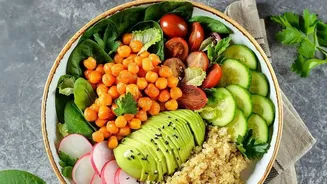
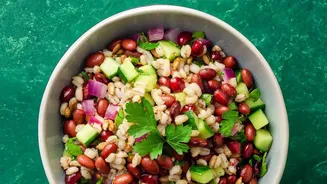
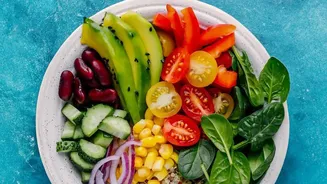
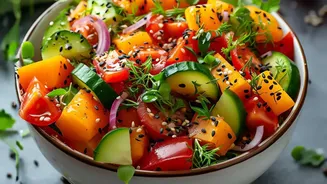
Often dismissed for its high water content, the humble cucumber is a surprisingly valuable player in gut health. Its most obvious benefit is hydration, which is essential for maintaining a healthy digestive flow and preventing issues like constipation. But beyond its water content, cucumbers provide both soluble and insoluble fibre, particularly when you eat the skin. This fibre helps add bulk to stool, promoting regularity. The skin and seeds also contain various antioxidants and nutrients, including Vitamin K and Vitamin C, which help combat inflammation and support overall immune function. Think of cucumber as the cooling, hydrating base of this bowl, creating a soothing environment for your digestive system to thrive.
Beetroot: The Prebiotic Powerhouse
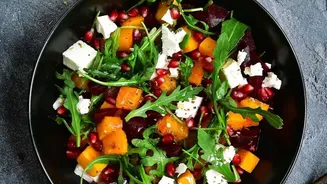
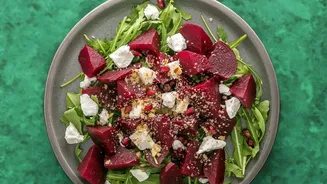
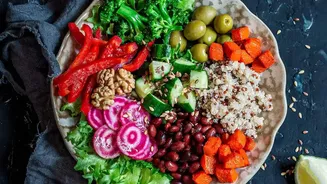
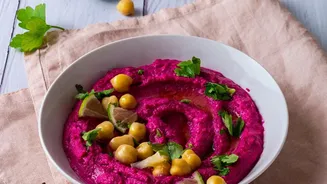
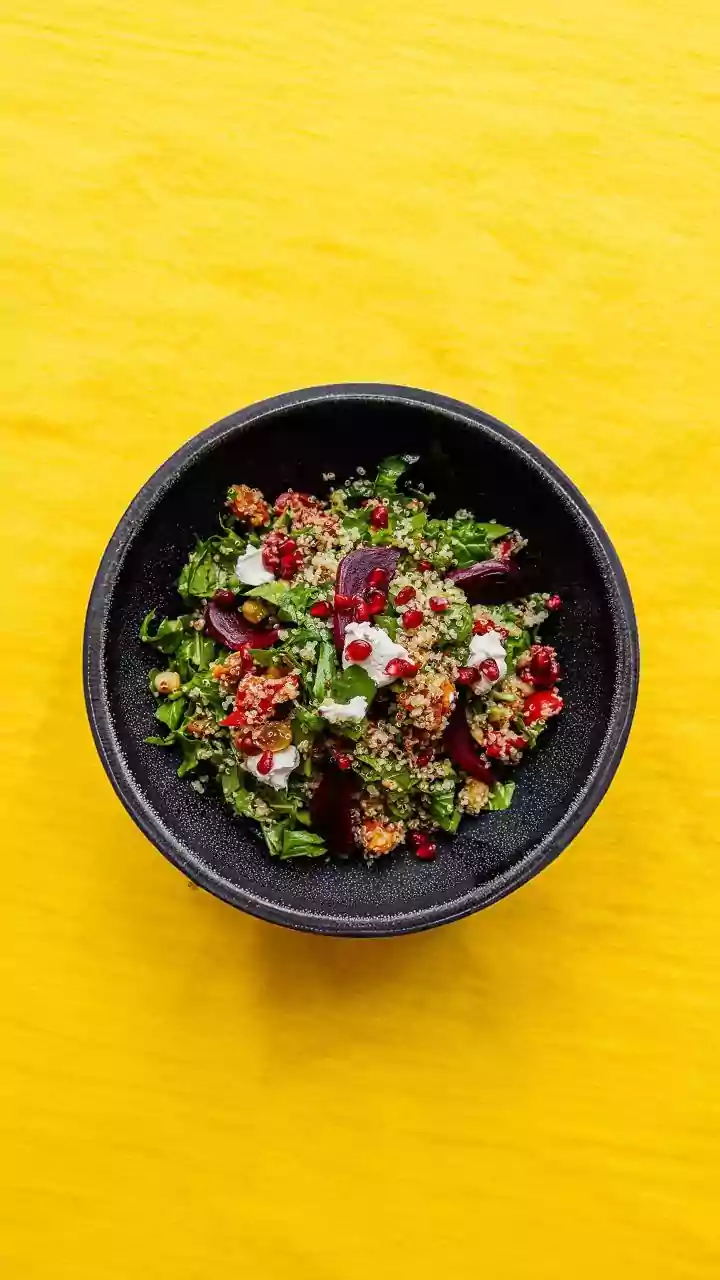
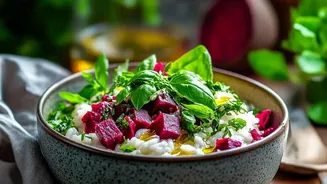
With its vibrant colour and earthy flavour, beetroot is a nutritional powerhouse. It is particularly beneficial for the gut microbiome because it contains dietary fibre that acts as a prebiotic. Prebiotics are essentially food for the beneficial bacteria in your gut, such as Bifidobacteria and Lactobacilli. By nourishing these friendly microbes, beetroot helps them flourish, which in turn supports a healthy digestive system and a robust immune response. Furthermore, beets are rich in antioxidants called betalains, which give them their deep red hue. These compounds have anti-inflammatory properties that can help protect the cells lining the gut. Beetroot also contains natural nitrates, which the body converts to nitric oxide, a compound that can improve blood flow and overall cardiovascular health.
Roasted Chana: The Fibre and Protein Punch
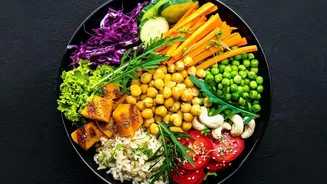
Roasted chana, or roasted chickpeas, are more than just a crunchy, satisfying snack; they are a fantastic source of plant-based protein and, crucially, gut-friendly fibre. The fibre in chickpeas is particularly special because it includes raffinose, a type of prebiotic that directly feeds beneficial gut bacteria. As these bacteria ferment this fibre, they produce short-chain fatty acids (SCFAs) like butyrate. Butyrate is a vital energy source for the cells lining your colon, helping to strengthen the gut barrier and reduce inflammation. This process is fundamental to maintaining gut integrity and supporting immune regulation. The high fibre and protein content in roasted chana also promotes a feeling of fullness, which can help with weight management and prevent overeating.
Putting It All Together: A Symphony for Your Gut
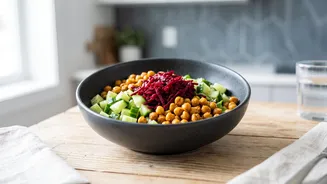
While each of these ingredients is beneficial on its own, their combination in a single bowl creates a synergistic effect. The cucumber provides essential hydration to keep things moving smoothly. The beetroot delivers prebiotic fibre to nourish good bacteria and antioxidants to calm inflammation. The roasted chana adds another layer of prebiotic fibre, fuelling the production of beneficial SCFAs, along with plant-based protein to keep you satisfied. This trio works together to create an ideal environment for a healthy gut microbiome. The variety of fibres ensures that different types of beneficial bacteria are nourished, promoting a diverse and resilient gut ecosystem. You can enhance this bowl even further by adding a simple dressing of lemon juice and olive oil or a spoonful of yogurt for a probiotic boost, creating a complete, gut-supportive meal.