


A Tradition Gets a Modern Twist
The Delhi International Mango Festival, an annual affair typically organised by Delhi Tourism, is not a new concept. For over three decades, it has been a beloved fixture in the city's cultural calendar, celebrating India's national fruit in all its glory.
For years, it was a straightforward, family-friendly event focused on showcasing the sheer diversity of mangoes from across the country. But in recent years, something has shifted. The festival has evolved from a simple fruit exhibition into a full-blown cultural phenomenon, and a new generation is taking notice. It's no longer just about tasting a slice of Chausa or Langra; it’s about experiencing the mango in ways that are vibrant, interactive, and perfectly suited for a social media feed.
The Instagram-Ready Experience
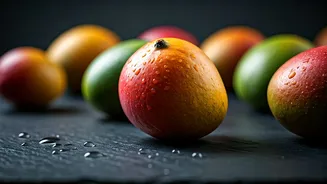
So, what makes it a 'Gen Z magnet'? The answer lies in the visuals and the vibes. Organisers and vendors have clearly understood that for a younger audience, the experience is as important as the taste. The festival grounds are often a riot of colour, with quirky mango-themed installations, vibrant photo booths, and beautifully presented dishes that practically beg to be photographed. Think mango kulfi served in an aesthetic pot, mango-infused chaat with a colourful garnish, or towering glasses of mango shakes topped with cream. It's a sensory overload designed for sharing. The hashtag #MangoFestival floods Instagram and X (formerly Twitter) with pictures of attendees posing with giant mango cutouts or capturing the perfect 'food flatlay.' This online buzz, driven by visitors themselves, has become the festival's most powerful marketing tool, creating a sense of FOMO (fear of missing out) that draws in even more young food-lovers.
From Rare Varieties to Culinary Fusion
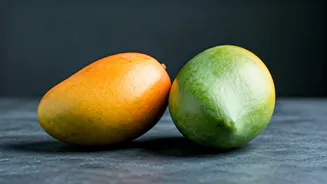
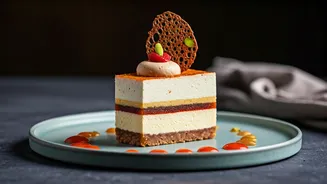
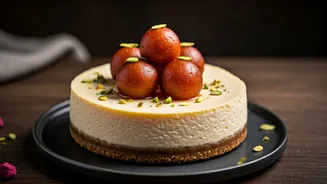
Beyond the aesthetics, the festival remains a true paradise for any serious foodie. It's one of the few places where you can find hundreds of varieties of mangoes under one roof. While staples like Alphonso, Dussehri, and Totapuri are always present, the real draw is the chance to discover rare and regional gems you won't find in your local market. We're talking about varieties like Vanraj from Gujarat, Malda from West Bengal, or the curiously named Gulaab Khaas. The festival serves as an educational experience, allowing visitors to taste, compare, and buy directly from farmers. But the innovation doesn't stop there. Food stalls push the boundaries of culinary creativity with a stunning array of mango-based fusion dishes. From savoury items like mango curry and mango-infused biryani to desserts like mango cheesecakes and mango sushi, the festival is a testament to the fruit's incredible versatility.
More Than Just a Food Coma
While the fruit is the star, the festival is a multi-faceted event. It’s a place to spend an entire afternoon, not just grab a quick bite. Live music and cultural performances often fill the air, providing a festive soundtrack to the mango madness. For those who like a bit of competition, the famous mango-eating contests are a hilarious and messy spectacle, drawing huge crowds and enthusiastic participants. There are also often cooking demonstrations and workshops led by chefs, teaching visitors how to incorporate mangoes into their own kitchen creations. This blend of food, entertainment, and interactive activities ensures there’s something to hold everyone’s attention, turning a simple food festival into a memorable day out.