


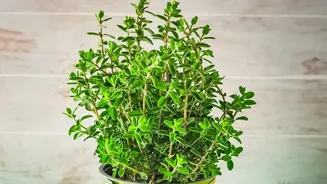

The Magic of a Windowsill Herb Garden
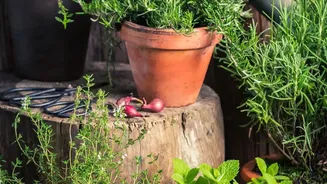
Imagine plucking a few fresh leaves to stir into a simmering dal or to garnish a hot bowl of soup. A windowsill herb garden is the perfect solution for urban homes, bringing the joy of gardening indoors without needing a large space. During the grey,
chilly months of winter, a touch of living green not only beautifies your kitchen but also provides a constant supply of fresh, aromatic ingredients that are often expensive or of lower quality in stores. Beyond flavour, the simple act of nurturing plants can be a therapeutic way to combat the winter blues, improving your mood and even the air quality in your home. Having this fresh bounty at your fingertips means you have complete control over what goes into your food, ensuring your herbs are pure and free from pesticides.
Tulsi: The Queen of Winter Wellness
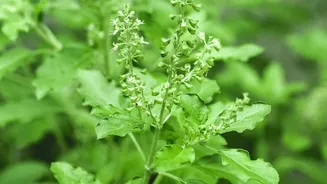
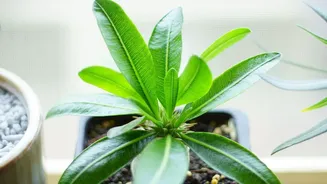
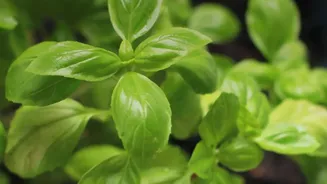
Revered in Ayurveda as the 'Queen of Herbs', Tulsi (or Holy Basil) is more than just a flavouring agent; it's a wellness powerhouse. Growing Tulsi on a sunny windowsill is surprisingly easy, and its benefits are particularly valuable in winter. It's known for its immune-boosting properties, helping the body manage stress and defend against common winter ailments like coughs and colds. The simplest way to use it is by brewing a warm, soothing Tulsi tea, perhaps with a slice of ginger and a dash of honey. This simple 'kadha' can help clear congestion and soothe a sore throat. Fresh leaves can also be added to soups and broths in the final moments of cooking to impart a warming, peppery flavour that supports respiratory health.
Mint: A Burst of Fresh Energy
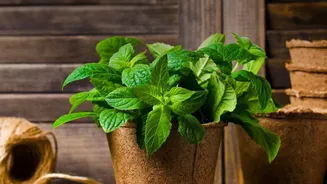
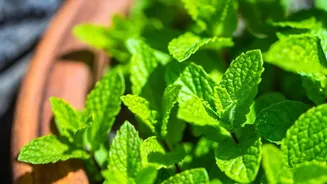
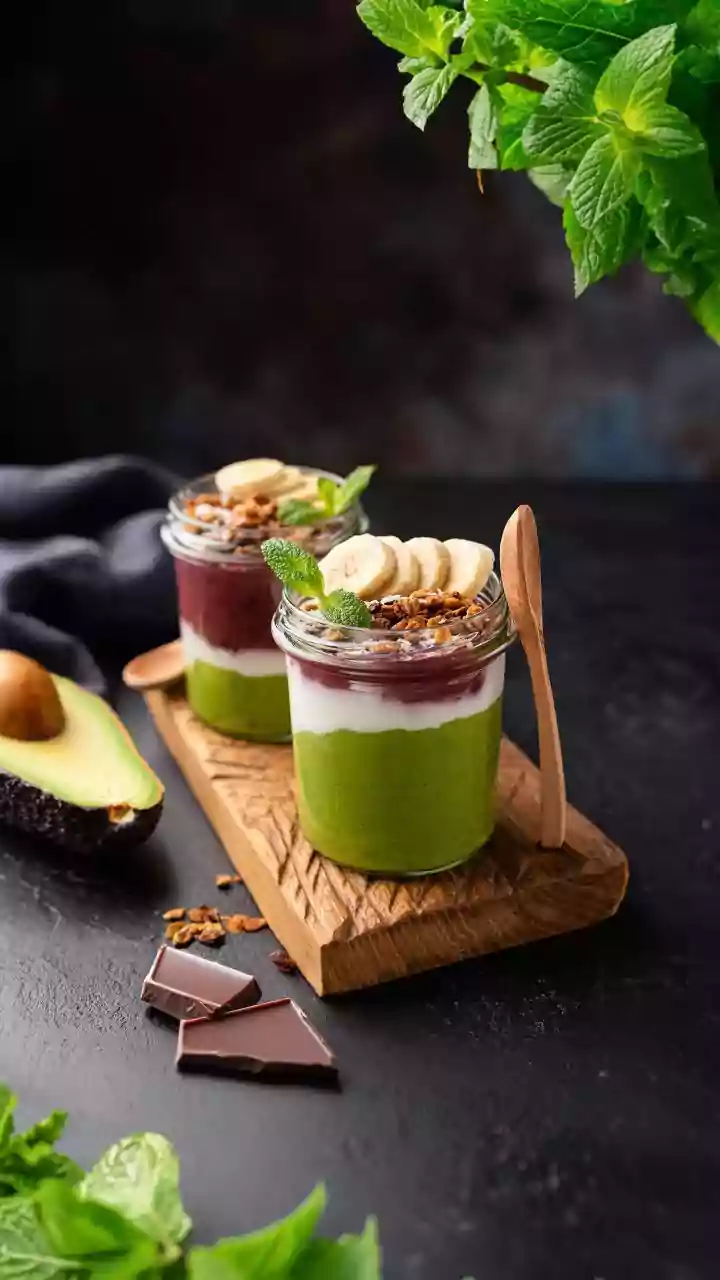
Pudina, or mint, is one of the most rewarding herbs to grow indoors because it’s incredibly resilient. Its refreshing, cool flavour provides a brilliant contrast to the rich, heavy meals we often enjoy in winter. While we associate mint with cooling summer drinks, its digestive properties are useful year-round, especially after a hearty meal. A freshly made pudina chutney is the perfect accompaniment to hot parathas or samosas. You can also stir chopped mint into raita to serve alongside a spicy biryani or pulao, or make a fragrant Mint Pulao as a one-pot meal. For a simple, invigorating drink, just add a few leaves to your regular cup of tea or a glass of warm water to aid digestion and lift your spirits.
Coriander: The Essential Finishing Touch
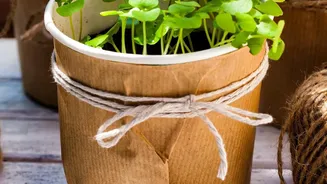
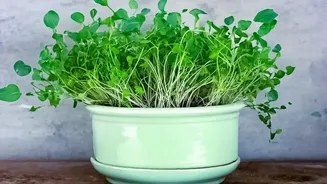
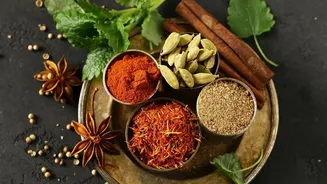
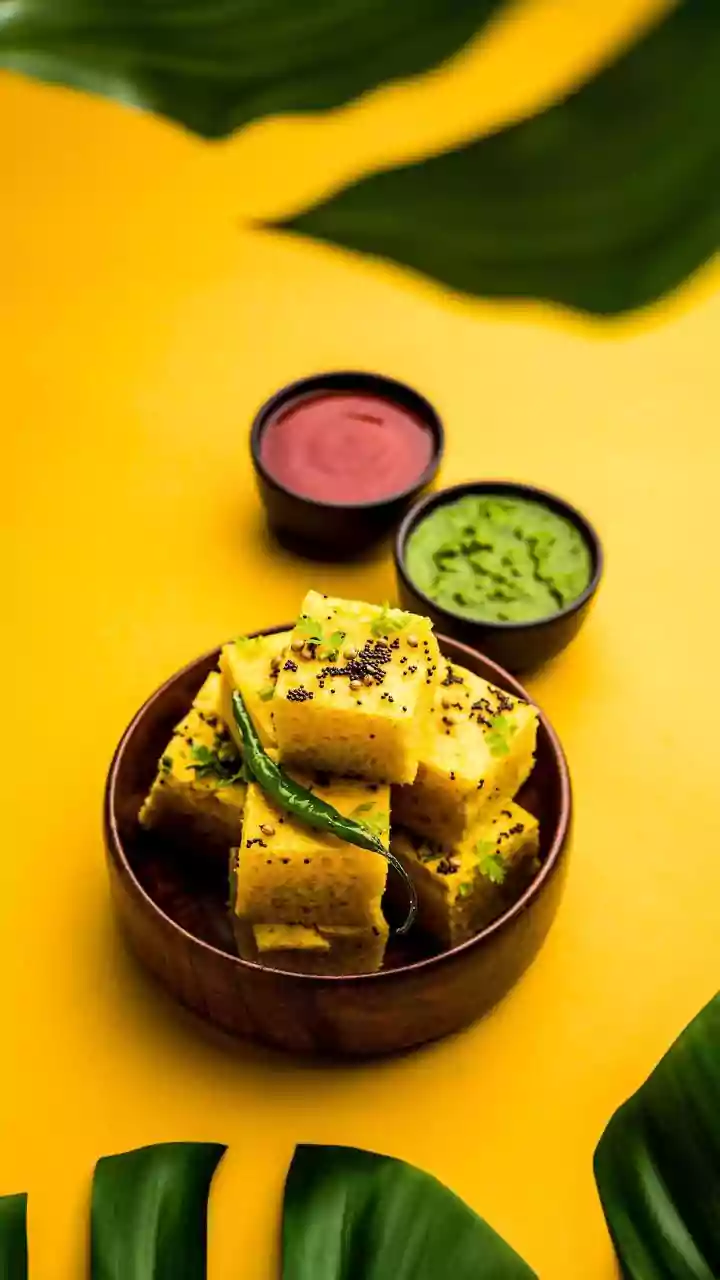
No Indian kitchen is complete without Dhania, or coriander. While dried coriander seeds are a staple in spice boxes, the fresh leaves and stems offer a bright, citrusy perfume that can elevate any dish. Having a pot on your windowsill means you’ll never have to face the disappointment of finding a wilted bunch in your fridge. Fresh coriander is best used as a finishing herb. A generous sprinkle of chopped leaves over a finished dal, sabzi, or curry adds a final layer of freshness and aroma that cooking would otherwise diminish. The stems, which are packed with even more flavour, can be finely chopped and added to curry pastes or the base of a soup. Try making a vibrant coriander chutney or simply stir it through warm rice for an instant flavour upgrade.
Your Simple Windowsill Starter Kit
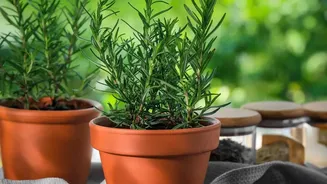
Getting started is easier than you think. All you need are a few basic supplies. Choose pots that are at least 6-8 inches deep and have drainage holes to prevent root rot. A south or west-facing windowsill that gets 4-6 hours of sunlight is ideal, though Tulsi can be sensitive to harsh afternoon sun. Use a good quality, well-draining potting mix, perhaps enriched with some compost. Water your herbs when the top inch of soil feels dry. Mint prefers consistently moist soil, while Tulsi and coriander are also happy with regular watering. You can grow coriander and mint from cuttings from a fresh bunch, or all three from seeds. Within a few weeks, you'll have your own supply of kitchen-ready herbs.