







What Are AI Agents?
Think of AI agents as more than just chatbots. They are sophisticated systems designed to understand a goal, make a plan, and take action. In the world of Uber, DoorDash, and Airbnb, these agents are the invisible engines making millions of decisions
every minute. They are not just answering questions; they are dispatching drivers, predicting delivery times, and personalizing your search for a vacation rental. This technology goes beyond simple automation, using complex algorithms and machine learning to manage real-world logistics in real time.
Uber: The AI-Powered Matchmaker
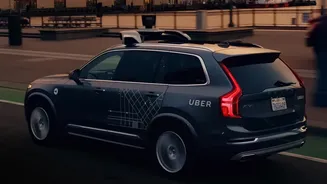
At Uber, AI is the core of its ride-matching system. When you request a ride, it’s not just about finding the closest driver. AI agents analyze traffic, demand, driver availability, and your destination to find the optimal match. This system, often called 'batched matching', groups requests to reduce overall wait times for everyone in a specific area. AI also powers Uber's controversial but essential surge pricing, a dynamic model that balances supply and demand by using price to incentivize drivers to move to high-demand areas. More recently, Uber has begun deploying internal AI agents to help its own engineers write and fix code, automating repetitive tasks and freeing up human developers to focus on more creative work.
DoorDash: Mastering On-Demand Logistics
For DoorDash, the challenge is a three-sided marketplace: balancing the needs of restaurants, 'Dashers' (delivery drivers), and customers. Their dispatch system, known as 'DeepRed', uses machine learning to solve this complex puzzle. AI predicts when food will be ready, estimates traffic-congested travel times, and decides the most efficient way to batch orders, ensuring that a single Dasher can handle multiple deliveries from nearby restaurants. This optimization aims to reduce delivery times, which keeps customers happy, and maximize earnings for Dashers by minimizing their downtime. The company is also rolling out AI tools like 'DashBuddy' to help new drivers get started and answer their questions without needing to call support.
Airbnb: Personalization at Scale
Airbnb uses AI agents to tackle a different kind of challenge: hyper-personalization. When you search for a place to stay, AI algorithms analyze your past searches, clicks, and even host preferences to rank the listings you are most likely to book. This goes far beyond simple date and price filters. For hosts, AI provides 'Smart Pricing' tools that suggest optimal nightly rates based on seasonality, local events, and demand, helping them maximize revenue. The platform is also increasingly using AI to power guest and host communication, with AI assistants that can answer common questions about a property, freeing up hosts from repetitive messaging.
The Human in the Loop
While these companies rely heavily on internal AI to manage their operations, the adoption of external, consumer-facing AI agents to place orders is still in its infancy. During a recent busy week, Uber reported that out of 320 million transactions, only four rides and about 500 Uber Eats orders were booked by third-party AI agents. DoorDash and Airbnb reported similarly low numbers. Executives suggest this is because their apps are already highly optimized and fast; booking a ride on Uber, for instance, takes about 50 seconds on average. While these platforms are negotiating with AI companies, they are also proceeding cautiously, wanting to maintain their direct relationship with customers rather than becoming dependent on a new wave of AI intermediaries.