





The Modern Weight-Loss Boom
In recent years, a new class of medications known as GLP-1 receptor agonists, including drugs like liraglutide, semaglutide, and tirzepatide, has revolutionised obesity treatment. These drugs, often administered via injection, have proven highly effective
at promoting significant weight loss by mimicking gut hormones to suppress appetite and improve metabolic control. Their popularity has surged, offering a powerful tool for individuals who have struggled to lose weight through traditional diet and exercise alone. Simultaneously, the advice to engage in regular physical activity remains a cornerstone of public health guidance for preventing cardiovascular disease and managing weight. For years, these two approaches have been seen as key strategies in the fight against obesity and its related health problems.
A Tale of Two Pathways
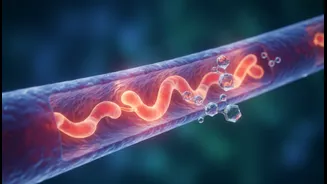
A recent landmark study from the University of Copenhagen has shed new light on the distinct effects of these two approaches. Researchers took a group of adults with severe obesity who had already lost an average of 13kg through a low-calorie diet. They then divided them into four groups for a year-long maintenance period: exercise only, medication (liraglutide) only, a combination of both, and a placebo. The results were striking. While the medication was effective at helping people keep the weight off, only the groups that exercised showed significant improvements in vascular health. Specifically, those who exercised saw a 6-7% reduction in the thickness of their carotid artery wall, a key indicator of risk for atherosclerosis, blood clots, and stroke. They also had lower levels of chronic inflammation, another major driver of heart disease. The medication-only group saw no such improvements.
More Than Just Kilograms
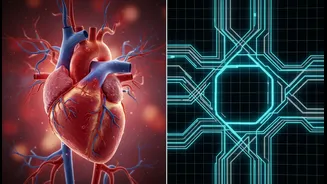
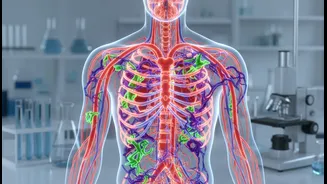
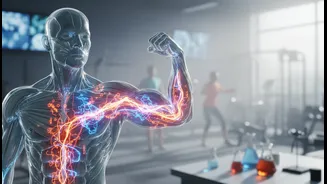
So, if the amount of weight maintained was similar, why the dramatic difference in heart health outcomes? The answer lies in what happens inside the body. Exercise does far more than just burn calories. It directly challenges the cardiovascular system, making it stronger and more efficient. Physical activity improves how blood vessels function, reduces inflammation, and boosts cardiorespiratory fitness—a powerful predictor of long-term health, independent of weight. In contrast, while weight-loss drugs are excellent at reducing caloric intake, the weight lost can be a mix of fat and muscle. Preserving muscle mass is crucial for metabolic health, and this is where exercise, particularly resistance training, plays a vital role that medication cannot replicate. The study suggests that the vascular improvements are more sensitive to the anti-inflammatory and circulatory effects of physical activity than to the metabolic changes from medication alone.
The Best of Both Worlds
This research does not suggest that people should abandon weight-loss medications. In fact, the group that combined medication with exercise saw the best results in some measures, including further weight loss and improvements in several markers of vascular function. This highlights that these two strategies are not substitutes for one another, but can be powerful complements. Experts involved in the research stress this point. As Professor Signe Torekov from the University of Copenhagen stated, "The study shows that while medication supports weight maintenance, it is exercise—with or without medication—that improves vascular health". The takeaway is that while drugs can provide a much-needed boost for weight loss and maintenance, they cannot replace the unique, whole-body benefits conferred by physical activity.