





From Minibus to Matchbox
When you picture a satellite, you probably imagine something the size of a small car, bristling with antennas and solar panels. For decades, that was accurate. But the new wave of space technology comes in a much smaller package. We're talking about 'smallsats,'
a category that includes everything from 500 kg devices down to 'nanosatellites' and 'CubeSats'. A standard CubeSat is a tiny 10x10x10 cm cube weighing just over a kilogram. These modular marvels can be stacked together, like building blocks, to create larger satellites (a '6U' CubeSat is about the size of a shoebox) tailored for specific missions. This standardised, modular design is a core reason for their explosive growth, transforming them from educational tools into sophisticated platforms for science and commerce.
The Small Revolution
So, why the sudden boom? Three key factors are driving this trend. First is the miniaturisation of electronics, often called the 'smartphone effect'. The same technological leaps that put a powerful computer in your pocket now allow incredible processing power, sensors, and cameras to be packed into a tiny satellite. Second, the standardised CubeSat format has created an 'off-the-shelf' ecosystem. Startups and universities no longer need to invent every component from scratch; they can buy flight-ready systems and focus on their specific payload. Third, and perhaps most importantly, is the falling cost of getting to space. The rise of rocket 'ridesharing' programs, popularised by companies like SpaceX, allows dozens or even hundreds of small satellites to be launched on a single rocket, dramatically reducing the price of entry. The global small satellite market, valued at USD 7.05 billion in 2025, is projected to reach over USD 32 billion by 2035.
Big Jobs for Tiny Tech
Despite their size, these satellites are tackling major challenges. Large constellations are being deployed for everything from providing global broadband internet to monitoring climate change with unprecedented detail. Companies use them for Earth observation, providing data to industries like agriculture and forestry. They are also crucial for scientific research, telecommunications, and national security. What started as simple technology demonstrators are now capable of complex missions, with some even venturing beyond Earth's orbit to Mars, proving that smallsats can play a significant role in deep-space exploration.
India’s Piece of the Orbital Pie
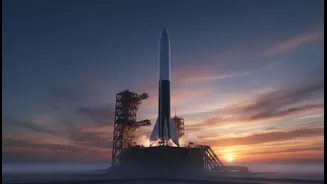
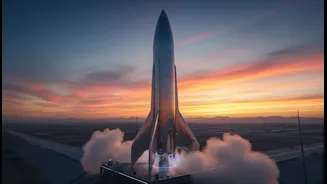
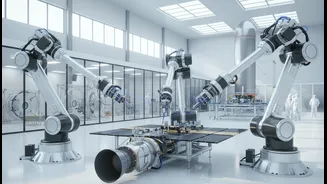
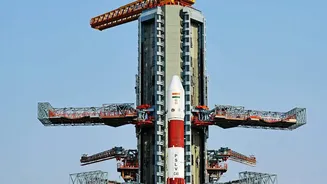
This trend is a massive opportunity for India. The Indian government liberalised the space sector in 2020, sparking a surge in private innovation. Today, India is home to over 400 space startups. Companies like Bengaluru-based Pixxel are building constellations of hyperspectral imaging satellites, while Hyderabad's Dhruva Space offers full-stack services from satellite manufacturing to launch deployment. Crucially, Indian firms are also building the rockets to launch them. Skyroot Aerospace, founded by former ISRO scientists, made history on July 18, 2026, with the successful launch of its Vikram-1 rocket, making India only the third country with a private orbital launch capability. This synergy between satellite and launch startups, supported by ISRO's expertise and facilities like its Small Satellite Launch Vehicle (SSLV), is creating a vibrant, self-sustaining domestic space ecosystem.
A Crowded Sky
However, the boom in tiny satellites is not without its challenges. The proliferation of thousands of new objects in low-Earth orbit raises serious concerns about space debris. A collision at orbital speeds can be catastrophic, creating a cloud of fragments that endangers other satellites. This has been described as a potential 'tragedy of the commons,' where the rush to occupy orbital slots could make them unusable for future generations. There are also growing concerns about the impact on astronomy, as the streaks from satellite constellations interfere with ground-based telescopes. As the sky gets more crowded, the need for robust international regulations, space traffic management, and debris mitigation strategies is becoming increasingly urgent.