




A Symphony of Silent Light
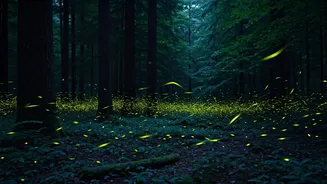
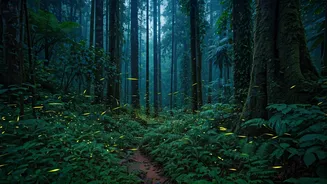
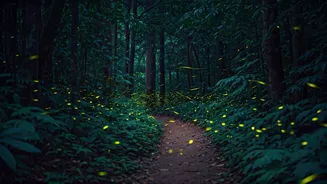
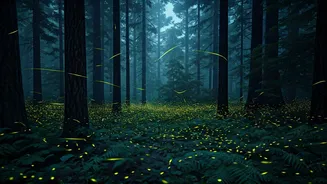
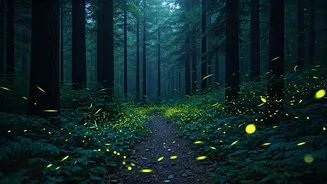
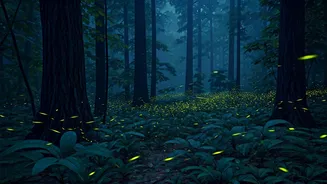
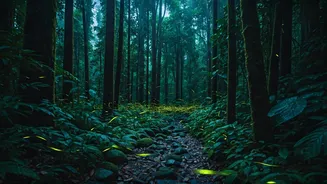
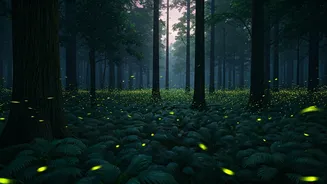
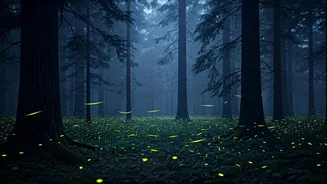
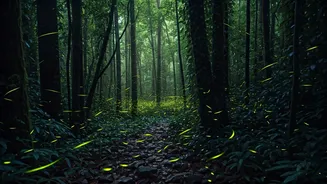
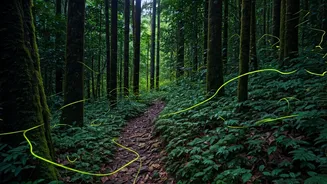
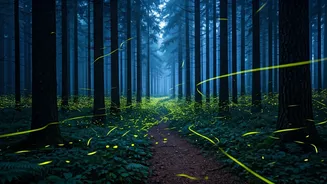
Imagine standing in complete darkness, the air thick with the smell of damp earth and blooming flowers. Then, one tiny light winks on, followed by another, and another, until the entire forest is pulsating with a silent, rhythmic glow. This is not a scene
from a fantasy film; it is the annual firefly mating ritual, a natural spectacle that unfolds in select pockets of India just before the monsoon truly sets in. Unlike the scattered blinking of fireflies you might see in a city park, this is a display of synchronous bioluminescence. Thousands, sometimes millions, of male fireflies flash their lights in perfect harmony to attract mates. The coordinated patterns create waves of light that ripple through the trees, turning an ordinary night walk into a profoundly moving experience. It’s a silent, mesmerizing performance that feels both ancient and ephemeral.
The Science Behind the Sparkle
The magic of fireflies is pure chemistry. These insects produce “cold light” through a chemical reaction inside their bodies. A compound called luciferin reacts with oxygen, catalyzed by an enzyme named luciferase, to produce light with very little heat loss. For the fireflies, this glow is a language of love. Each species has a unique flash pattern—a specific sequence and duration of light pulses—that acts as a call sign. The synchronised flashing seen in places like Maharashtra is a phenomenon that still fascinates scientists. The leading theory is that by flashing together, the males increase their collective visibility, making it easier for females to spot them and respond. It’s a cooperative strategy that turns a million individual signals into one unmissable beacon of light, a testament to nature's incredible efficiency and beauty.
When and Where to Go
The peak firefly season is a brief, precious window, typically from mid-May to mid-June, just as the pre-monsoon showers begin. The humidity and darkness create the perfect conditions for the display. The epicentre of this phenomenon in India is the Sahyadri mountain range in Maharashtra. Several villages and forest areas here have become famous for their firefly festivals. Key destinations include: - **Purushwadi:** A small tribal village that has embraced eco-tourism, offering organised firefly festival experiences. - **Bhandardara:** Known for its stunning dam and waterfalls, the surrounding forests offer spectacular firefly sightings. - **Rajmachi Fort:** The trek to this historic fort becomes even more rewarding during this season, with the path lit by countless fireflies. - **Lonavala and Khandala:** Some of the quieter trails and forests around these popular hill stations also host the glowing insects. Booking a trip with a local guide or a responsible tour operator is highly recommended, as they know the best viewing spots and times.
A Fragile, Fleeting Wonder
This magical experience is also incredibly fragile. Firefly populations around the world are in decline, and India is no exception. The primary threats are habitat loss, the use of chemical pesticides in agriculture, and, most critically, light pollution. Artificial light from cities, highways, and even tourists’ mobile phones and flashlights can disrupt their mating signals, confusing the insects and preventing them from reproducing. Unregulated tourism can also damage their delicate habitat. The very act of witnessing this spectacle, if not done with care, can contribute to its disappearance. This makes it crucial for anyone seeking this experience to understand their role in preserving it. The fireflies are not just a tourist attraction; they are a vital indicator species, and their health reflects the health of the entire ecosystem.
How to Be a Responsible Observer
To ensure these trails remain magical for years to come, follow these simple rules of etiquette: 1. **Ditch the Lights:** Keep torches and mobile phone screens off. Your eyes will adjust to the darkness in about 10-15 minutes, allowing you to see the fireflies clearly without disturbing them. 2. **Walk Softly and Quietly:** Stick to the designated trails to avoid trampling on fireflies or their larvae on the ground. Keep your voice low. 3. **No Touching, No Catching:** Never try to catch fireflies. It stresses them and can cause injury, disrupting the mating cycle. 4. **Avoid Repellents and Perfumes:** Strong chemical smells can interfere with firefly communication. 5. **Choose Eco-Conscious Operators:** Opt for local guides or tour companies that prioritise conservation and support the local community.