


Beyond the Bucket List
A fundamental shift is underway in how Indians plan their vacations. The old model of choosing a destination and then discovering its culture upon arrival is being reversed. Travellers are now starting with the experience they want—be it a food trail,
a vibrant festival, or a heritage walk—and then selecting the destination that offers it. This approach, often called 'culture-first' or 'experiential' travel, prioritises immersive activities that allow for a deeper connection with a place’s traditions, people, and way of life. Instead of being a passive observer, the traveller becomes an active participant, whether by joining a pottery workshop, learning to cook regional dishes, or staying in a family-run homestay.
Why the Shift to Deeper Travel?
Several factors are driving this change. The post-pandemic world has left many travellers more intentional, seeking meaning over packed schedules. There is a growing desire for authenticity that goes beyond picture-perfect postcards. Social media has also played a crucial role, but not in the way you might think. While big landmarks still dominate feeds, a new generation of creators focuses on highlighting hidden gems, local cafes, and unique traditions, inspiring their followers to seek out similar experiences. Recent industry reports confirm the trend, with one survey finding that 84% of Indian travellers say their interest in culture-led travel has grown significantly.
The New Face of the Indian Traveller
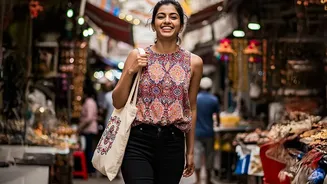
This movement is largely led by younger generations. Millennials and Gen Z are at the forefront, prioritising learning and connection over simple relaxation. For them, a successful trip is measured not by how rested they feel, but by the new perspectives and insights they've gained. This demographic is eager to trade luxury resorts for authentic stays and generic itineraries for customised, experience-rich journeys. However, the trend isn't limited to the young. Families are also increasingly seeking out cultural trips for their educational value, and travel is often a shared pursuit with friends and partners. This new 'culture-curious' traveller is reshaping the market, which is projected to reach $45 billion by 2027.
From Festivals to Food Trails
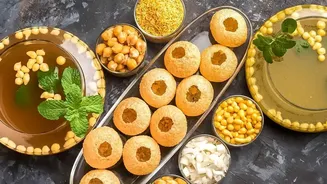
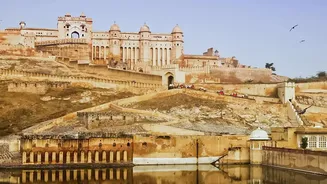
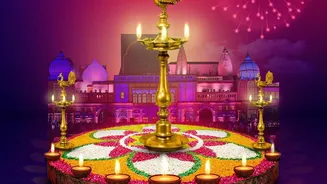
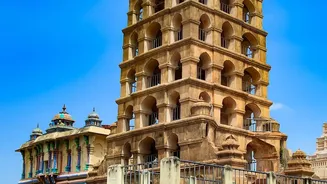
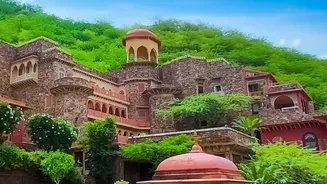
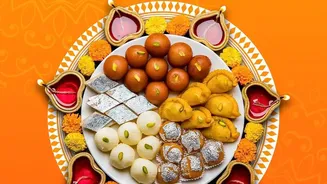
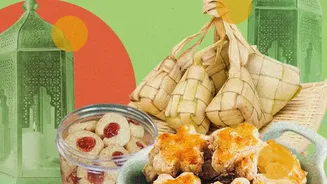
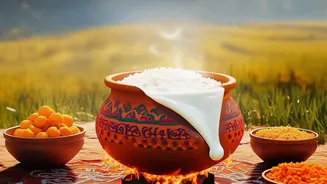
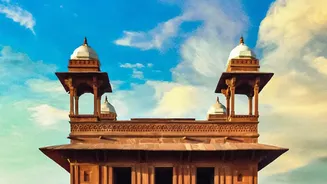
So, what does culture-first travel look like in practice? It might mean planning a trip to Kolkata specifically for Durga Puja, or to Gujarat for Navratri Garba—festivals that are becoming major travel drivers. Heritage is another powerful motivator, with 47% of travellers saying they would plan a trip around historical sites. This has led to renewed interest in destinations like Kerala, Rajasthan, and Uttarakhand. Food has also become a primary reason to travel. Regional culinary experiences, from cooking classes to market explorations, are now central to many itineraries, with 43% of travellers saying they would plan a trip just for the food.
A More Intentional Approach
This evolving mindset is also changing how people plan. Traditionally known for last-minute bookings, Indian travellers are now planning culture-focused trips much further in advance. A recent report noted that 40% of travellers are now booking three to six months ahead, a significant shift from just a year prior when most booked within the final two months. This reflects a more thoughtful and intentional approach to travel, where the goal is no longer just to see a place, but to truly understand it. The result is a more sustainable and rewarding form of tourism that benefits travellers and local communities alike.