
What Exactly Are Self-Watering Planters?
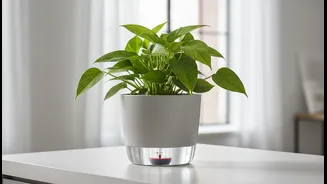
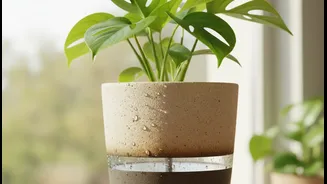
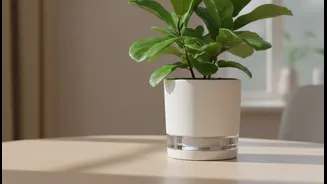
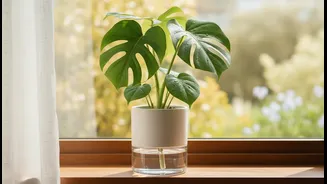
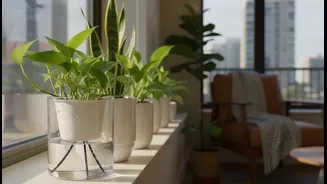
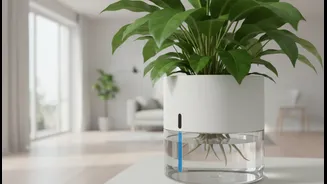
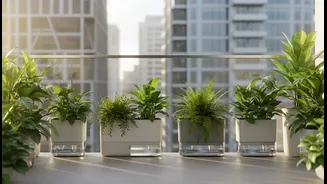
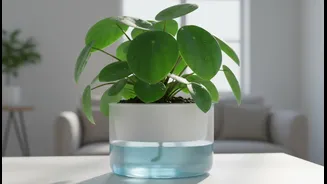
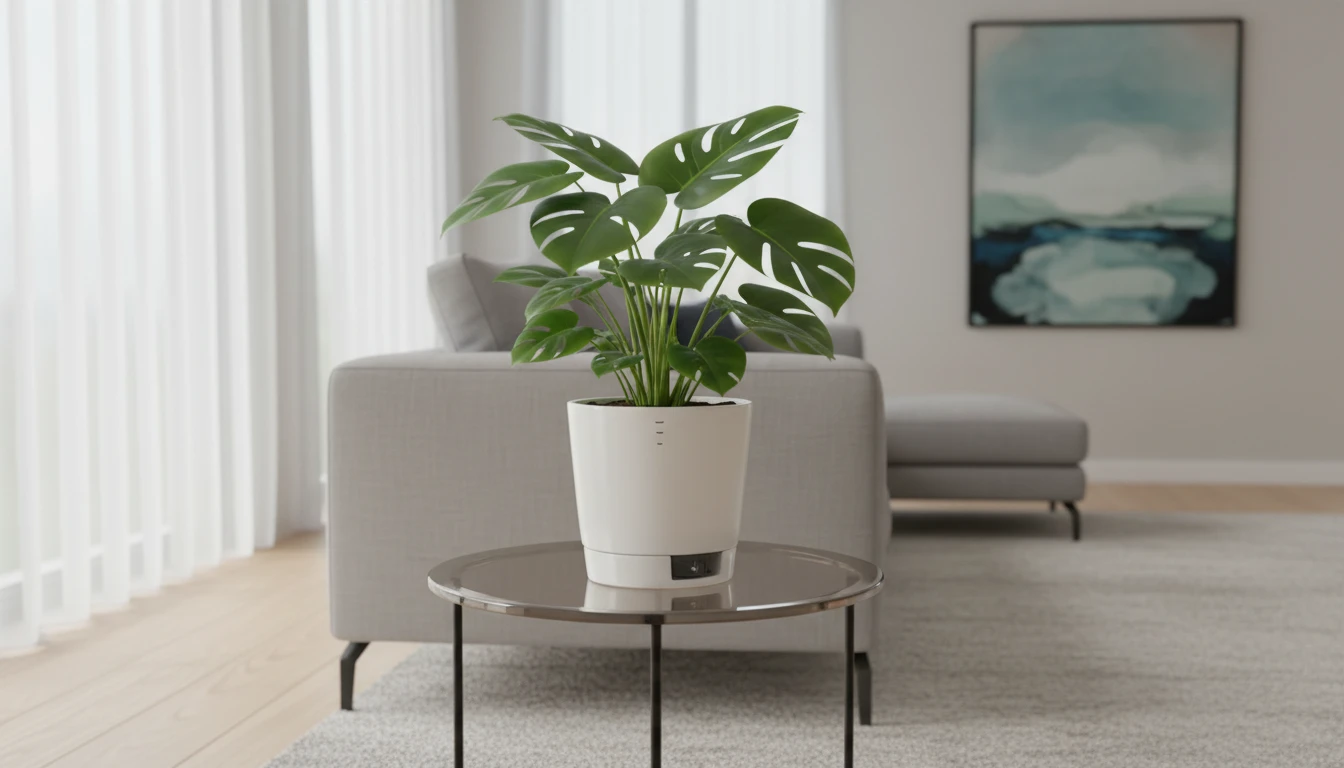
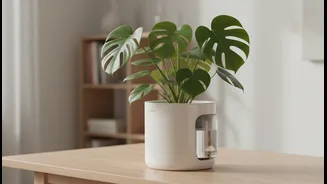
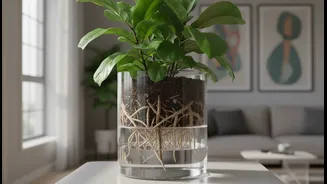
At its core, a self-watering planter is a container with a built-in water reservoir at the bottom. Instead of watering from the top and letting excess drain away, you fill this reservoir directly. The plant then draws water up from this reservoir as it needs
it, creating a more consistent and hands-off approach to hydration. This system eliminates the common problems of overwatering and underwatering that plague many plant owners. It’s a simple concept designed to take the guesswork out of one of the trickiest parts of plant care.
The Simple Science of 'Bottom-Up' Watering
These planters work through a process called capillary action. A wicking system, often made of cotton rope, a porous platform, or even specialized potting soil that extends into the reservoir, pulls water upward against gravity into the main soil bed. As the plant uses water or as moisture evaporates from its leaves, the soil begins to dry, prompting the wick to draw up more moisture to replace it. This allows the plant to regulate its own water intake, ensuring the root zone stays evenly moist but not waterlogged. This bottom-up approach also helps keep the top layer of soil drier, which can discourage common pests and fungal growth.
The Unbeatable Benefits for Busy Lifestyles
The most obvious benefit is convenience. For those who travel, have a hectic schedule, or are simply a bit forgetful, these pots are a game-changer. Most can keep a plant hydrated for days or even weeks. They also conserve water, as the enclosed reservoir reduces evaporation and delivers water directly to the roots where it’s needed most. This consistent moisture helps prevent plant stress, encourages stronger root development, and can lead to healthier, more vibrant plants overall. It effectively ends the vicious cycle of wilting from thirst followed by panic-drowning in soggy soil.
Potential Pitfalls to Watch For
Despite their advantages, self-watering systems are not foolproof. The biggest risk is choosing the wrong plant. Not all plants appreciate constant moisture. Another issue can be stagnant water in the reservoir, which can attract pests like fungus gnats or develop an unpleasant smell if left for too long. It’s important to clean the reservoir periodically. There's also a higher upfront cost compared to standard pots. Finally, don't overfill the reservoir; an air gap between the water and the soil is crucial for roots to get oxygen and prevent rot.
Plants That Adore Self-Watering Systems
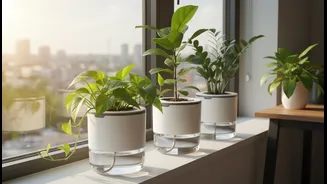
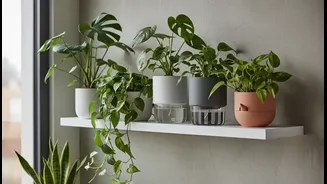
The best candidates are plants that thrive in consistently moist soil. Think of tropicals and leafy foliage that wilt dramatically when they get thirsty. Plants like Peace Lilies, Boston Ferns, Calatheas, and Coleus are excellent choices because they hate drying out. Many common and beloved houseplants, such as Pothos, Spider Plants, and African Violets, also adapt beautifully to the steady hydration provided by these systems, growing more vigorously with less fuss. Herbs like basil and mint, which are notoriously thirsty, also do very well.
Plants to Keep in Traditional Pots
On the other end of the spectrum are plants that have evolved to withstand drought. These species need their soil to dry out completely between waterings. Putting them in a self-watering pot is a recipe for root rot. This category includes all succulents and cacti, which store water in their leaves and stems. Other popular plants to avoid putting in these systems are Snake Plants (Sansevieria) and ZZ Plants (Zamioculcas zamiifolia), both of which are notoriously prone to rotting in overly moist conditions.