


Meet Your Gut Microbiome
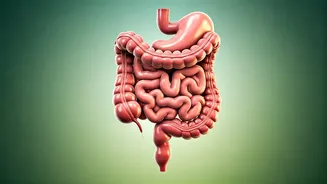
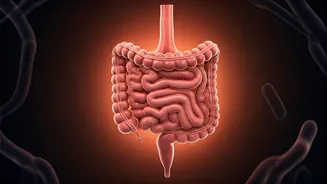
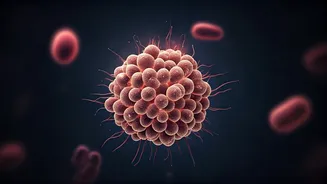
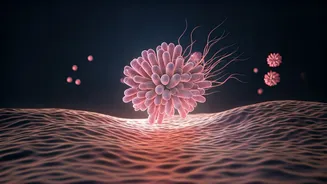
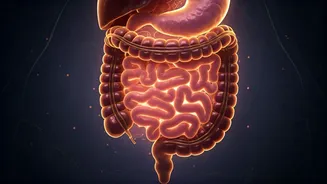
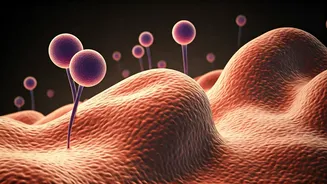
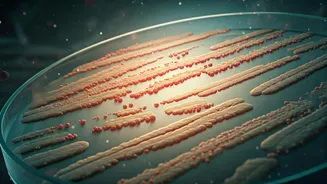
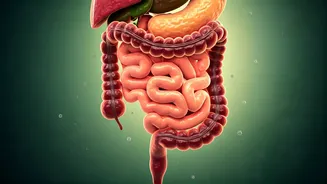
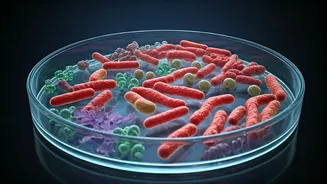
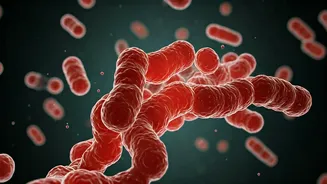
Before we dive into the 'how', let's cover the 'what'. When we talk about gut health, we're really talking about the gut microbiome: a bustling metropolis of trillions of microorganisms, including bacteria, viruses, and fungi, living in your intestines.
This isn't a bad thing; in fact, it's essential. A healthy gut contains a diverse and balanced community of these microbes. Think of it like a thriving rainforest ecosystem. When this ecosystem is balanced, it works in harmony with your body, helping with digestion, producing essential vitamins, and protecting you from pathogens. When it's out of balance—a state called dysbiosis—it can contribute to a wide range of health issues, from digestive discomfort to chronic inflammation.
Your Gut: The Second Brain
Have you ever felt 'butterflies' in your stomach when nervous or made a 'gut decision'? That's not just a saying; it’s a sign of the powerful connection between your gut and your brain. This link, known as the gut-brain axis, is a two-way communication highway. Your gut is lined with millions of nerve cells and produces a significant amount of the body's neurotransmitters, including about 95% of your serotonin, the 'happy chemical' that regulates mood. An unhealthy gut can send stress signals to the brain, while a healthy gut can promote feelings of well-being. This is why improving your gut health can have a surprisingly positive impact on your mental clarity, stress levels, and overall mood.
Feed the Good Guys with Probiotics
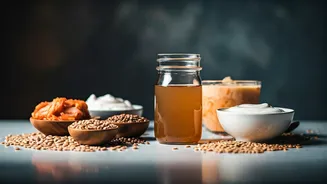
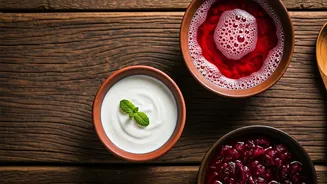
One of the best ways to support your gut is to introduce beneficial bacteria, known as probiotics. You don't need expensive supplements to get started. Probiotics are abundant in many traditional Indian foods. The most obvious one is *dahi* (curd), a powerhouse of live cultures. A daily bowl of homemade curd can do wonders. Similarly, buttermilk (*chaas*) is a refreshing probiotic drink. Fermented foods are also fantastic sources. The process used to make *idli* and *dosa* batter creates beneficial bacteria. Even traditionally made pickles (*achar*), which are fermented and not just steeped in vinegar and oil, can be a good source. Incorporating these foods helps reinforce the population of good microbes in your gut.
Fuel Them with Prebiotics
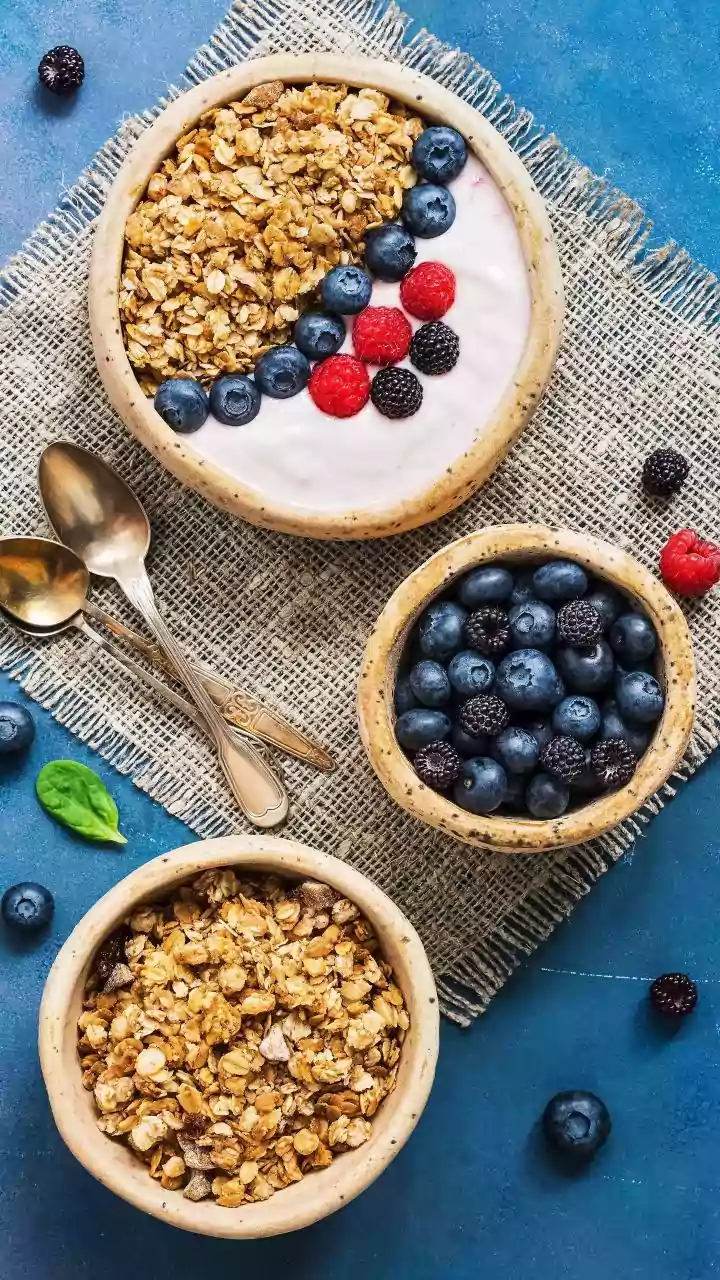
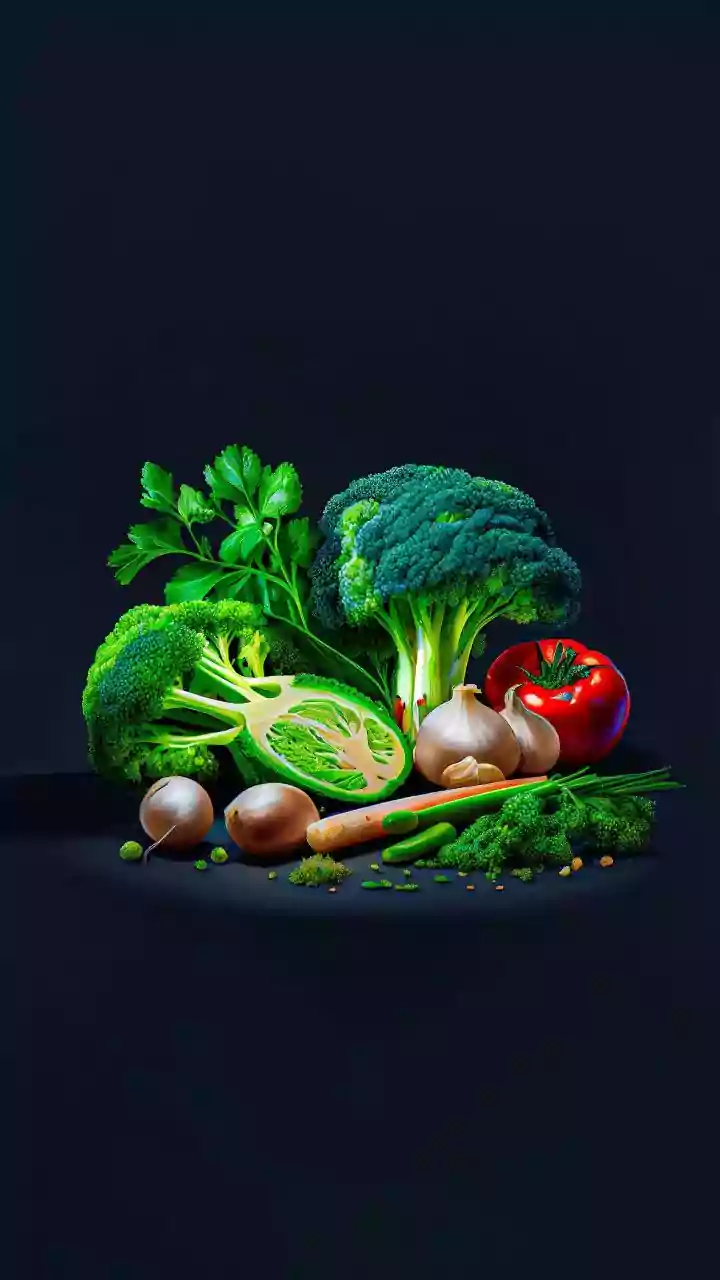
Probiotics are the good bacteria, but prebiotics are their food. Prebiotics are types of dietary fibre that your body can't digest, so they travel to your lower digestive tract where they become a food source for the healthy bacteria. To put it simply, you need to feed the good guys to help them thrive. Luckily, prebiotic fibres are found in many common foods. Onions, garlic, and ginger—the foundation of so much Indian cooking—are excellent sources. Other great options include bananas (especially when they're slightly green), whole grains like oats and barley, and a wide variety of lentils (*dals*) and legumes like chickpeas (*chana*). The key is diversity. Aim to eat a wide range of plant-based foods to feed a wide range of beneficial microbes.
Look Beyond Your Plate
While diet is the cornerstone of gut health, it's not the only factor. Your lifestyle plays a crucial role. Chronic stress is a major enemy of a healthy gut. High levels of the stress hormone cortisol can negatively impact your gut lining and microbiome balance. Practices like yoga, meditation, and even simple deep-breathing exercises can significantly lower stress and, in turn, benefit your gut. Sleep is another critical component. Your gut follows a daily rhythm, just like you do. Poor or insufficient sleep can disrupt this rhythm, affecting your microbial community. Aiming for 7-8 hours of quality sleep per night is one of the best things you can do for your overall health, including your gut.
What to Limit for a Happier Gut
Just as you add good things in, it's helpful to reduce things that harm your gut microbiome. Ultra-processed foods, which are often high in sugar, unhealthy fats, and artificial additives, can decrease the diversity of your gut bacteria and promote the growth of less beneficial microbes. High sugar intake, in particular, can feed inflammatory bacteria. While you don't need to eliminate everything you enjoy, being mindful of your intake can make a big difference. Try to prioritise whole, unprocessed foods and think of packaged snacks and sugary drinks as occasional treats rather than daily staples. Your gut will thank you for it.