








Choose Crisp Cotton
Cotton is the undisputed champion for the Indian monsoon. Its natural fibres are soft, breathable, and excellent at absorbing moisture, which helps in the high humidity. For bedding, opt for lightweight percale cotton with a thread count between 200 and 300.
The open weave allows air to circulate, wicking moisture away from your body for a more comfortable sleep. For curtains, light cotton in a GSM (grams per square metre) of 100-140 is ideal. It dries quickly, doesn't hold ambient moisture like heavier fabrics, and lets a soft, diffused light into the room, combating the gloomy monsoon sky. Handloom cottons like khadi are also excellent choices.
Embrace Airy Linen
Linen is another top contender for monsoon-friendly decor. Derived from the flax plant, it is one of the most breathable fabrics available and is renowned for its ability to wick moisture and dry incredibly fast—even faster than cotton. While some are deterred by its tendency to wrinkle, this characteristic can lend a relaxed, effortless charm to a room, which suits the season perfectly. Linen is an excellent choice for cushion covers, bed throws, and curtains in rooms that need maximum airflow. A cotton-linen blend is a great compromise, offering the quick-drying benefits of linen while reducing some of the wrinkling.
Let Light In with Sheers
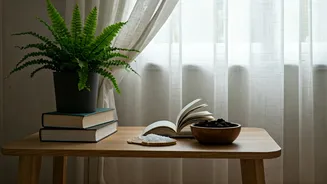
Heavy, thick curtains are a significant problem during the monsoon. They block what little sunlight is available, impede air circulation, and can become damp, leading to mildew. The solution is to switch to sheer or voile curtains. These lightweight fabrics allow maximum airflow and light, instantly making a room feel brighter and more open. Their open weave means moisture passes through rather than accumulating, making them the fastest-drying option for windows. If privacy is a concern, consider a double-layered curtain setup: a sheer layer inside for the daytime and a light, water-repellent polyester or treated cotton layer outside for night.
Fabrics to Pack Away
Just as important as choosing the right fabrics is knowing which ones to avoid. Store your heavy textiles until the drier months return. Velvet, for instance, is a moisture magnet that takes days to dry and can quickly develop mildew in a closed room. Heavy silks can get water spots that are difficult to remove. Dense jacquard weaves and foam-backed blackout curtains also trap moisture and prevent airflow. Synthetic materials like polyester can be a mixed bag; while they repel water, they don't breathe well and can feel sticky and uncomfortable in the humidity. It's best to avoid them for bedding and seating.
Essential Care and Maintenance
Even with the right fabrics, proper care is crucial to prevent musty smells and mildew. Ensure good ventilation by opening windows whenever it's not raining and using fans to circulate air. Wash bed linen and towels more frequently—every 3-4 days for towels and 5-7 days for bedsheets—as bacteria multiply faster in the damp environment. When washing, you can add half a cup of white vinegar to the rinse cycle to help kill mould spores and neutralise odours. Most importantly, ensure everything is completely dry before storing it. Ironing clothes can help remove any last bit of residual moisture. For wardrobes, use moisture absorbers like silica gel packets or camphor balls to keep stored textiles fresh.