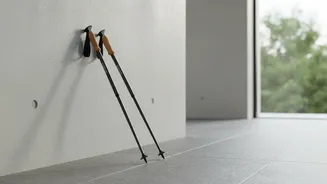



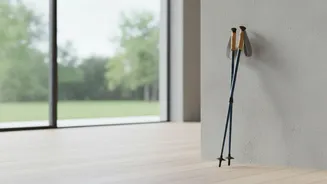
What Exactly Is Nordic Walking?
Imagine going for a brisk walk, but you’re holding what look like sleek ski poles. That's the essence of Nordic walking. It’s a total-body exercise that originated in Finland as a way for cross-country skiers to train during the summer. Unlike regular
walking, which primarily uses muscles in the lower half of the body, Nordic walking uses specially designed poles to engage your upper body, too. By pushing off the ground with the poles, you activate your arms, shoulders, chest, and core muscles, turning a simple stroll into a comprehensive workout that engages up to 90% of your body's muscles.
The Shift to an Everyday Workout
For years, Nordic walking was often associated with older adults or rehabilitation programs. While it is excellent for those purposes, a significant shift is underway. People of all ages and fitness levels are now discovering it as a highly efficient and adaptable form of everyday exercise. Its popularity is surging because it bridges the gap between gentle walking and high-impact activities like running. It provides a more intense cardiovascular workout and burns significantly more calories than regular walking—up to 46% more, according to some studies—without the joint stress that can lead to injury. This makes it an attractive option for anyone from fitness beginners to seasoned athletes looking for a new challenge.
Science-Backed Health Benefits
The perks of picking up poles are well-documented. Beyond the increased calorie burn, Nordic walking is celebrated for its wide-ranging health benefits. It improves cardiovascular health, helps reduce 'bad' LDL cholesterol, and can lower blood pressure. The use of poles provides extra points of contact with the ground, which enhances stability and balance—making it particularly beneficial for those with unsteadiness. Furthermore, it strengthens the upper body and core, improving posture and overall muscle tone. Studies have also linked it to reduced chronic pain, lower anxiety, and an improved quality of life.
The Power of Gradual Training
One of the most compelling aspects of Nordic walking is its alignment with the principle of gradual training. The fitness world often promotes high-intensity, all-or-nothing approaches, which can lead to burnout or injury. Nordic walking thrives on consistency and incremental progress. Beginners can start on flat surfaces at a comfortable pace, focusing on learning the proper technique. As strength and endurance build, you can naturally increase your speed, tackle varied terrain, or extend the duration of your walks. This gradual progression allows your body's muscles, joints, and cardiovascular system to adapt safely, fostering a sustainable exercise habit. It’s about building a solid foundation for long-term health, not chasing a quick fix.
How to Get Started
Beginning your Nordic walking journey is straightforward. The most crucial equipment is a pair of proper Nordic walking poles, which are different from trekking or hiking poles. They come with a specific glove-like strap system that helps you execute the correct 'push-off' motion. The basic technique involves walking with a natural arm swing, coordinating opposite arm and leg, and planting the pole diagonally behind you to propel yourself forward. Many find it helpful to watch tutorial videos or join a local walking group to learn the correct form, as proper technique is key to unlocking the full benefits of the workout.