






The Constant Battle Against Sunlight
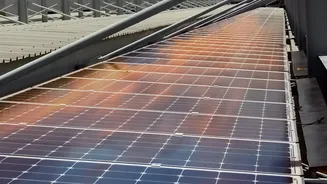
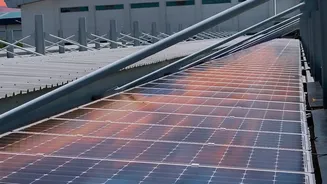
Solar panels are built to live in the sun, but that constant exposure comes at a cost. The very light they convert into electricity also works to break them down in a process called photodegradation. Over time, ultraviolet (UV) radiation causes chemical
changes in the materials that make up a solar panel, including the protective coatings and the silicon cells themselves. This leads to a gradual but irreversible loss of performance. Manufacturers typically warranty their panels for 25 to 30 years, but degradation begins from the first day they are exposed to light. This process can reduce a panel's output by 1-3% in the first couple of years, and then by a smaller but steady percentage annually after that. While engineers add UV blockers to mitigate this, finding a durable, effective, and sustainable solution has been a long-standing challenge in the renewable energy industry.
Nature’s Ultimate Sunscreen: Melanin
Nature has already solved the problem of UV protection. The solution is melanin, the same pigment that gives colour to our skin, hair, and eyes. Melanin is a powerful natural photoprotectant. Its primary job is to absorb harmful UV radiation and dissipate it as harmless heat, forming a shield that prevents radiation from damaging the DNA in our cells. Beyond just absorbing light, melanin is also an effective antioxidant, meaning it can neutralise the harmful free radicals that are created when UV light strikes a surface. This dual-action capability makes it an incredibly robust defence mechanism. Scientists have long been fascinated by its properties, leading to growing interest in creating synthetic versions for a wide range of applications.
From the Ocean’s Depths to the Lab
One of the richest natural sources of melanin is found in the ink of cephalopods like squid and cuttlefish. Researchers have been inspired by this dense, pigment-packed substance to develop what is known as bio-synthetic melanin. Instead of harvesting it directly in massive quantities, scientists study the chemical building blocks of the melanin found in squid ink—compounds like dopa and dopamine—and replicate the polymerization process in the lab. This allows them to create melanin-like nanoparticles with consistent properties, tailored for specific uses. The process yields a material that mimics the structure and function of natural melanin, offering a stable, scalable, and biocompatible product for industrial applications.
A Protective Coating for a Sustainable Future
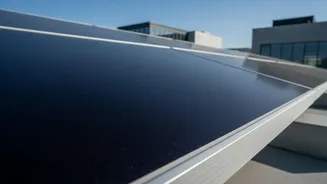
When applied as a thin coating to solar panels, this bio-synthetic melanin acts just like it does in nature: as a superior, renewable sunscreen. The coating forms a protective layer that absorbs incoming UV radiation before it can reach and degrade the delicate components of the solar cell beneath. By preventing this photodegradation, the melanin-based coating can significantly extend the effective lifespan of a solar panel and help it maintain a higher level of performance over time. This breakthrough addresses one of the key hurdles in solar technology—long-term durability. By improving the longevity of panels, the technology promises to make solar energy a more reliable and cost-effective investment for both commercial power plants and individual homeowners.
More Than Just Solar Panels
The potential for bio-synthetic melanin extends far beyond the energy sector. Its powerful UV-blocking and antioxidant properties make it a valuable additive for countless other products. In the cosmetics industry, it's being explored as a highly effective ingredient in sunscreens and skincare products to protect against sun damage and premature ageing. In materials science, it could be incorporated into paints, textiles, and plastics to prevent them from fading, cracking, and becoming brittle after prolonged sun exposure. Researchers are even investigating its biomedical applications, from accelerating wound healing to potentially protecting against neurodegenerative diseases. This versatility makes melanin a true platform technology with wide-reaching implications.