

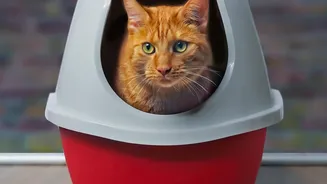
Understanding Pet Shyness
Shyness in pets can stem from several factors, including a lack of early socialization, past trauma, or genetic predisposition. A pet that hides, trembles, or avoids contact isn't being difficult; they are genuinely scared and responding to a perceived
threat. This fear can be triggered by new environments, unfamiliar people, or loud noises. The first step in helping them is to understand that their behaviour is rooted in survival instincts, not stubbornness. Forcing them into overwhelming situations will only backfire and make the problem worse. Instead, the goal is to create a sense of safety and show them that their new world is not something to fear.
Create a Safe Haven
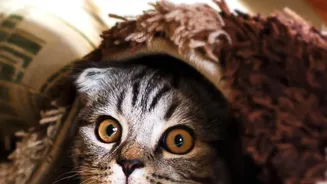
When you first bring a shy pet home, resist the urge to give them a full tour. Instead, set them up in a single, quiet room that will serve as their 'home base'. This could be a spare bedroom or a calm corner of the house. Equip this space with everything they need: food, water, a litter box (for cats), a comfortable bed, and a few simple hiding spots like a cardboard box or a covered pet bed. Allowing them to acclimate to one small, predictable space first helps them get used to the new sounds and smells of your home without feeling overwhelmed. Let them stay in this room until they show signs of wanting to explore on their own terms.
The Power of Choice and Patience
The core principle of helping a shy pet is to let them make the choices. Never pull a cat or dog out of their hiding spot. Forcing interaction can destroy trust and increase fear. Instead, spend quiet time in the same room with them several times a day. You can read a book aloud, work on your laptop, or simply sit there. This helps them get used to your presence without any pressure. Let them initiate contact. When they seem curious, you can offer a relaxed hand, palm down, for them to sniff. If they approach, that’s a victory. If they back away, respect their decision and give them space. This empowers them and builds their confidence, teaching them that they have control over their interactions.
Build Trust with Positive Associations
Connect your presence with positive experiences. High-value treats are a powerful tool for building trust. For a food-motivated pet, you can offer special snacks like small pieces of cooked chicken or tuna when you are in the room. Start by placing the treat near their hiding spot and gradually, over many sessions, encourage them to take it closer to you. The key is that these special treats only appear when you are present. Play can also be a wonderful way to bond from a safe distance. An interactive toy, like a feather wand for a cat or a gentle game of fetch for a dog, allows them to engage with you while maintaining a comfortable distance.
Learn Their Language
Understanding your pet's body language is crucial for knowing when they are feeling stressed or relaxed. Signs of fear and anxiety in both cats and dogs include crouching, flattened ears, a tucked tail, and wide eyes. A cat might hiss or have rippling fur, while a dog might yawn, lick its lips, or hold its body very still. Conversely, signs of comfort include a relaxed body posture, soft eyes, and for cats, slow blinking. By paying close attention to these signals, you can know when to proceed and when to back off, ensuring you never push them past their comfort level.
When to Seek Professional Help
While many pets will slowly come out of their shell with patience and a safe environment, some may have anxiety so severe that it impacts their quality of life. It might be time to consult a professional veterinarian or a certified animal behaviorist if your pet's anxiety doesn't improve, if they stop eating or drinking, become aggressive, or engage in self-harming behaviours like excessive licking. A professional can rule out any underlying medical causes and create a tailored behaviour modification plan. Sometimes, medication may be recommended to help manage their anxiety and make them more receptive to training.