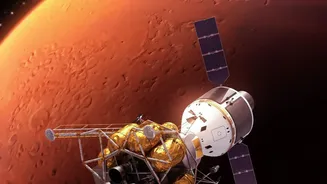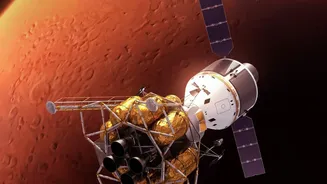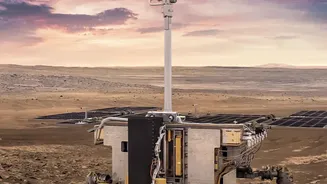

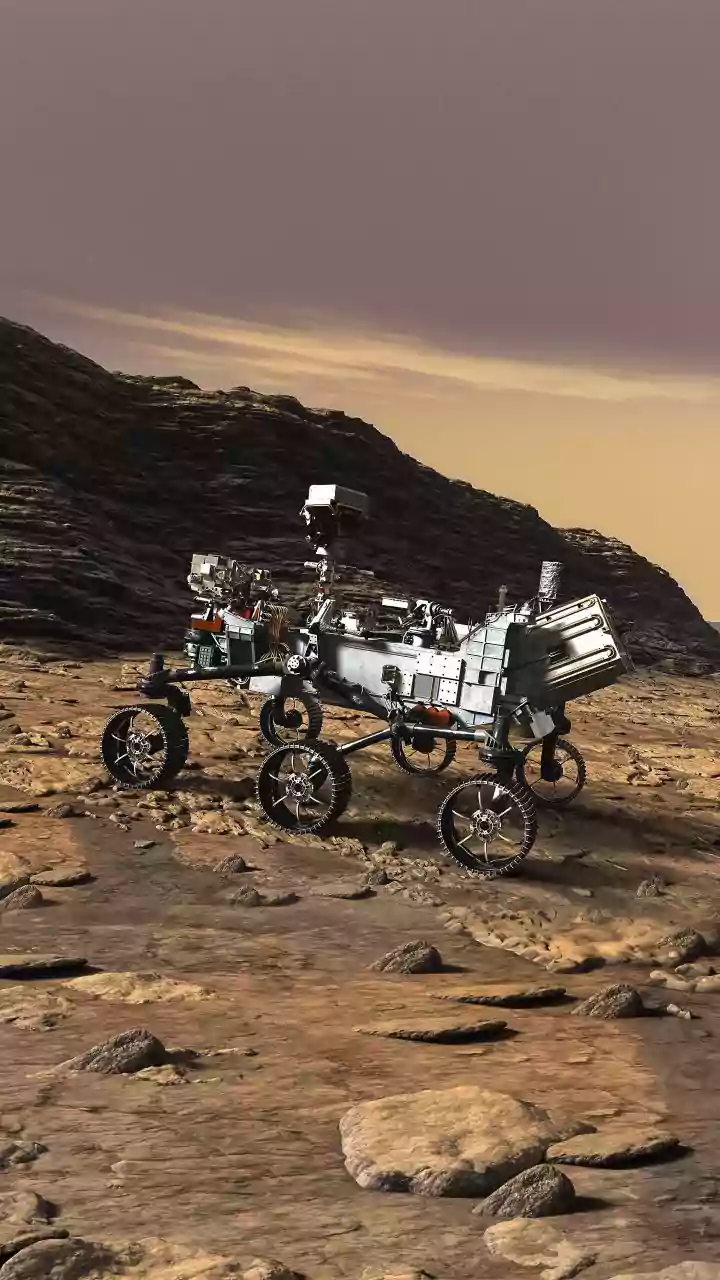


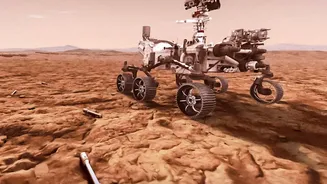


A collection of pristine Martian rock and soil samples sits waiting on the red planet. Now, NASA is revamping its grand, multi-billion-dollar plan to retrieve this cosmic treasure, placing the ambitious mission firmly back at the top of its agenda.
A Scientific Treasure on Mars
Since
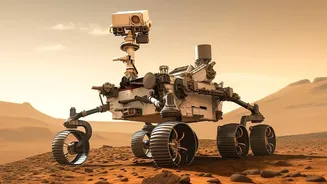
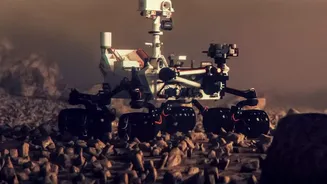
its dramatic landing in Mars' Jezero Crater in 2021, the Perseverance rover has been meticulously conducting a scientific treasure hunt. Its primary goal has been to collect and cache dozens of rock and soil samples in small, cigar-shaped titanium tubes. These aren't just any rocks; they are carefully selected specimens from an ancient river delta, believed to hold vital clues about whether Mars ever hosted microbial life. For decades, scientists have argued that the only way to definitively answer this question is to analyze these samples with powerful laboratory equipment on Earth, making their retrieval one of the highest priorities in planetary science.
A Plan of Unprecedented Complexity
The original Mars Sample Return (MSR) mission, a joint effort with the European Space Agency (ESA), was a marvel of engineering ambition. It involved a complex sequence of events: a new lander would touch down on Mars, dispatching helicopters to fetch the sample tubes left by Perseverance. Then, a 'Mars Ascent Vehicle' would launch those samples into Martian orbit for the first time in history. Finally, an orbiter built by ESA would capture the container and fly it back to Earth. This multi-stage plan was technologically audacious, representing a major step toward future human missions to the red planet.
When Ambition Met Reality
The mission's complexity came with a staggering and ever-increasing price tag. An independent review board concluded that the MSR program was established with unrealistic budget and schedule expectations from the beginning. The projected cost ballooned towards $11 billion, and the return date slipped to 2040. NASA Administrator Bill Nelson called this timeline 'unacceptably too long' and the cost 'too expensive'. Faced with budget constraints and the risk of having to 'cannibalize' funding from other critical science missions, the agency determined the existing plan was no longer viable.
A Call for 'Out-of-the-Box' Ideas
Instead of scrapping the goal, NASA hit the reset button. Acknowledging the original plan's flaws, the agency has put out a call for a new, faster, and cheaper approach. In early November 2026, NASA detailed a new initiative called the Perseverance Sample Retrieval Architecture (PSRA). This effort, set to kick off in January 2027, will solicit innovative ideas from NASA's own centers as well as from the commercial space industry. The goal is to develop a new mission plan that is less complex, has a lower risk profile, and can bring the precious Martian cargo home sometime in the 2030s for a more manageable cost, possibly in the $7-8 billion range. This rethink comes as China moves forward with its own ambitious Mars sample return mission, Tianwen-3, aiming for a 2031 return.