







Prioritise Native and Climate-Appropriate Plants
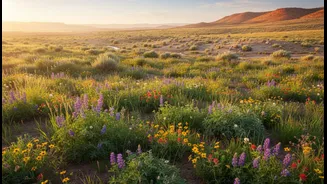
The foundation of a resilient urban green space is using plants that belong there. Native species are adapted to local climate, soil, and rainfall patterns, meaning they require less water and maintenance once established. For urban planners in India,
this means moving away from purely ornamental, exotic plants that struggle in harsh conditions and demand intensive care. A landscape rich with native trees like Neem and Jamun, or flowering shrubs like Hibiscus, not only thrives but also provides appropriate food and shelter for local wildlife. Students and researchers can contribute by mapping regional flora and identifying species with high drought tolerance and cooling properties. For citizens, even a small balcony garden with native herbs like Tulsi can make a difference.
Design for Biodiversity, Not Just Greenery
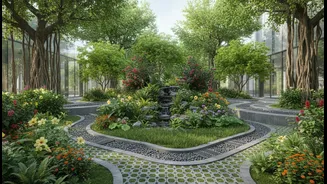
A manicured lawn may be green, but it is often a biological desert. True climate resilience comes from creating complex habitats. This involves planting in layers—groundcover, shrubs, and trees—to mimic natural ecosystems. This structural diversity creates a variety of niches that can support a wider range of insects, birds, and small animals. Urban planners should mandate biodiversity targets in new developments, moving beyond simple tree-planting quotas. Instead of uniform parks, we need interconnected green corridors and patches of managed wilderness. For students, this is a rich area for study: analysing how different planting schemes affect insect populations or bird diversity can provide crucial data for better urban design. Even residents can help by allowing parts of their gardens to grow a little wild.
Integrate 'Blue' and 'Green' Infrastructure
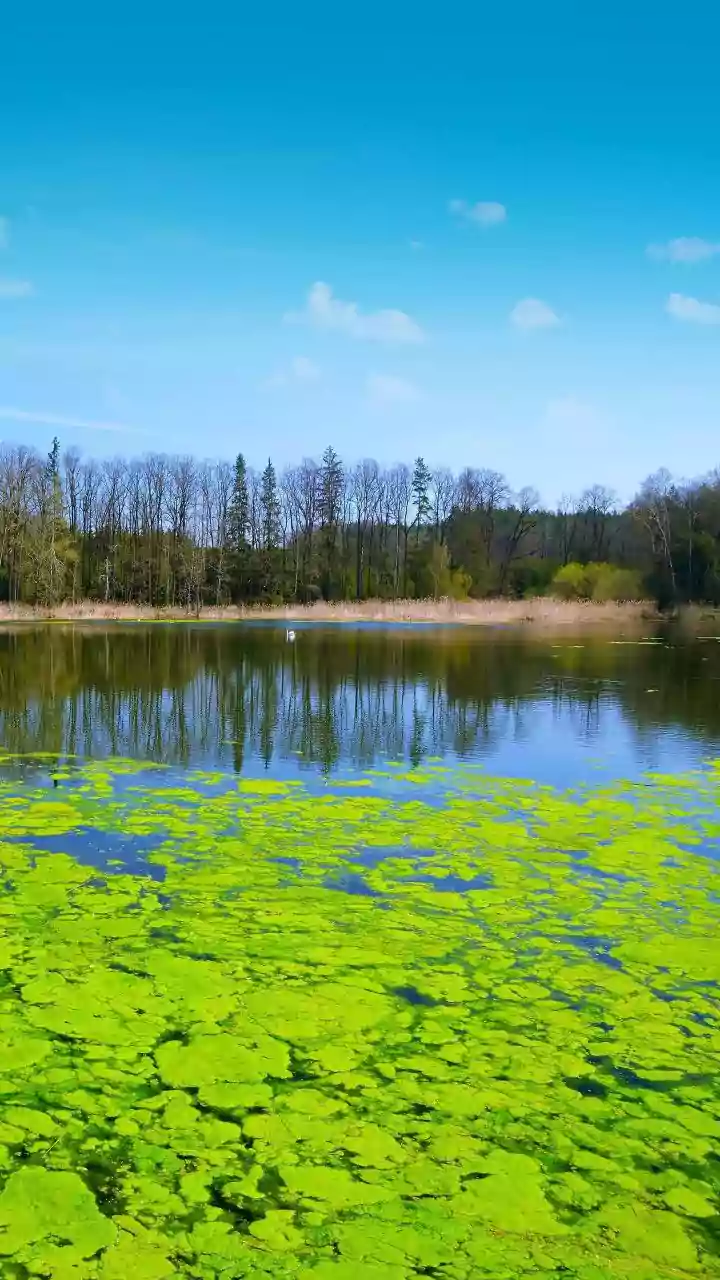
Tackling urban heat requires a holistic approach that combines vegetation ('green') with water management ('blue'). Preserving and restoring urban water bodies like lakes, ponds, and canals has a significant cooling effect. These features work with green spaces through evaporative cooling to lower ambient temperatures. For urban planners, this means designing cities where rainwater is seen as a resource. Instead of channelling it away in concrete drains, it should be directed into rain gardens and permeable surfaces that recharge groundwater and sustain plant life. This reduces flood risk and provides a water source for urban greenery during dry spells. Linking green corridors with these blue elements creates a powerful, city-wide cooling network.
Embrace Vertical and Rooftop Greening
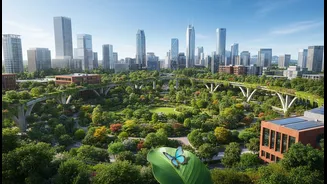
In dense cities where ground space is scarce, the only way to go is up. Green roofs and vertical gardens are no longer just aesthetic novelties; they are essential tools for climate adaptation. A layer of vegetation on a roof can reduce its surface temperature dramatically, providing insulation and lowering energy demand for air conditioning in the building below. They also absorb stormwater, filter air pollutants, and create new habitats for pollinators. While there are technical challenges, especially in tropical climates, the benefits are immense. Cities can incentivise their adoption through policy, while architects and engineers can innovate designs suited to Indian conditions.
Use Data to Drive Planning and Policy
Effective action must be guided by information. Cities need to map their 'heat hotspots' to understand which neighbourhoods are most vulnerable. This involves using tools like GIS to analyse land surface temperatures and cross-reference them with vegetation cover and population density. Researchers and students can play a vital role in collecting and analysing this data. Urban planning departments should use these insights to target interventions where they are most needed, ensuring equitable distribution of green spaces. Policy should be adaptive, with clear targets for increasing green cover and biodiversity, supported by regular monitoring to measure success and make adjustments.
Foster Community Engagement and Stewardship
Top-down planning alone is not enough. Lasting change requires the involvement of the people who live in these spaces. Community-led tree planting drives, neighbourhood gardening groups, and school-based awareness programs are crucial for fostering a sense of ownership and stewardship. Municipal bodies should partner with citizen groups, providing resources and technical expertise. For climate readers and students, this is an opportunity to become advocates and educators in their own communities, explaining the links between a shady street, a visiting butterfly, and a more liveable city. The goal is to build a shared understanding that a cooler, more biodiverse city is a healthier and more prosperous one for everyone.