




The Grains of Our Grandparents
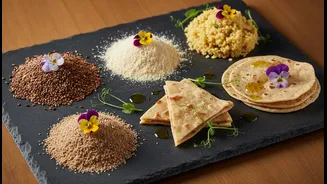
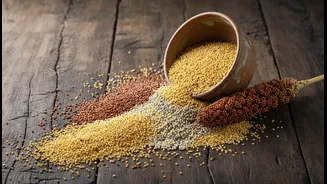
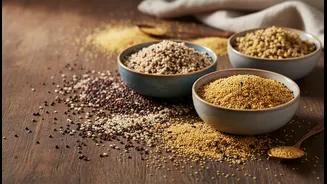
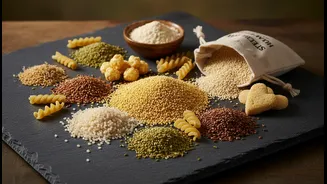
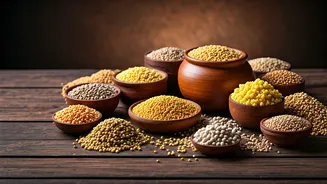
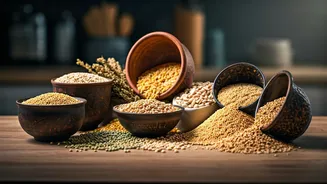
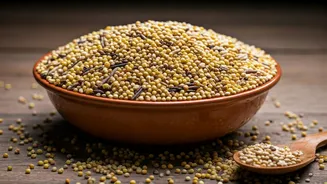
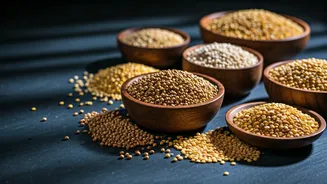
For generations, millets like ragi (finger millet) and pseudo-cereals like amaranth (rajgira) were staples in Indian diets. Long before wheat and polished rice dominated our plates, these hardy, nutritious grains were transformed into everything from
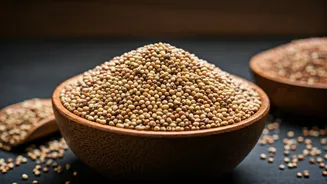
rotis and porridges to festive sweets. Ragi, a fantastic source of calcium and iron, was a dietary cornerstone in Southern India, while amaranth, a complete protein, was revered across the country, often used during fasting periods. However, the Green Revolution in the mid-20th century, which prioritized high-yield rice and wheat to ensure food security, inadvertently pushed these traditional grains to the sidelines. They became associated with rural or 'poor man's food', gradually disappearing from urban kitchens.
A Modern Health Halo
So, why the sudden resurgence? The answer lies in a powerful shift towards wellness and preventive health, particularly among urban Indians. Amaranth and ragi are nutritional powerhouses perfectly aligned with modern dietary demands. Both are naturally gluten-free, making them ideal for those with sensitivities. Amaranth boasts a complete protein profile, containing all nine essential amino acids—a rarity in plant-based foods. Ragi is packed with calcium, iron, and fiber, promoting bone health and aiding digestion. As corporate India grapples with lifestyle diseases and burnout, employees are actively seeking out nutrient-dense, high-fiber, and low-sugar meal options—a checklist that these ancient grains ace with ease.
From Farm to Corporate Desk
The return of ragi and amaranth isn't just about a change in mindset; it's also about convenience. Recognizing the trend, a new wave of Indian food startups and established brands are innovating to fit these grains into a busy corporate lifestyle. Gone are the days when you needed to soak and grind them from scratch. Today, the market is flooded with user-friendly options: ragi-based breakfast cereals, amaranth cookies, ready-to-cook dosa and idli mixes, and even puffed amaranth that can be sprinkled over yogurt or salads like a superfood granola. These products offer a simple, quick, and healthy meal solution for a professional grabbing lunch between meetings, effectively bridging the gap between traditional nutrition and modern convenience.
More Than Just a Food Trend
Embracing amaranth and ragi is more than a dietary choice; it's a cultural reclamation. For many, it represents a conscious decision to reconnect with their roots and embrace indigenous wisdom. After decades of looking to the West for wellness trends, there's a growing pride in the nutritional science embedded in our own culinary heritage. This movement is also environmentally significant. Millets are climate-resilient 'smart foods'; they are drought-resistant and can grow in poor soil with minimal inputs, making them a sustainable choice for the future of agriculture in India. Choosing these grains supports local farmers and biodiversity, adding another layer of purpose to your midday meal.