







Do Pack Smart and Dry
Your packing strategy is the first line of defence against the damp. Leave the heavy jeans and cottons at home; they take ages to dry in humid conditions and can become uncomfortable. Instead, opt for lightweight, synthetic fabrics like polyester and nylon
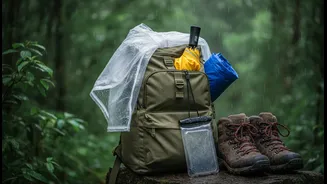
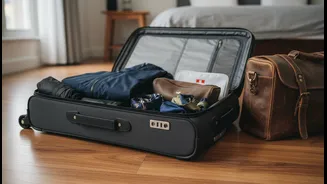
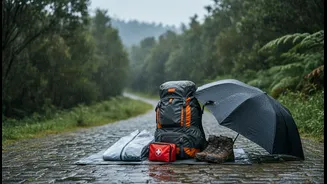
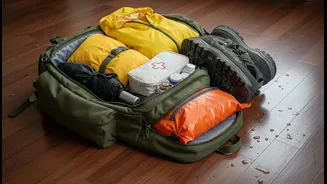
that dry quickly. Packing quick-dry t-shirts, trousers, and a few extra pairs of synthetic undergarments is a wise move. A sturdy, windproof umbrella and a lightweight waterproof jacket or poncho are non-negotiable. It's also smart to pack a quick-dry towel, which takes up less space and is more practical than standard hotel towels after an unexpected downpour. Use waterproof bags or even simple zip-lock pouches to compartmentalise and protect your clothes, documents, and other essentials within your main luggage.
Do Protect Your Electronics
Rain and humidity are the enemies of electronic gadgets. Power cuts can be more frequent during the monsoon, so carrying a fully charged power bank is essential for keeping your phone and other devices operational. To protect your gear from water damage, invest in waterproof pouches or dry bags for your phone, camera, and chargers. For an extra layer of protection, you can line your backpack with a heavy-duty plastic bag. Tossing a few silica gel packets into your electronics bag is a great hack to absorb excess moisture and prevent humidity-related damage.
Do Prioritise Your Health
The monsoon season sees a spike in waterborne and mosquito-borne illnesses. Be vigilant about what you eat and drink. Avoid street food, especially items that have been sitting out or are uncooked, like salads and chutneys. Stick to freshly prepared, hot meals from clean, reputable restaurants. Always drink bottled, boiled, or purified water to avoid contamination; never drink from the tap. Mosquitoes are rampant, so use a strong insect repellent, especially during the evenings, and consider wearing long-sleeved clothing to minimise exposure. It's also crucial to carry a basic first-aid kit containing essentials for common ailments like fever, colds, stomach issues, and any personal medications.
Do Choose the Right Footwear
The right shoes can make or break your monsoon travel experience. Leather shoes and canvas sneakers are a poor choice as they get ruined in water and take a long time to dry, increasing the risk of fungal infections. Instead, opt for waterproof footwear with a good grip. Rubber sandals, floaters, or trekking shoes with anti-skid soles are ideal for navigating slippery, waterlogged streets. It’s always a good idea to have a pair of flip-flops for casual or indoor use. Whatever you choose, make sure it’s comfortable and provides stability on wet surfaces to prevent slips and falls.
Do Drive with Extreme Caution
If you're planning a road trip, be aware that monsoon driving requires extra vigilance. Reduce your speed, as wet roads significantly increase braking distances. Maintain a safe distance from the vehicle in front of you. Poor visibility is a major hazard, so always drive with your headlights on low beam during heavy rain. Never attempt to drive through heavily waterlogged streets; the water can hide deep potholes or open drains and can easily cause your vehicle to stall. Before you start, ensure your car's brakes, tyres, and wipers are in excellent working condition.
Do Stay Informed and Flexible
Monsoons are unpredictable. Heavy rains can lead to landslides, roadblocks, and travel delays, particularly in hilly or coastal areas. Before and during your trip, regularly check weather forecasts and local news for your destination. Having a flexible itinerary with buffer days can save you a lot of stress if your plans are disrupted. If local authorities issue a warning, it's best to postpone non-essential travel. Talking to locals can also provide valuable insight into which routes are safe and which areas to avoid.