

The Golden Window for Travel
The post-monsoon season, stretching from October to February, is widely regarded as the best time to explore much of Karnataka, and for good reason. After months of heavy rainfall, the weather undergoes a pleasant transformation. The intense humidity
of the monsoon recedes, and the fierce heat of summer is yet to arrive. Temperatures during this period are moderate and comfortable, with daytime highs in cities like Bengaluru, on the route to Hampi, hovering around a pleasant 28°C (82°F) and cooler nights. This climate is ideal not just for driving but for sightseeing. You can step out of your car to explore a temple or enjoy a viewpoint without the draining effects of extreme weather, making the entire journey more relaxing and enjoyable. This period offers a perfect balance—cool enough for comfort, yet warm enough to feel like a holiday.
A Landscape Reborn and Painted Green
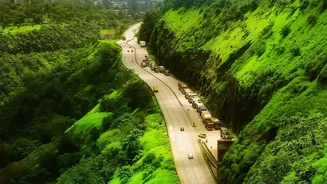
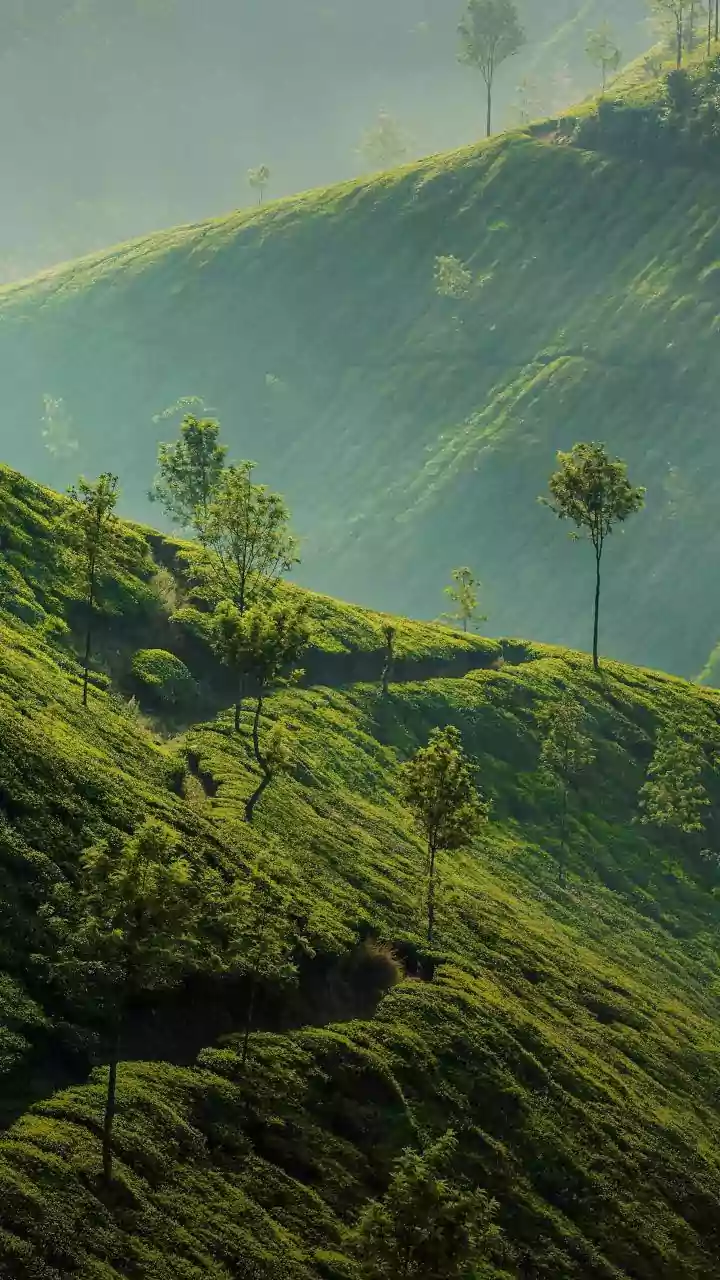
Perhaps the most compelling reason to travel post-monsoon is the dramatic transformation of the landscape. The drive from Mysuru takes you from the relatively lush southern parts of Karnataka into the drier, boulder-strewn terrain of the Deccan Plateau. During the post-monsoon months, this entire stretch is reborn. The arid landscapes around Chitradurga and Hampi, known for their rocky outcrops, are temporarily carpeted in fresh greenery. The rains fill the region's lakes and rivers, and the countryside bursts with life. You will drive past vibrant paddy fields, plantations, and farmlands that are at their most picturesque. This lushness provides a stunning visual contrast to the ancient, rugged stone architecture that awaits at your destination, making the journey itself a significant part of the experience.
The Route and Road Conditions
The drive from Mysuru to Hampi covers a distance of roughly 400 to 450 kilometres, typically taking between 7 to 9 hours depending on the chosen route and stops. A popular route goes via Srirangapatna, Hiriyur, and Chitradurga before reaching Hospet, the main town near Hampi. While monsoons can wreak havoc on Indian roads, creating potholes and causing closures, the post-monsoon period often sees roads in better condition. Maintenance work is frequently carried out after the rains cease, resulting in smoother drives on major highways like the NH48 that forms part of the journey. While some rural roads might still show signs of wear, the main arteries connecting these major tourist hubs are generally well-maintained, allowing for a steady and comfortable pace. This reliability is crucial for long-distance travel, ensuring you can focus on the scenery rather than worrying about damaging your vehicle.
Must-See Stops Along the Way
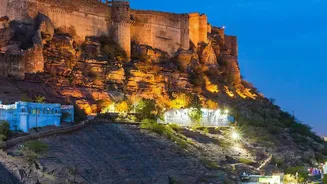
A road trip is as much about the journey as the destination, and this route is dotted with worthy detours. Near Mysuru, you can explore Srirangapatna, the historic island capital of Tipu Sultan. However, the crown jewel of this route is the magnificent Chitradurga Fort, located about midway through the trip. This sprawling, seven-walled fortress is a destination in itself, with its impressive stone walls, temples, and viewpoints. The cooler post-monsoon weather makes exploring its vast grounds on foot a far more pleasant task than it would be in the summer heat. As you approach Chitradurga, you will also notice the landscape dotted with windmills, adding a modern, almost surreal touch to the ancient terrain, especially when set against a green, post-monsoon backdrop.
Arriving in Hampi: Perfect Exploration Weather
The benefits of post-monsoon travel culminate upon your arrival in Hampi. The UNESCO World Heritage site is a massive open-air museum, and exploring its sprawling ruins requires a lot of walking. The pleasant weather from October to February makes this exploration a delight. You can wander through the Vittala Temple complex, climb Matanga Hill for sunrise, or stroll through the Hampi Bazaar without the risk of sunstroke or a sudden downpour. The Tungabhadra River, which flows through Hampi, is full and majestic after the rains, and the surrounding landscape remains green and beautiful. This comfortable climate allows you to fully immerse yourself in the history and atmosphere of the once-mighty Vijayanagara Empire, turning a great trip into an unforgettable one.