






The Problem with a Desk Job
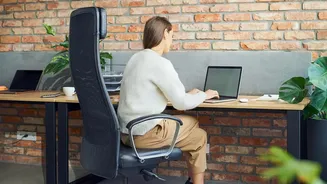
For millions of professionals across India, the modern workday is defined by long hours spent in a chair. This prolonged sedentary behaviour is increasingly linked to a host of health concerns, including back pain, poor posture, weight gain, and even
a higher risk of heart disease and diabetes. While a trip to the gym is beneficial, studies show that a single bout of exercise often isn't enough to counteract the negative effects of sitting for eight or more hours a day. The real challenge is not just to exercise more, but to sit less and move more throughout the entire day. This is where a crucial metabolic process comes into play.
Understanding NEAT
NEAT stands for Non-Exercise Activity Thermogenesis, a term for the energy your body uses for everything except sleeping, eating, and formal exercise. It includes all the calories you burn from small, everyday movements like walking to the water cooler, fidgeting in your chair, carrying groceries, or even just standing up. While each individual movement may seem trivial, their cumulative effect on your daily energy expenditure can be substantial. Research has shown that the amount of NEAT can vary by up to 2,000 calories per day between two people of the same size. Essentially, NEAT is the energy of an active life, and low levels of it are strongly associated with obesity.
How Standing Desks Boost NEAT
This is where standing desks enter the picture. By simply getting you on your feet, a standing desk directly interrupts a sedentary state. Standing burns more calories than sitting. But the main benefit isn't just about standing still; it's about enabling movement. When you're standing, you're more likely to shift your weight, stretch your legs, pace while on a phone call, or walk over to a colleague's desk instead of sending an email. All these small, often subconscious, movements contribute directly to your daily NEAT outflow. By making standing the default, these desks create an environment that encourages constant, low-level activity that sitting naturally suppresses.
More Than Just Burning Calories
The benefits of elevating your NEAT with a standing desk go beyond calorie burn. Users frequently report reduced back pain, as standing encourages better posture compared to the slouching that often accompanies long hours in a chair. Increased blood flow and small muscle adjustments can also lead to a boost in energy and focus, helping to combat the dreaded mid-afternoon slump. Some studies have even pointed to improved mood and overall job satisfaction, as employees feel more dynamic and less physically stagnant throughout their workday.
Using Your Standing Desk Correctly
A standing desk isn't a magic solution; it's a tool that must be used correctly. The key is to alternate between positions. Experts advise against standing all day, which can cause its own set of fatigue and discomfort. Instead, aim to switch between sitting and standing every 30 to 60 minutes. Proper ergonomics are also vital. Your desk should be positioned at elbow height, with your screen at eye level to avoid neck strain. Wearing supportive shoes or using an anti-fatigue mat can significantly enhance comfort and reduce strain on your joints.
Beyond the Desk Itself
A standing desk is a fantastic catalyst for increasing NEAT, but the mindset it fosters is just as important. You can amplify the benefits by adopting other NEAT-boosting habits. Try incorporating walking meetings for discussions that don't require a screen. Always opt for the stairs instead of the elevator. Set a timer to remind yourself to get up, stretch, and walk around for a few minutes every hour. Even simple habits like pacing while on the phone or washing your lunch containers by hand can contribute to a more active day.