




The Samosa We Love and Fear
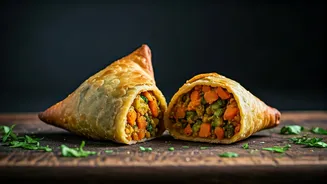
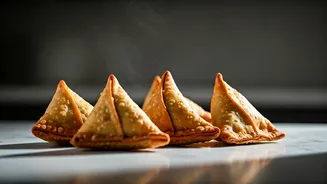
There are few things more comforting than breaking into a perfectly triangular, golden-brown samosa. The crackle of the pastry gives way to a steaming, aromatic filling of spiced potatoes and peas. It’s a snack that’s woven into the fabric of Indian life,
from rainy day cravings to festive celebrations. But with this great love comes a great concern: the oil. Traditional samosas are deep-fried, and while this method is responsible for their signature texture, it also means they soak up a significant amount of fat. A single samosa can pack a surprising number of calories, turning a simple snack into a heavy indulgence. This often relegates our favourite treat to a ‘once in a while’ category, enjoyed with a side of remorse.
The Magic of Modern Kitchens
The solution to this greasy dilemma doesn't lie in giving up samosas, but in rethinking how we cook them. Enter the air fryer, the kitchen appliance that has revolutionised guilt-free cooking. An air fryer doesn't actually 'fry' at all. Instead, it functions as a powerful, compact convection oven. It rapidly circulates superheated air around the food, creating a crisp, golden-brown exterior that brilliantly mimics the texture of deep-frying, but with a fraction of the oil. We’re talking about using a single teaspoon of oil for an entire batch of samosas, instead of cups of it. This technological wizardry allows us to reclaim snacks that were once on the 'unhealthy' list, transforming them into everyday possibilities.
How to Craft the Perfect Low-Oil Samosa
Making air-fried samosas is surprisingly simple. The filling remains the star, so prepare your classic potato, pea, paneer, or keema mixture just as you always would. The magic happens with the cooking process. For the wrapper, you can use store-bought spring roll sheets for a super thin, crispy shell, or make a simple dough from whole wheat flour for a more wholesome version. Once you’ve shaped your samosas, the key is to brush them very lightly with oil—a pastry brush works perfectly. This tiny amount of oil is what helps the surface become golden and crisp. Arrange them in a single layer in your air fryer basket, ensuring they aren’t crowded. Cook at around 180°C for 15-20 minutes, flipping them halfway through, until they are golden and you can hear the crispiness.
Air Fryer vs. Oven: The Showdown
No air fryer? No problem. A standard oven can also produce excellent, low-oil samosas. The process is nearly identical: prepare and shape your samosas, brush them lightly with oil, and place them on a baking sheet lined with parchment paper. Bake in a preheated oven at around 200°C for 20-25 minutes, or until golden and crisp, flipping them once during cooking. So, which method is better? The air fryer is typically faster and produces a result that is closer to the texture of a deep-fried samosa due to the intense, concentrated airflow. The oven, however, can handle a much larger batch at once and is an appliance most people already own. Both methods are a massive leap forward from the bubbling pot of oil, dramatically cutting down the fat content.
A Note on Taste and Texture
Let’s be honest: an air-fried or baked samosa will not taste identical to the one from your favourite street vendor. The deep-fried version has a specific richness and a slightly bubbled, flaky texture that comes from being fully submerged in hot oil. The healthier version is different, but delicious in its own right. You get a clean, pronounced flavour from the filling without the overwhelming taste of oil. The shell is incredibly crispy—more of a 'crunch' than a 'flake'—and the entire experience feels lighter and more refreshing. It’s not a replacement, but an evolution. Think of it as the samosa you can eat on a Tuesday night without a second thought.