



Embrace Vertical Space
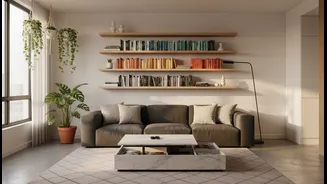
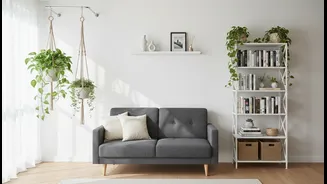
When floor space is at a premium, the only way to go is up. Using your walls is one of the most effective strategies for organising a compact home. Think tall, narrow bookcases that draw the eye upward and hold more than a wide, short unit. Floating shelves
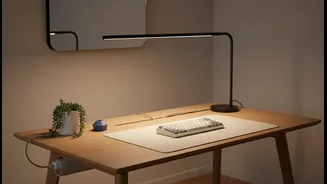
are another excellent choice for displaying decor or storing books without a bulky footprint. Consider installing pegboards in your kitchen for utensils or in your home office for supplies. This approach frees up valuable floor and counter space, making your home feel larger and less cluttered.
Invest in Multifunctional Furniture
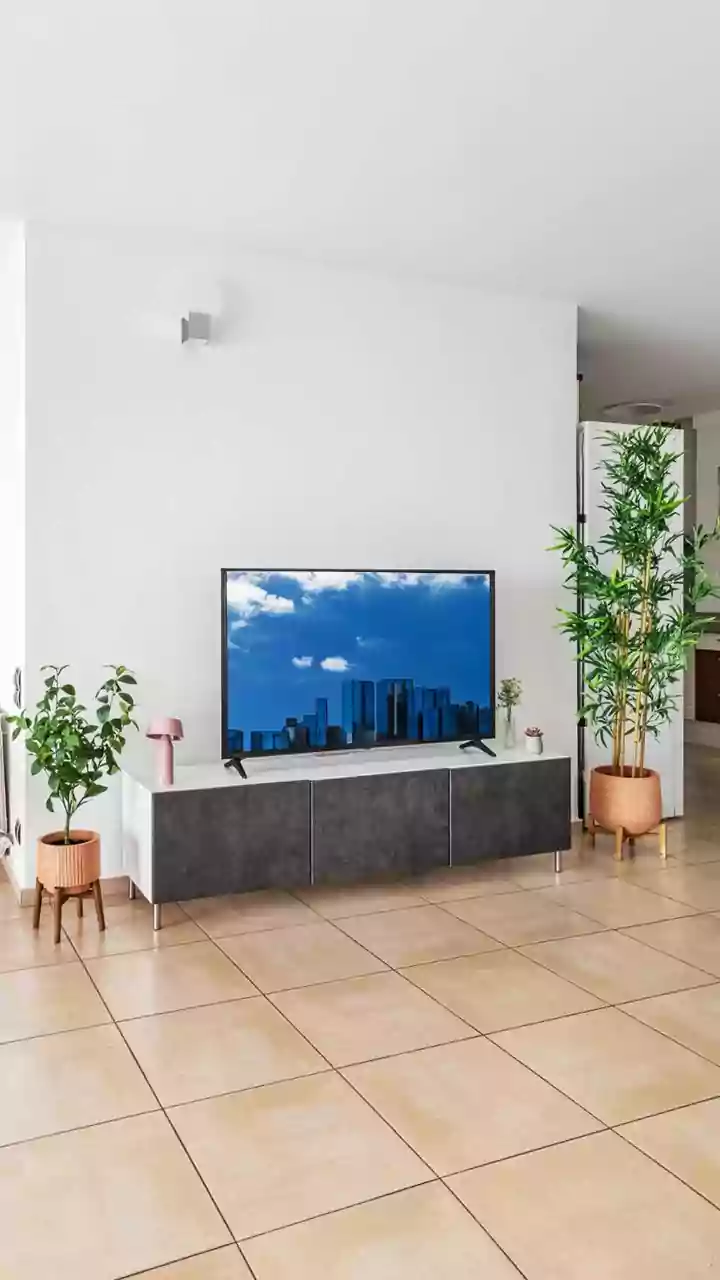
Every piece of furniture should earn its place in a small home. Multifunctional furniture is a game-changer for busy professionals. A sofa bed can transform your living room into a guest room in seconds. A storage ottoman can hide away blankets, magazines, or electronics while also serving as extra seating or a coffee table. An extendable dining table allows you to host friends without permanently sacrificing space. Even a TV stand can serve double duty as a credenza with hidden storage for linens or electronics, keeping visual clutter to a minimum.
Designate a Home for Everything
Clutter often happens when items don't have a designated spot. The simple habit of assigning a 'home' to everything you own is transformative. Your keys, for example, should always go on a specific hook or in a bowl by the door. This simple system prevents the frantic morning search. When you bring something new into your home, decide immediately where it will live. This principle applies to everything from mail and shoes in the entryway to remote controls in the living room. It takes a little effort upfront but saves you countless hours of tidying up later.
Adopt the 'One-In, One-Out' Rule
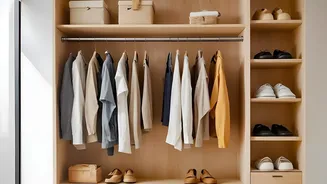
To prevent accumulation, especially in a compact space, adopt a strict 'one-in, one-out' policy. This is a simple but powerful rule: for every new item you bring into your home, a similar item must leave. Buying a new pair of shoes? It's time to donate or toss an old pair. This mindset forces you to be more conscious of your purchases and prevents your wardrobe and cupboards from overflowing. It’s a low-effort way to maintain equilibrium and keep clutter from building up over time.
Schedule a 15-Minute Daily Tidy
The thought of a massive weekend clean-up can be overwhelming and easily postponed. Instead, build a small, manageable habit into your daily routine. Set a timer for just 15 minutes each evening and do a quick sweep of your space. This isn't about deep cleaning; it's about maintenance. Put away the book on the coffee table, hang up your coat, wipe down the kitchen counter, and sort any mail. This small, consistent effort, sometimes called 'soft decluttering,' prevents small messes from turning into big projects and keeps your home in a constant state of ready-for-anything calm.
Digitise Your Paper Clutter
Paper is one of the biggest sources of clutter in any home. For a busy professional, bills, receipts, and documents can pile up quickly. Take a few minutes each week to tackle what experts call 'digital clutter'. Scan important documents and receipts and save them to a cloud service. Switch to paperless billing for all your utilities and subscriptions. Unsubscribe from physical junk mail and catalogues. Reducing the flow of paper into your home is a huge step toward a cleaner, more organised, and modern living space.