





Which Vande Bharat Trains Are Affected?
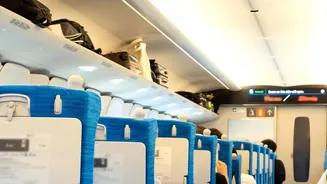
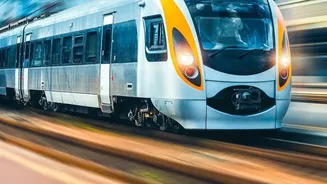
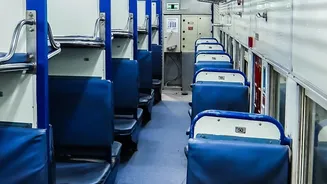
This new catering initiative is currently a pilot project limited to three specific Vande Bharat sleeper train routes. The services where passengers will experience the revised menu are the New Delhi-Varanasi Junction, Howrah-Kamakhya (Guwahati), and Mumbai-Bengaluru
lines. The Indian Railway Catering and Tourism Corporation (IRCTC) is evaluating passenger feedback from this trial period. If the response is positive, this 'less is more' approach to onboard dining could be expanded to a wider network of long-distance and premium trains in the future.
The 'Less Is More' Philosophy
The core reason for this change is a direct response to passenger feedback and recurring complaints about food quality, hygiene, and consistency on long-distance journeys. Railway officials noted that preparing an elaborate menu with numerous items posed operational challenges in the limited space and time available in pantry cars. By reducing the number of dishes served in a single meal from a spread of eight to ten items down to a more manageable four, IRCTC aims to improve monitoring and ensure each component meets a higher standard of quality. This approach, similar to the service model used by airlines, allows catering staff to focus on the freshness and preparation of a few core dishes rather than managing a wide variety.
What's On the New Menu?
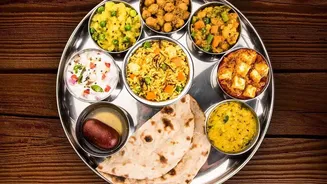
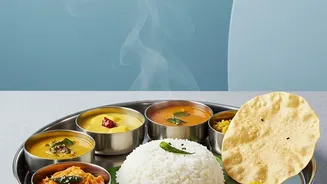
The trimmed menu prioritises core meal components while removing several accompaniments. For breakfast, options have been streamlined to choices like idli and vada with sambar, poha, or upma. Items such as soup, egg omelettes, sandwiches, buttermilk, and chocolates have been removed from the breakfast tray. For lunch and dinner, the meal will now consist of chapati, rice, dal, and one main dish, which can be a vegetable or chicken preparation. Side dishes like a dry vegetable, curd, salad, pickle, and sweets, which were previously part of the platter, will no longer be served. Consequently, the total weight of a meal has been reduced from approximately 700-750 grams to about 450-500 grams, though IRCTC officials have stated that the portion size of the main items remains unchanged.
A New Catering Approach
To ensure this new focus on quality is successful, IRCTC is also changing its procurement strategy. Instead of relying on traditional railway vendors, the meals for this pilot project are being prepared by major cloud kitchens and established hospitality groups known for supplying airlines and hotels. For instance, IRCTC has partnered with the Mayfair Group for the Kamakhya line, TajSATS in Howrah, and the Sarovar Portico Group for the other routes. This collaboration aims to bring a higher level of consistency and quality to train catering. Early reports from IRCTC's West Zone have already indicated a 10% drop in catering-related complaints since the new arrangements began.
What This Means for Passengers
For travellers on these three routes, the most immediate change is a simpler meal tray. While the variety of side dishes is gone, the promise is a better-tasting and more hygienic main course. It's important to note that passengers can still opt out of meals altogether when booking their tickets. As this is a pilot project, the menu and service are subject to change based on customer feedback. There are already discussions about incorporating more regional specialities, such as puran poli and zunka bhakar, on the Mumbai-Bengaluru route in response to passenger requests for more local cuisine. Passengers are encouraged to check their meal preferences during the booking process and can expect further refinements as IRCTC analyses the results of this trial.