


Why Go Soy-Free?
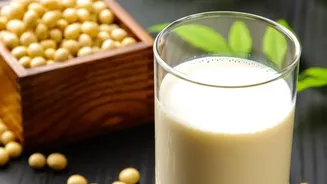
While soy is a popular plant-based protein, it's not for everyone. Some people have soy allergies or sensitivities that can cause digestive issues or other inflammatory reactions. Others may choose to limit soy for personal dietary preferences or hormonal
health reasons. The good news is that avoiding soy doesn't mean sacrificing your protein goals. Many of the most powerful protein sources in a vegetarian diet are naturally soy-free and have been staples in Indian kitchens for centuries.
The Lentil Family (Dal)
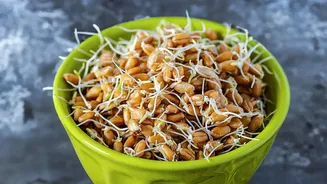
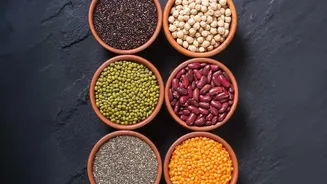
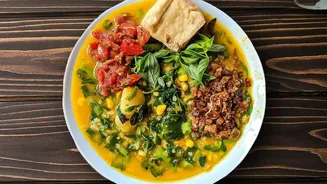
Lentils, or dal, are the foundation of protein intake in most Indian households. They are affordable, accessible, and nutritionally potent. Masoor dal (red lentils) and moong dal (split green gram) are particularly rich in protein, offering about 24-25 grams per 100g (uncooked). A single cooked cup of lentils can provide around 18 grams of protein. Toor (arhar) dal is another daily staple with a similar high-protein profile. Combining dal with rice or roti creates a complete protein, providing all the essential amino acids your body needs.
Chickpeas (Chana) and Kidney Beans (Rajma)
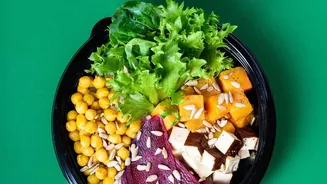
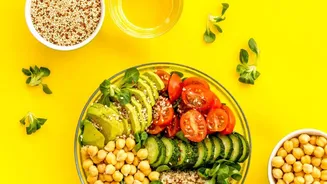
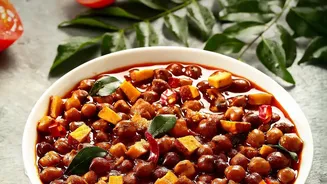
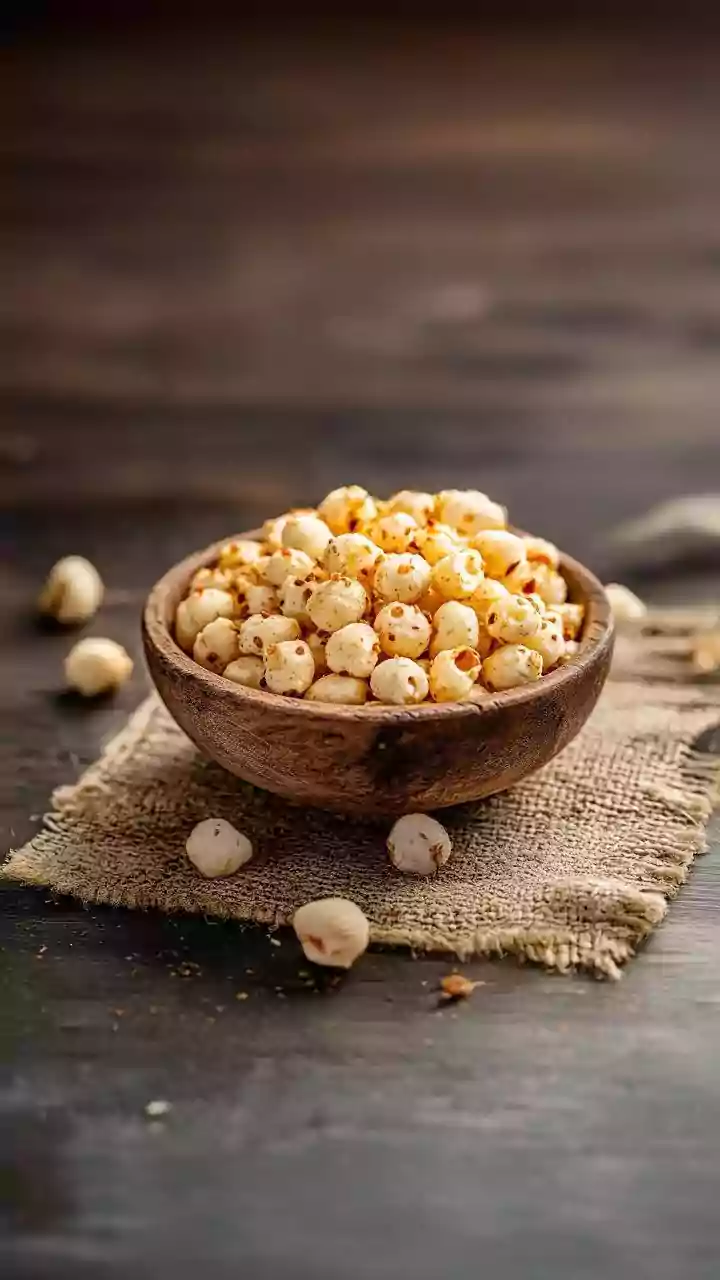
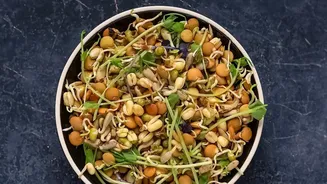
Beyond the daily dal, heartier legumes like chickpeas and kidney beans are protein champions. One cooked cup of chickpeas (chana) provides about 15 grams of protein, making chana masala or a simple chickpea salad a fantastic meal choice. Similarly, a cup of cooked rajma also packs around 15 grams of protein. The classic dish of rajma-chawal is not just comfort food; it's a well-balanced, high-protein meal. Roasted chana also serves as an excellent high-protein snack.
The Power of Peas (Matar)
Often overlooked, green peas (matar) are a significant source of protein. A cup of cooked green peas contains about 5 grams of protein. While that may seem lower than legumes, they are an easy addition to almost any dish, from pulao and upma to sabzis and curries, boosting the overall protein content of a meal. Pea protein is also becoming a popular base for many commercial soy-free protein powders in India because it has a strong amino acid profile.
Nuts and Seeds
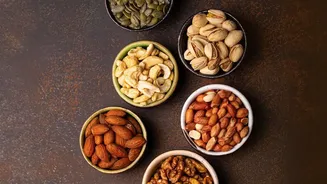
Nuts and seeds are incredibly nutrient-dense, offering a powerful combination of protein, healthy fats, and fibre. Peanuts, which are technically legumes, lead the pack with about 7 grams of protein per small handful (30g). Almonds offer around 6 grams for the same serving size. Seeds are equally impressive. Pumpkin seeds and hemp seeds are protein standouts, providing 9-10 grams of protein per 30g serving. Chia seeds and sunflower seeds are also excellent sources, easy to sprinkle over yoghurt, add to smoothies, or mix into ladoos.
High-Protein Grains and Flours
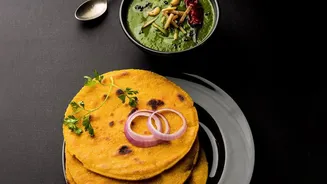
Your choice of grain can also make a big difference in your protein intake. While wheat and rice are staples, incorporating grains like amaranth (rajgira) and quinoa can significantly increase protein. A cooked cup of amaranth contains about 9 grams of protein, while quinoa offers around 8 grams. Furthermore, certain flours are protein powerhouses. Besan (gram flour), made from chickpeas, contains about 6 grams of protein in just two tablespoons. Even more potent is sattu, or roasted gram flour, which provides an impressive 9 grams of protein in a 30g serving.