

A Return to Our Roots
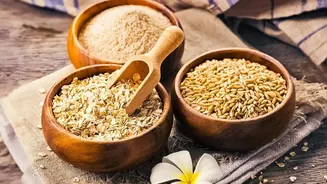
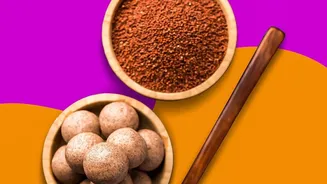
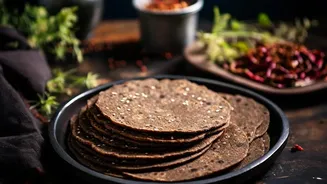
For generations, heritage millets like jowar (sorghum), bajra (pearl millet), and ragi (finger millet) were staples across India. These resilient grains, long overshadowed by wheat and rice, are making a powerful comeback. Recognized for their incredible
nutritional profile, millets are naturally gluten-free, rich in fibre, and packed with essential minerals like iron, calcium, and magnesium. Their low glycemic index also makes them an excellent choice for managing blood sugar levels. But the real secret to their growing popularity isn't just health; it's the unique texture and taste they bring to the table.
More Than a Healthy Swap
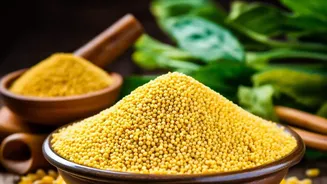
The key to embracing millets is to stop thinking of them as a mere substitute for wheat or maida. Each millet has a distinct personality and flavour profile that can elevate a dish in its own right. Jowar, for instance, is mild and slightly earthy, making it a versatile and gentle starting point. Bajra offers a more robust, nutty, and bold flavour, while ragi is known for its dense texture and earthy, slightly malty taste. Foxtail millet is the most neutral and mild, easily adapting to any recipe. By choosing the right millet, you're not just making a snack healthier; you're adding a new layer of complexity and taste.
Mastering Millet Baking
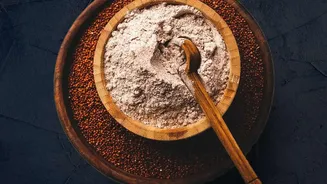
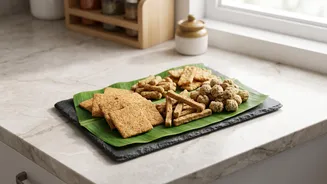
Baking with millet flours requires a slight adjustment in technique, but the results are well worth it. Because they are gluten-free, millet flours create a more delicate, crumbly texture. This is perfect for snacks where a light, crisp bite is desired. For baked mathris or savoury biscuits, combining jowar flour with a small amount of another flour can yield a wonderfully flaky result. Ragi flour, with its rich flavour, adds depth to savoury cakes and muffins. A key tip is that millet flours are thirsty; they absorb more liquid than wheat flour, so you may need to adjust the water or yoghurt in your recipe. Don't be afraid to let the dough or batter rest for a few minutes to fully hydrate. For goods that need structure, combining millet flour with a binder like psyllium husk or even a little all-purpose flour can provide the needed support without sacrificing the millet's flavour.
The Art of a Crispier Fry
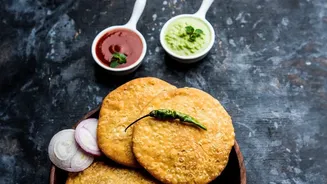
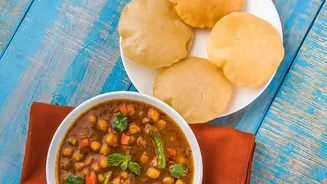
When it comes to frying, millets are a game-changer. Their inherent texture creates a coating that is exceptionally crispy and crunchy. Using millet flour as a dredge for pakoras, vadas, or cutlets results in a golden-brown crust that stays crisp longer. Bajra flour, when mixed with spices to make vadas or puris, fries up into a beautifully textured snack that is both hearty and delicious. One of the advantages of using millet flours for frying is their potential to absorb less oil than more refined flours, creating a lighter, less greasy final product. For an extra crunchy coating on items like chicken strips or fish, a mix of millet flour and a bit of rice flour works wonders. The slightly nutty flavour of the millet adds a savoury depth that plain flour simply cannot match.
Classic Savouries Reimagined
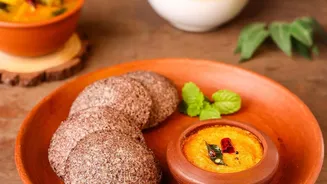
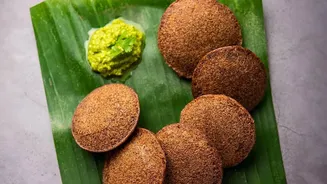
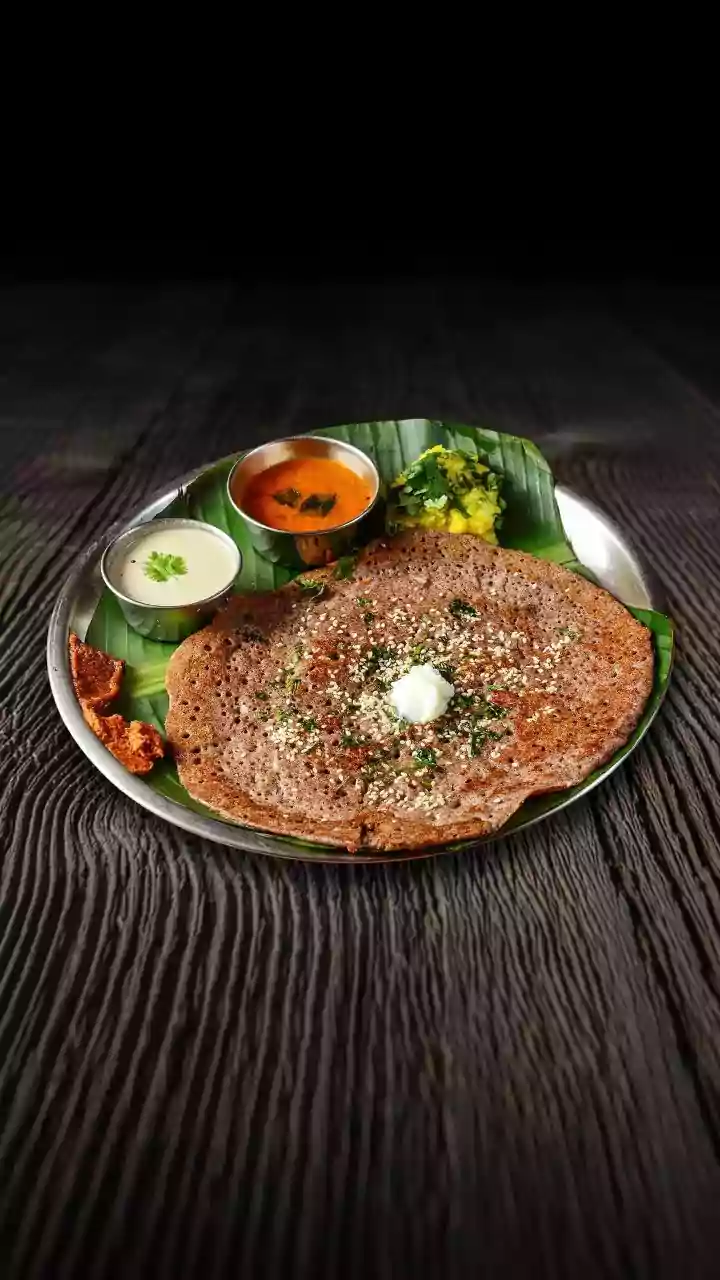
Putting this into practice is simple. Reimagine a classic chakli by using a blend of jowar and rice flour for a lighter, crispier texture. Instead of traditional besan, try making pudlas or chillas with bajra or ragi flour for a more nutritious and flavourful breakfast. Bajra methi puris are a classic winter snack for a reason; the nutty millet perfectly complements the bitterness of the fenugreek. For a South Indian touch, crispy dosas can be made with fermented millet batter, offering a delightful tang and a healthier profile than those made with just rice. Even simple onion pakoras can be transformed with a coating of mixed millet flours, making them crunchier and more satisfying.