


The Power of 'Andaaz'
In India, we have a beautiful concept called 'andaaz'—an estimation or intuition that guides an experienced cook. It’s the pinch of spice, the splash of water, and the feel of the dough that comes from practice, not a measuring cup. Learning to read visual
cues is the first step toward developing your own andaaz. It liberates you from rigid recipes and allows you to cook with confidence, no matter the kitchen. By tuning into your senses, you're not just following instructions; you're having a conversation with your food. This makes you a more adaptable, creative, and ultimately, more resourceful cook.
Mastering Meats and Paneer
For many, cooking meat, poultry, or even paneer is a source of anxiety. Is it cooked through? Is it safe? While a thermometer is the only surefire way to guarantee safety, especially for poultry which must reach 165°F, visual cues can tell you a lot about texture and flavour. For steaks or lamb, the colour of the juices is a giveaway: red or pink juices mean rare to medium-rare, while clear to light pink juices suggest medium to well-done. For chicken, the outside should be a confident golden-brown and the inside uniformly white, with juices that run completely clear, not pink or rosy. When you slice into it, the flesh should be opaque and firm, not shiny or gummy. The same logic applies to paneer; a perfect sear is about achieving a golden, crisp crust without drying it out.
The Baker's Eye
Baking is often called a science, but it's also an art. Instead of nervously poking your cake with a toothpick, look for these three key signs. First, the edges of the cake will begin to pull away slightly from the sides of the pan, creating a small gap. This shows the outer structure is set. Second, look at the colour and texture. A light-coloured cake, like a vanilla sponge, should be golden brown. A chocolate cake won't change colour as obviously, but its surface will lose its wet shine and appear more matte. Finally, trust your touch. Gently press the center of the cake. If it springs back, it’s ready; if your finger leaves an indent, it needs more time.
Perfecting the Art of Frying
Whether it’s samosas, pakoras, or vadas, the secret to a perfect fry lies in observation. When you first add food to hot oil, it will sizzle violently. As the food cooks and its internal moisture turns to steam, this sizzling will become softer and more consistent. Pay attention to the bubbles; they will become finer and less frantic as the food gets closer to being done. Another key indicator is buoyancy. Most food items will sink when first added to the oil and will then float to the surface as they cook and become lighter. And of course, there's the colour. You're looking for an even, deep golden-brown hue. Once your fried treat has achieved that perfect colour and is floating confidently, it’s likely ready to be drained and enjoyed.
Getting Vegetables Just Right
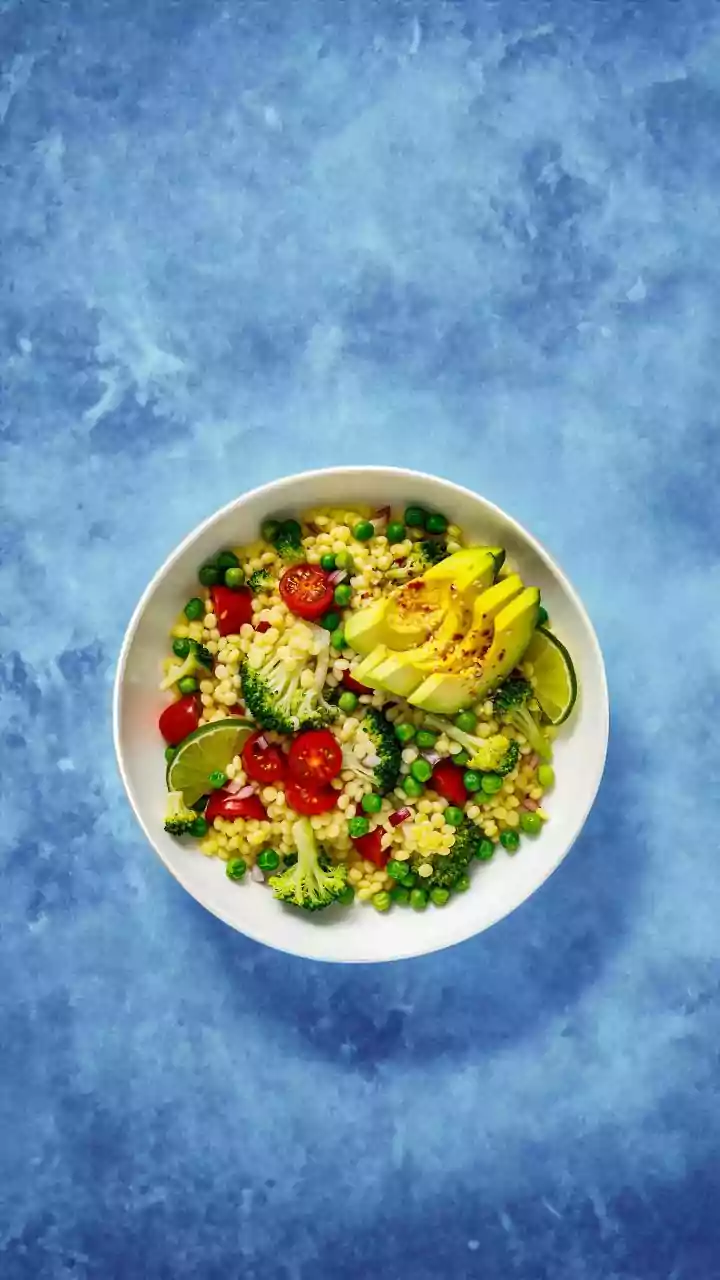
The goal with most vegetables is to cook them until they are tender-crisp—softened, but still retaining a bit of bite and their vibrant colour. For green vegetables like beans or broccoli, their colour will actually become brighter and more intense partway through cooking. If the colour starts to look dull or olive-toned, you’ve gone too far. When roasting vegetables like potatoes or cauliflower, look for caramelization—deeply browned, crispy edges are a sign of developed flavour. For most cooked vegetables, from sabzis to stir-fries, the simplest test is the best: pierce a piece with a fork or the tip of a knife. It should go in with just a little resistance, but not be mushy.
Beyond Visuals: Engaging All Senses
While sight is powerful, don't forget your other senses. Listen to the sizzle in the pan; a loud crackle from meat softens as it cooks through. Smell the air. The aroma of a baking cake becomes more fragrant and 'done' right before it’s ready to come out of the oven. Even the sound of tapping a loaf of bread can tell you if it's cooked; a hollow sound means it's done. Cooking is a multi-sensory experience. The more you pay attention to the sights, sounds, and smells of your kitchen, the more your intuition will grow.