




Monsoon Intensifies Across India
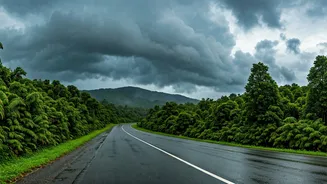
The Southwest Monsoon has officially advanced across large parts of the country, including Himachal Pradesh, Uttarakhand, and states in the Western Ghats like Karnataka and Kerala. An India Meteorological Department (IMD) press release on June 30, 2026,
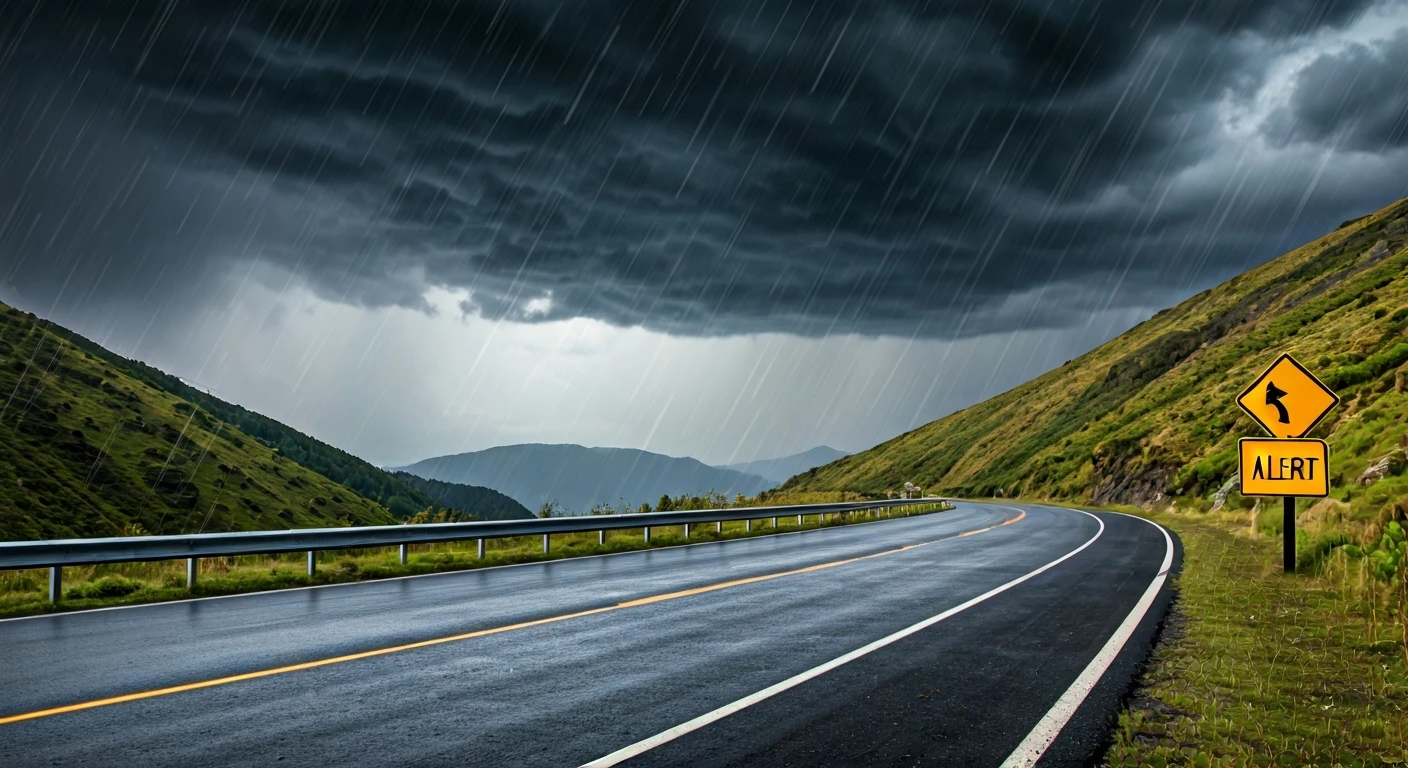
confirmed the monsoon's progress, forecasting widespread and, in some cases, heavy rainfall for the coming days. While pre-monsoon showers had already drawn tourists to places like Shimla for relief from the heat, the intensification of the rain brings a new set of considerations. The IMD has issued alerts for several regions, warning of heavy downpours, thunderstorms, and gusty winds, particularly in popular hill destinations.
Trekking Trails and Forest Entry Restricted
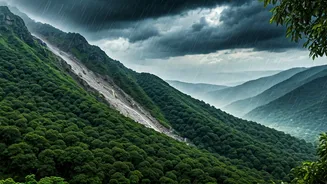
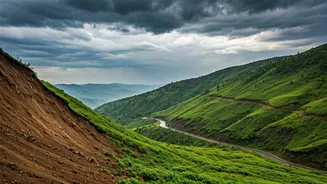
In response to the heavy rains, many state forest departments and local administrations have begun restricting access to popular trekking routes and forest areas. These closures are a standard and necessary safety measure during the monsoon. The primary dangers are not just slippery paths, but also the significant risk of landslides and flash floods, which can occur with little warning. For example, district administrations in the Himalayas and the Western Ghats routinely issue orders banning or regulating trekking on high-risk trails known for steep gradients or paths that cross seasonal streams. Many trekking routes in the Western Ghats are often closed during the monsoon to prevent accidents and allow the fragile ecosystem to recover.
Understanding the Risks
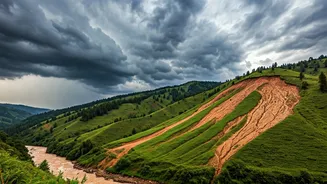
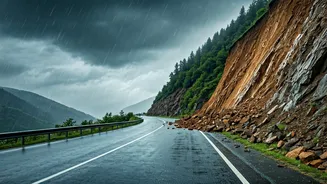
While the sight of lush green valleys and roaring waterfalls is tempting, monsoon trekking carries inherent risks that should not be underestimated. Heavy rainfall saturates the soil, dramatically increasing the chance of landslides on steep slopes. Trails can become dangerously slippery, especially on rocky sections common in the Sahyadris and Himalayas. Flash floods are another serious threat; a stream that is easy to cross in the morning can become an impassable torrent after a few hours of rain upstream. Visibility can also drop suddenly due to mist and fog, making navigation difficult and increasing the chance of getting lost. Authorities implement these temporary bans not to spoil plans, but to prevent tragedies.
How to Adjust Your Travel Plans
If you have a trip planned to a hill station, being flexible is key. First, always check the latest weather forecasts from the IMD and heed any warnings. Before you leave, contact your hotel or local tour operators to ask about ground conditions and any local restrictions. Many forest department and district tourism websites now provide real-time updates on trail closures. It is also wise to build extra time into your itinerary to account for potential road closures or travel delays. Having a backup plan, perhaps exploring a safer, less remote area, can ensure your holiday isn't entirely washed out.
Safer Ways to Enjoy the Monsoon
A change of plans doesn't mean you have to cancel your trip. The monsoon can be enjoyed safely. Consider swapping a high-altitude trek for a gentler, well-paved trail at a lower elevation. Many fort treks in Maharashtra, for instance, have gradual, stone-paved paths that are considered safer during the rains. Alternatively, focus on enjoying the destination itself. Stay at a secure resort with a scenic view, explore the local town and its markets, or visit accessible viewpoints and waterfalls that don't require venturing into dense forests. Some regions even keep certain parts of national parks, like designated eco-tourism camps, open for visitors to experience the rainy season's beauty without the risks of deep jungle safaris.