




From Unorganised to Unforgettable
For generations, mukhwas has been a staple of Indian hospitality, a simple blend of seeds and spices to aid digestion and freshen breath. Typically sold by local vendors or in simple plastic pouches, the industry has remained largely unorganised, with
little emphasis on branding or ingredient transparency. While beloved, the traditional offerings often came with brightly coloured, sugar-coated fennel seeds and other additives that a growing segment of health-conscious consumers now seeks to avoid. This created a clear market gap that savvy entrepreneurs, often inspired by their own family traditions, decided to fill. They saw an opportunity to take a culturally significant product and elevate it for the modern palate, much like how artisanal coffee and craft chocolate have redefined their respective categories.
The New Guard of Flavour
Leading this charge are entrepreneurs like Vaishali and Yash Mehta, the husband-and-wife team behind the D2C brand JoySpoon. Inspired by Vaishali's grandmother's homemade recipes, they set out to create a premium, clean-label alternative. Their brand focuses on low-sugar, supari-free (areca nut-free), and all-natural mukhwas. By reducing sugar content by up to 60% and using healthier alternatives like jaggery, they cater directly to consumers who read labels and care about what they eat. Their story, which includes a memorable pitch on Shark Tank India, highlights a common mission among these new brands: to combine tradition with innovation, creating a product that is both nostalgic and forward-thinking.
A Health-Conscious Crunch
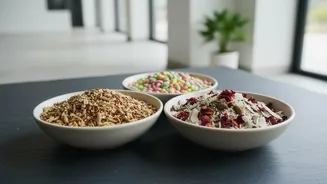
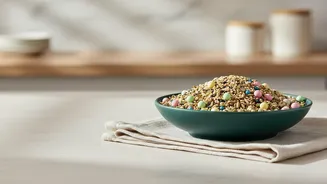
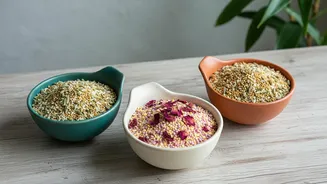
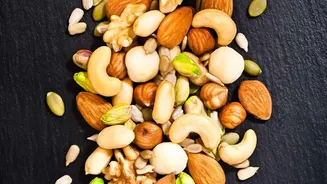
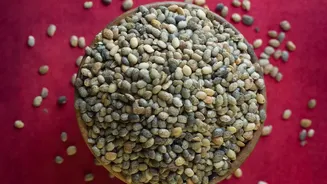
The core of this revolution lies in the ingredients. The headline's promise of roasted seeds and extracts is central to the appeal. Instead of just fennel, these new blends feature a medley of roasted seeds like flax, pumpkin, sunflower, and watermelon. Roasting enhances the nutty flavours and provides a satisfying crunch. Brands like Roastway Foods and Satmya explicitly market their products based on these power-packed seeds, highlighting their natural protein, fibre, and antioxidant content. This shift turns the after-meal digestive into a guilt-free snack. The focus is on natural benefits, such as using ajwain (carom seeds) for digestion and mint for freshness, without relying on artificial colours, flavours, or preservatives. Many, like Satmya, pride themselves on being free of refined sugar and using traditional sweeteners like rock sugar (dhaga mishri).
Crafting a Modern Identity
This reinvention extends beyond the ingredients to the entire brand experience. Gone are the generic plastic pouches. In their place are sleek, minimalist jars and sophisticated packaging designed to appeal to younger, urban consumers. Brands like JoySpoon and Amawat are investing heavily in creating a strong brand identity through clean design and active social media marketing. The goal is to position mukhwas not just as a digestive aid but as a lifestyle product. New-age brand Eatsome, for example, is creating city-inspired flavours like Calcutta Paan to connect with millennials and Gen Z, bringing a sense of place and story to their products. By building a national, and even global, presence online, these entrepreneurs are taking a hyperlocal product to a much wider audience.