




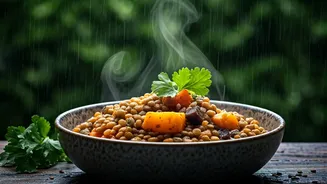


The Monsoon Digestive Challenge
The monsoon season brings welcome relief from the summer heat, but it also brings a damp, humid environment that can affect our bodies. According to Ayurveda, this is a time when our 'agni,' or digestive fire, is naturally weaker. The body's metabolism
slows down, and our ability to break down food efficiently is reduced. This is why many people experience issues like bloating, gas, and indigestion more frequently during these months. Eating raw foods, which are inherently harder for the body to process than cooked ones, can put extra strain on an already sluggish digestive system. Raw sprouts, despite being nutritious, are considered 'heavy' and can aggravate the Vata dosha, which is dominant during the rainy season, leading to discomfort.
The Hidden Risk in Raw Sprouts
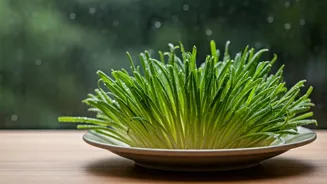
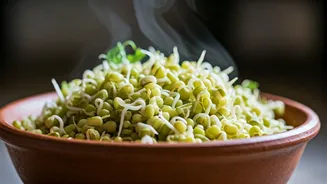
Beyond the digestive strain, there is a more significant food safety concern with raw sprouts, especially during the monsoon. Sprouts are germinated in warm, moist conditions—the exact same environment that harmful bacteria like E. coli and Salmonella love to thrive in. The seeds themselves can be contaminated, and the sprouting process can multiply the bacteria to dangerous levels. During the monsoon, the increased humidity in the air provides an even more favourable breeding ground for these pathogens. Consuming raw sprouts that are contaminated can lead to severe food poisoning, with symptoms ranging from stomach cramps and diarrhoea to fever and vomiting. While you can take precautions by sourcing high-quality seeds and sprouting them at home, the risk is never entirely eliminated.
Cooking: The Simple Safety Solution
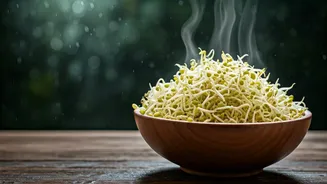
The most effective way to eliminate the risk of bacterial contamination is to cook the sprouts. Heat is a powerful tool against germs. Even a brief period of cooking, such as steaming or light stir-frying, is enough to kill any harmful bacteria that might be present. This simple step transforms your sprouts from a potential health risk into a safe and wholesome meal. It gives you the peace of mind to enjoy their benefits without worrying about foodborne illnesses, which are generally more prevalent during the rainy season due to contaminated water and food sources. For this reason alone, nutritionists and food safety experts universally recommend cooking sprouts before consumption, particularly for children, pregnant women, the elderly, and anyone with a compromised immune system.
Unlocking Better Nutrition
Many believe that cooking destroys all the nutrients in food. While it's true that some heat-sensitive vitamins, like Vitamin C, may be slightly reduced, cooking can actually enhance the nutritional value of moong sprouts in other ways. Raw sprouts contain compounds known as 'anti-nutrients,' such as phytic acid and lectins. These substances can bind to minerals like iron, zinc, and calcium in the digestive tract, preventing your body from absorbing them properly. The cooking process helps to break down these anti-nutrients significantly. This means that when you eat cooked sprouts, you are likely absorbing more of their valuable minerals. So, while you might lose a small amount of one vitamin, you gain better access to a whole range of essential minerals.
How to Cook Sprouts the Right Way
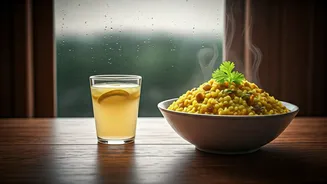
Opting for cooked sprouts doesn't mean you have to eat a mushy, overcooked sabzi. The key is to cook them lightly to preserve their texture and most of their nutrients while ensuring safety. Steaming is an excellent method. Simply steam the sprouts for 5-7 minutes until they are slightly tender but still have a bite. Another great option is to sauté or stir-fry them. Heat a little oil or ghee in a pan, add some cumin seeds, ginger, and turmeric, and then toss in the sprouts. Cook for just a few minutes, season with salt and a squeeze of lemon juice, and you have a delicious, safe, and easily digestible dish. You can add them to poha, upma, or turn them into a warm salad with chopped onions and tomatoes.