




From 'Grandma's Grain' to Urban Superfood
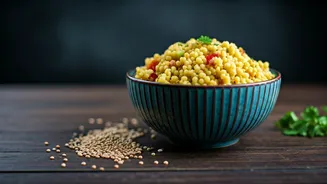
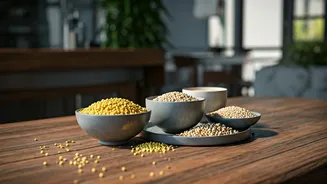
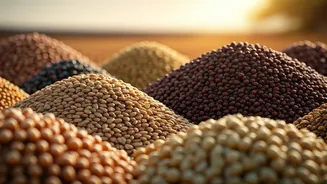
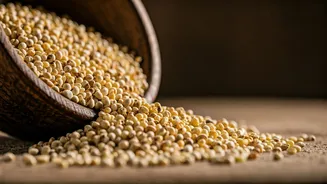
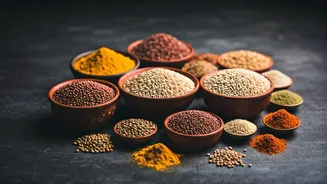
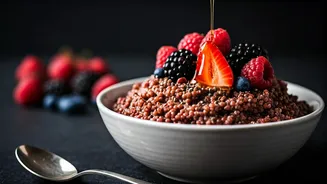
For generations, ragi, or finger millet, was a staple in Indian households, often consumed as a humble porridge (ragi malt) or dense bhakris. [11, 23] It was the food of our grandparents—dependable and nutritious, but perhaps not the most exciting. [9]
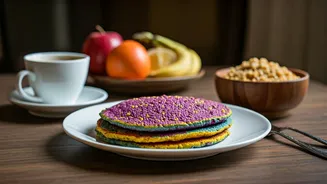
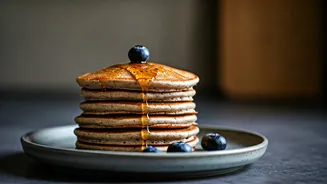
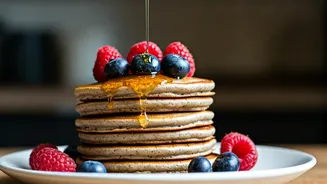
However, a quiet revolution has been brewing in urban kitchens and trendy cafes. Ragi is shedding its rustic image and stepping into the spotlight in a form everyone loves: pancakes. [14] This isn't just about a new recipe; it's a cultural shift. As health consciousness grows, Indians are looking back to their roots and rediscovering ancient grains. [11, 16] Millets, once dismissed as 'poor man's food' after the Green Revolution favoured rice and wheat, are now celebrated as 'superfoods'. [9, 16] And the pancake, a universally beloved breakfast dish, is the perfect vehicle for this comeback. [13, 18]
A Nutritional Powerhouse in Every Bite
So, why all the excitement? Ragi isn't just trendy; it's a nutritional titan. It is one of the best plant-based sources of calcium, crucial for bone health and helping to prevent conditions like osteoporosis. [2, 5, 21] In fact, ragi contains significantly more calcium than most other cereals. [4] It's also packed with dietary fibre, which aids digestion, promotes a feeling of fullness to help with weight management, and helps regulate blood sugar levels, making it a great option for individuals with diabetes. [3, 4, 8] Furthermore, ragi is a good source of iron, which is vital for preventing anaemia, and it’s naturally gluten-free, making it an excellent choice for those with celiac disease or gluten sensitivity. [2, 8] It also contains essential amino acids that are often lacking in other grains like rice and wheat. [3, 19]
Making Healthy Delicious: The Ragi Pancake Appeal
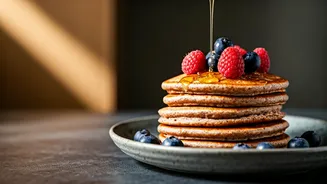
Let's be honest: 'healthy' doesn't always translate to 'delicious'. But this is where ragi pancakes truly shine. The earthy, slightly nutty flavour of ragi flour pairs wonderfully with a variety of ingredients. A common way to make them is by mixing ragi flour with a mashed ripe banana for natural sweetness, which reduces the need for refined sugar. [10, 18] You can also add milk or yogurt, a touch of jaggery or honey, and a pinch of cinnamon or cardamom powder to create a flavourful batter. [10, 15] The result is a soft, satisfying pancake that doesn't cause the energy crash associated with refined-flour breakfasts. [18] Served with a drizzle of honey, fresh fruits, or a handful of nuts, ragi pancakes are a guilt-free indulgence that keeps you energised for hours. [15, 18]
An Ancient Grain for a Modern World
Ragi's history in India is thousands of years old, with evidence of its consumption dating back to ancient civilisations. [23, 27] It has long been a staple in states like Karnataka, where dishes like Ragi Mudde are central to the cuisine. [20, 22] For a long time, it was pushed to the margins, but its comeback is driven by more than just nutritional science. [9, 25] Ragi is a climate-resilient crop, requiring significantly less water than rice and being hardy enough to grow in poor soil without heavy reliance on pesticides. [9, 16, 19] In an era of climate change and a renewed focus on sustainable agriculture, millet cultivation is being encouraged by farmers and policymakers alike. [19] Choosing ragi is not just a good decision for your body; it's a vote for a more sustainable food future.