




The Hangzhou High-Water Mark
To understand the scale of the challenge, we must first appreciate the achievement. In 2023, India crossed the 100-medal threshold for the first time in its Asian Games history, finishing with 28 gold, 38 silver, and 41 bronze medals. This monumental
haul was not a fluke but the result of years of investment and a clear strategy. The performance shattered the previous record of 70 medals set in 2018, signifying a giant leap forward. India finished fourth overall, solidifying its position as a rising continental power behind the traditional heavyweights China, Japan, and South Korea. The success was broad-based, with medals coming from a wide range of disciplines, proving that the nation's sporting prowess is no longer confined to a few traditional strongholds.
Athletics and Shooting: The Twin Engines
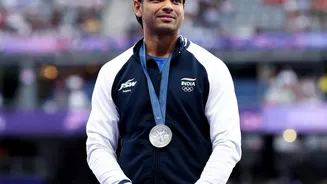
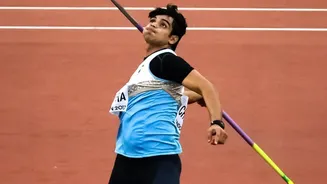
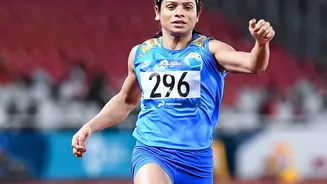
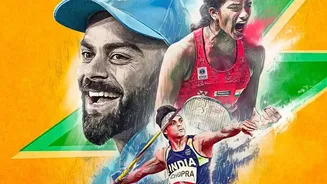
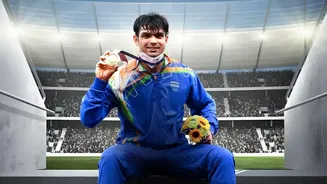
Any hope of surpassing the 107-medal mark rests on the shoulders of two key sports: athletics and shooting. In Hangzhou, these two disciplines alone contributed a staggering 51 medals. Athletics led the charge with 29 medals, including six golds, showcasing India’s growing dominance on the track and in the field. From Neeraj Chopra’s javelin gold to Parul Chaudhary's stunning double in distance running, the athletics contingent was a force to be reckoned with. Shooting was equally impressive, delivering 22 medals, seven of which were gold. Young shooters demonstrated world-class precision and nerve, often setting new records in the process. For India to aim higher in 2026, these two sports must not only replicate their success but build upon it.
The Force Multipliers: Archery, Hockey, and Cricket
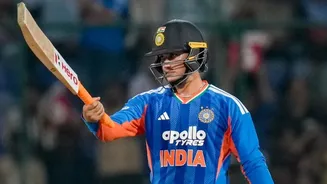
Beyond the top two, India’s strength in archery, hockey, and cricket will be crucial. The archers had a spectacular outing in Hangzhou, sweeping the compound events to return with nine medals, including five golds. The men’s hockey team’s dominant gold-medal run not only secured a spot at the Olympics but also reaffirmed their status as one of Asia's best. Meanwhile, both the men’s and women’s cricket teams clinched gold, adding to the tally as expected. In 2026, these sports are non-negotiable gold medal sources. The performance in squash, which yielded five medals including two golds, and a historic first-ever gold in badminton doubles, also highlights areas where India can consolidate its gains.
The Path to 108 and Beyond
Surpassing the Hangzhou tally will require a multi-pronged effort. Firstly, India must convert more of its silver and bronze medals into golds. While the overall number was high, the 28 golds placed India significantly behind third-placed South Korea. Secondly, there needs to be a concerted push in sports like wrestling and boxing, which had relatively underwhelming campaigns in 2022, returning without a single gold medal. Government initiatives like the Target Olympic Podium Scheme (TOPS) and Khelo India, which have received record funding, are designed to do just that by providing elite athletes with world-class training and support. These programs have been credited with the recent surge in performance and will be vital for nurturing the next generation of champions needed for 2026.
New Faces and New Opportunities
The four years between Games cycles often see the emergence of new stars. While seasoned champions will be expected to lead the way, the Aichi-Nagoya Games will also be a platform for debutants to make their mark. Athletes who were junior prospects in 2023 are now senior contenders. Look for rising stars in athletics, shooting, and badminton to challenge for podium finishes. Furthermore, the 2026 Games will introduce new sports like mixed martial arts and surfing, offering fresh medal opportunities. While India may not be an immediate powerhouse in these disciplines, it presents a chance to expand the country's medal-winning footprint in the long term.