







A New Space Race Begins at Home
India's space programme is entering a transformative era. The long-held monopoly of the Indian Space Research Organisation (ISRO) is making way for a dynamic ecosystem buzzing with private enterprise. This shift was formalized by pivotal government reforms
starting in 2020 and solidified by the Indian Space Policy 2023. This policy framework created a single-window agency, the Indian National Space Promotion and Authorisation Centre (IN-SPACe), to promote and regulate private sector space activities. The goal is no longer just to have a government-led programme, but to foster a thriving commercial space industry. This has led to a surge in startups, with the number growing from a single digit in 2014 to over 400 by 2026. This new domestic space race is not about competition with ISRO, but about collaboration to dramatically expand India's capabilities.
The All-Important Cost to Orbit
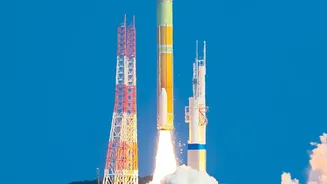
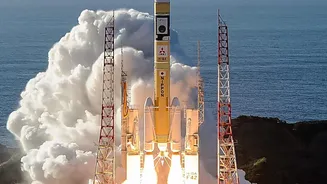
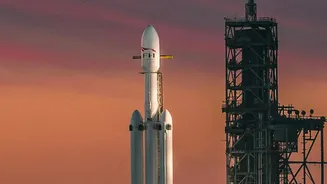
The most immediate impact of private rockets is on the cost and accessibility of launching satellites. Companies like Skyroot Aerospace and Agnikul Cosmos are developing smaller, more agile launch vehicles designed to deploy satellites into Low Earth Orbit on demand. Skyroot's Vikram-1, which successfully completed its first orbital launch, is a prime example. Agnikul’s Agnibaan rocket, featuring a unique 3D-printed semi-cryogenic engine, also successfully completed a sub-orbital test flight. By offering more frequent and affordable launch services, these companies are effectively building a highway to space for a new generation of satellite companies. This is crucial for the deployment of large constellations of small satellites, which are central to modern services like high-speed satellite internet, advanced earth observation, and real-time data analytics.
An Ecosystem of Innovation
The availability of private rockets creates a powerful ripple effect across the entire economy. A reliable and affordable launch capability incentivises investment and innovation in a host of downstream industries. When companies know they can easily launch a satellite, they are more likely to design and build them, and to develop applications that use the data those satellites collect. This stimulates growth in sectors like agriculture, where satellite data can monitor crop health; disaster management, where it can provide critical real-time information; and urban planning. This creates high-skilled jobs not just for rocket scientists, but for software developers, data analysts, and hardware engineers, building a self-sustaining economic engine powered by space technology.
ISRO's New Role: From Player to Coach
The rise of the private sector doesn't sideline ISRO; it strategically redefines its role. The Indian Space Policy 2023 explicitly transitions ISRO's focus away from routine manufacturing and operational launches towards pioneering research and development, deep-space missions, and national security projects. ISRO now acts as a mentor and enabler, transferring mature technologies to private firms and making its world-class facilities and expertise available to them. This allows the national agency to concentrate its resources on cutting-edge science and exploration—like missions to Mars or Venus—while private companies handle the growing commercial demand for satellite launches. This public-private partnership model allows both sectors to do what they do best, accelerating overall progress.
Fueling Ambition for a $44 Billion Future
The economic potential is immense. India's space economy, currently valued at around $9 billion, is projected to soar to over $40 billion within the next decade. Private rockets are a critical component of this growth. By providing the essential launch infrastructure, they unlock the full value of the upstream (manufacturing) and downstream (services) segments of the space industry. The government has further fueled this with reforms like liberalising Foreign Direct Investment (FDI), allowing up to 74% automatic FDI in satellite manufacturing. These policies, combined with the proven capabilities of India's new rocket companies, are sending a clear signal to global investors that India is a serious player in the commercial space market.