




A World Shaped by Water
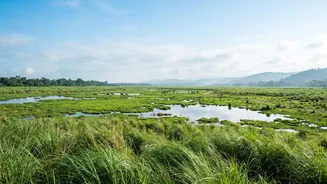
Kaziranga's landscape is a dynamic mosaic of grasslands, wetlands, and forests, defined by the mighty Brahmaputra River. Over 57% of the park is covered by grasslands, which are themselves a product of the river's annual cycle. Each monsoon, the Brahmaputra floods
its banks, inundating large swathes of the park. While this might sound destructive, these floods are the lifeblood of the ecosystem. They deposit nutrient-rich alluvial silt that revitalises the soil, promoting the lush growth of grasses. This process also flushes out invasive weeds like water hyacinth from the many 'beels' (wetlands), ensuring these vital water sources remain healthy.
The Two Faces of the Grassland
The grasslands of Kaziranga are not a uniform entity. They are broadly categorised into two main types, each serving a different purpose. In higher, drier areas, you'll find towering elephant grass that can grow over 15 feet tall. Species like Saccharum and Phragmites create a dense jungle of grass that provides the perfect cover for rhinos, elephants, and even the elusive Bengal tiger. Interspersed with these are shorter grasslands, often found fringing the beels. These meadows of more nutritious, shorter grasses are crucial grazing grounds for herbivores like the swamp deer (barasingha) and hog deer. This combination of tall, protective cover and short, nutritious grazing areas allows Kaziranga to support one of the highest densities of herbivores in Asia.
Maintained by Fire and Grazing
The grasslands are what ecologists call a 'sub-climax' habitat, meaning they are held in a delicate balance and prevented from turning into forest by constant disturbance. The annual floods are the primary force, but park authorities also play a role through controlled burning. After the monsoon and before the new season, large patches of dry grass are systematically burned. This practice clears away old, less nutritious growth, prevents trees from encroaching on the meadows, and stimulates the growth of fresh, palatable shoots that attract grazing animals. The grazing itself, by vast herds of rhinos, elephants, and wild water buffalo, also helps maintain the open character of the landscape.
A Sanctuary for Wildlife
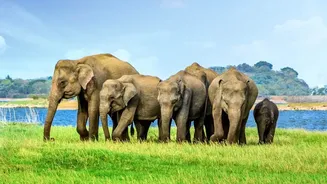
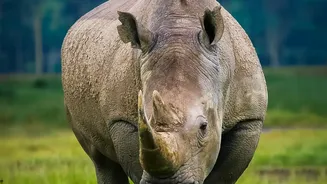
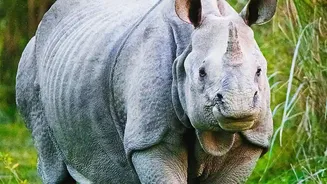
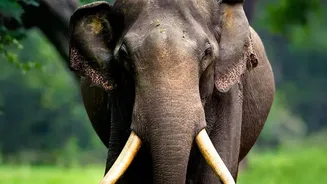
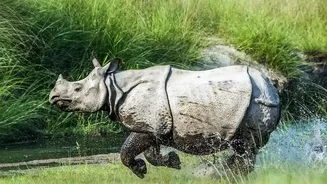
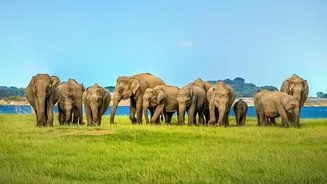
These grasslands are the primary reason Kaziranga is a stronghold for so many iconic species. They are the preferred habitat for the greater one-horned rhinoceros, which can be seen grazing peacefully in the open. Large herds of Asian elephants and the world's largest population of wild water buffalo also depend on these grasses. The swamp deer, with its magnificent antlers, has made a remarkable recovery within these wet grasslands. While tigers are famously secretive, Kaziranga boasts one of the highest tiger densities in the world, a testament to the abundance of prey that the grasslands support. The open terrain also makes it a paradise for birdwatchers, with grassland specialists like the endangered Bengal Florican finding a refuge here.
Experiencing the Grasslands on Safari
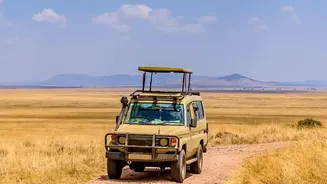
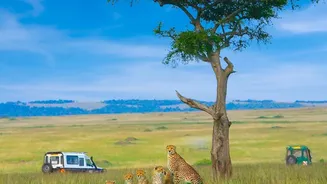
Visitors can experience these landscapes through two main types of safaris. Jeep safaris cover more ground and allow you to explore different zones, from the rhino-rich grasslands of the Western (Bagori) and Central (Kohora) ranges to the wetland habitats of the Eastern (Agaratoli) range, which is a haven for birds. For a different perspective, the early morning elephant safari, offered in the Central and Western zones, takes you off the tracks and deep into the tall elephant grass. This provides an unparalleled opportunity for close encounters with rhinos, who are accustomed to the elephants and often continue grazing undisturbed, allowing you to truly immerse yourself in the heart of this grassy kingdom.