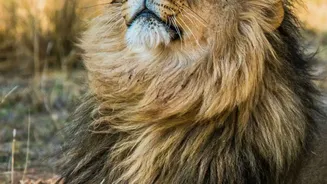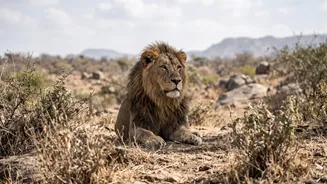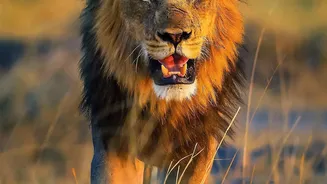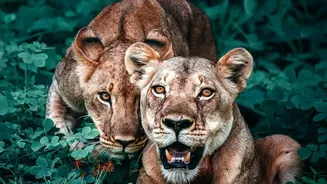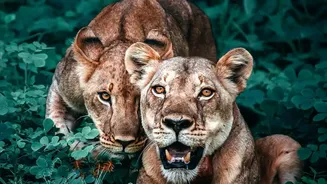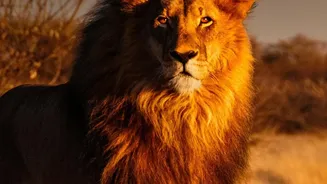

A Pride Overburdened
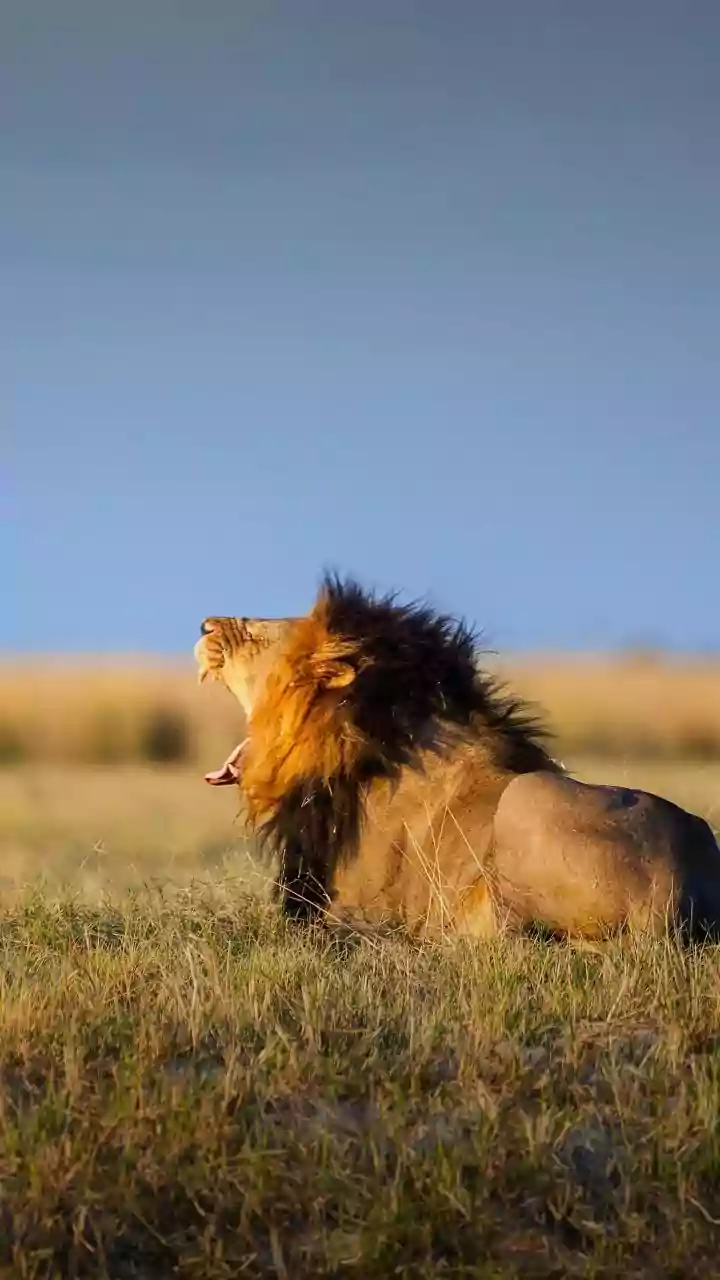
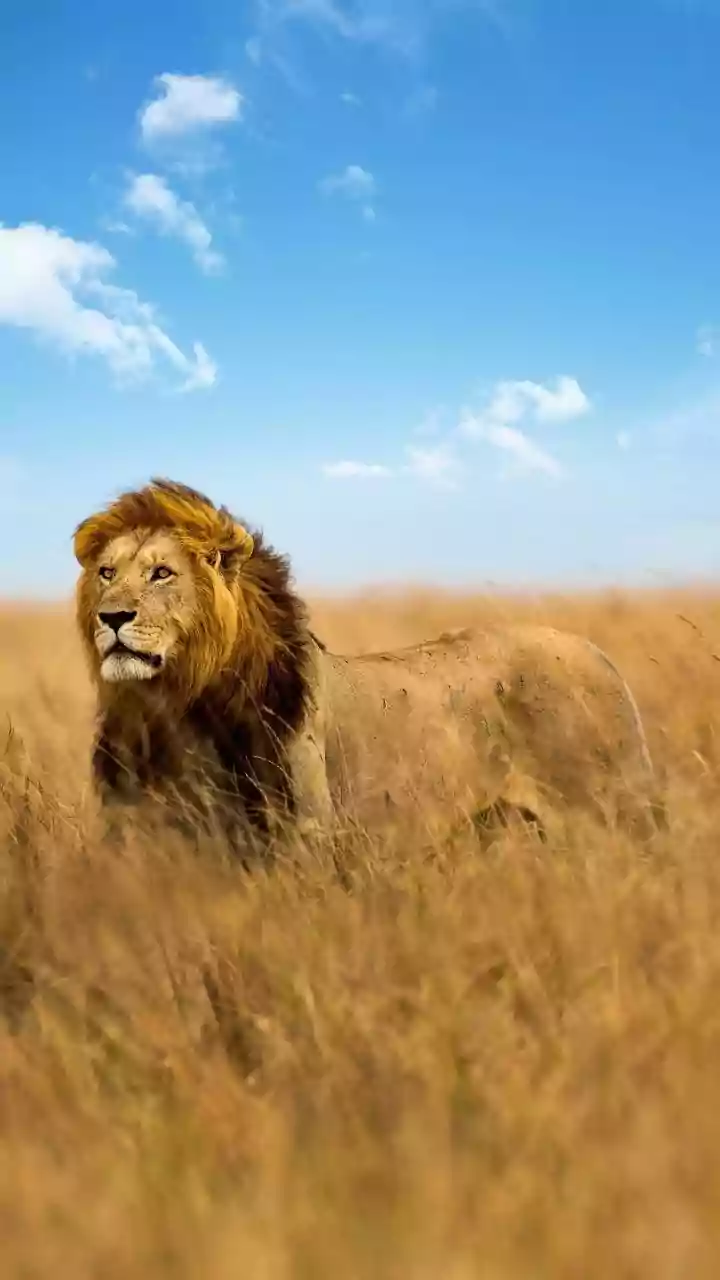
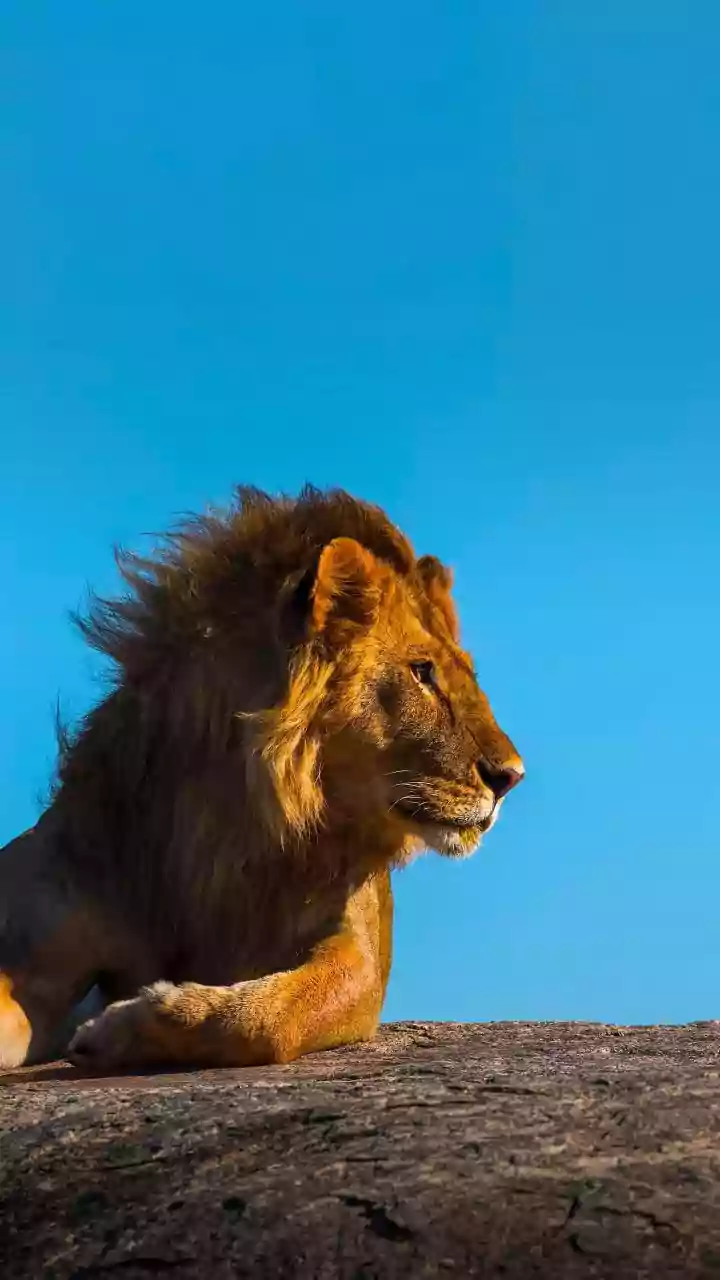
Gir National Park has been the sole sanctuary for the world's last wild population of Asiatic lions. Thanks to decades of dedicated conservation, their numbers have rebounded spectacularly, from a low of around 50 individuals to an estimated 891 by early
2026. But this success has created a new challenge: Gir is overflowing. The high population density puts immense pressure on the habitat. It leads to intense territorial fights, and forces many lions—nearly half the population—to live outside the protected area in human-dominated landscapes. This proximity increases human-lion interactions and makes the lions vulnerable to accidents like falling into open wells or being hit by trains and vehicles. Most critically, having the entire population in one place exposes them to the catastrophic risk of a single disease outbreak, like the canine distemper virus that killed dozens of lions in 2018.
The Long Road to a Second Home
The idea of finding a second home for the lions is not new. For decades, wildlife experts have warned about the risks of keeping all the lions in one basket. In a landmark 2013 judgment, the Supreme Court of India ordered the translocation of some lions from Gujarat to Kuno National Park in Madhya Pradesh to mitigate these risks. However, the move was met with resistance, with the Gujarat government expressing concerns and arguing that the lion was a part of the state's heritage. The interstate translocation never materialized, and Kuno eventually became the new home for cheetahs reintroduced to India. However, the pressing need for a satellite population remained, shifting the focus to creating a second home within Gujarat itself.
Why Barda Wildlife Sanctuary?
Located about 100 kilometres from Gir, the Barda Wildlife Sanctuary was identified as a promising second home for lions as early as 1979. Covering 192 square kilometres, its rugged terrain and dry deciduous forests are similar to Gir's landscape. Critically, a recent scientific study published in September 2026 confirmed that Barda has a suitable habitat and prey base to support a long-term lion population. To prepare the sanctuary, authorities have been working to increase the prey population, translocating hundreds of spotted deer (chital) and sambar into the area. This ensures the lions have enough wild prey, reducing their reliance on domestic livestock and potential conflict with local communities.
Project Lion and the Final Push
The translocation is a key component of 'Project Lion', a national initiative launched in 2020 to conserve the species. Under this project, Barda has been officially designated as a satellite population habitat. The process began naturally in January 2023, when a lone male lion dispersed from Gir and walked into Barda on its own. This pioneering male was soon followed by a planned translocation of five females by the Gujarat Forest Department to establish a breeding population. The plan worked: by October 2026, the Barda population had grown to 17 individuals, including eleven cubs born in their new home. To ensure their safety and study their adaptation, several lions are fitted with radio collars, allowing trackers to monitor their movements and health.
The Journey Ahead and Challenges
The establishment of a second lion population in Barda is a monumental step in securing the species' future. It acts as an ecological insurance policy against disasters that could wipe out the Gir population. The plan involves translocating around 40 adult and sub-adult lions in a phased manner to create a viable, self-sustaining pride. However, the journey is not without challenges. Ensuring a robust prey base, managing human-lion interactions on the sanctuary's periphery, and maintaining genetic diversity within the new population are ongoing tasks. The success in Barda will rely on continuous scientific monitoring, habitat management, and the cooperation of local communities, who are also being involved through ecotourism initiatives.