



India's quest for global recognition of its vast heritage has taken a significant step forward. Three new sites have been added to the country's Tentative List for UNESCO World Heritage status, but what does this nomination really mean?
Meet the New Contenders
The three latest
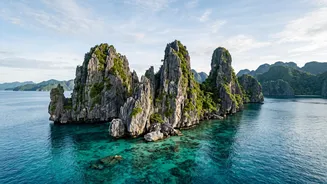
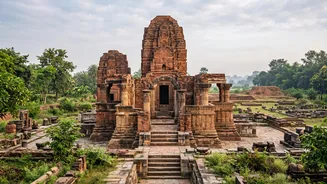
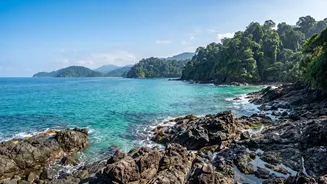
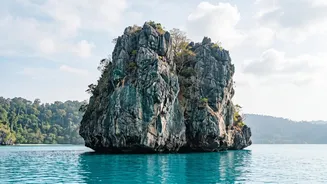
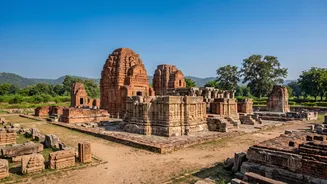
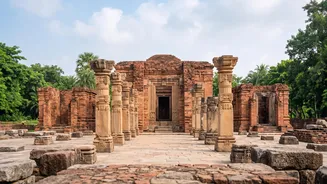
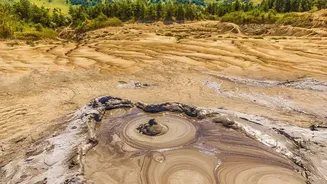
additions, announced by India's Permanent Delegation to UNESCO on October 20, 2026, showcase the nation's incredible natural and cultural diversity. Two are natural sites located in the Andaman and Nicobar Islands: the Karst-mud-volcano Complex of Baratang, which features unique limestone caves and active mud volcanoes, and the Andaman Subduction Volcanoes, comprising the dramatic landscapes of Barren and Narcondam Islands. Barren Island is notably South Asia's only active volcano. The third is a cultural site: the Sirpur Cultural and Archaeological Landscape in Chhattisgarh. Located on the banks of the Mahanadi River, Sirpur was a thriving capital between the 5th and 12th centuries, with extensive archaeological remains of Hindu temples and Buddhist monasteries that show a history of religious coexistence.
What is the 'Tentative List'?
Before a site can be officially nominated for the prestigious World Heritage List, it must first be placed on what is called a Tentative List. This is a mandatory first step in the nomination process. Think of it as an inventory of a country's most significant natural and cultural heritage sites that it believes have 'Outstanding Universal Value'. By placing a site on this list, a country signals its intention to nominate it for consideration by the World Heritage Committee within the next five to ten years. It's a way for countries to plan their future nominations and for UNESCO to have a forecast of upcoming proposals. Inclusion on this list does not guarantee eventual inscription, but a site cannot be considered for nomination without it.
The Long Journey to Inscription
Getting from the Tentative List to the final World Heritage List is a long and meticulous process that can take several years. After a site has been on the tentative list for at least a year, the country can prepare a detailed nomination dossier. This file is an exhaustive document providing comprehensive details about the site, its significance, and a robust management plan for its protection. Once submitted to the UNESCO World Heritage Centre, the dossier is reviewed for completeness and then sent to independent advisory bodies for evaluation — the International Council on Monuments and Sites (ICOMOS) for cultural sites and the International Union for Conservation of Nature (IUCN) for natural sites. These bodies conduct rigorous assessments, including site visits, before making their recommendations. The final decision is made by the World Heritage Committee, which meets once a year to decide which sites will be inscribed.
A Strategic Path to Nomination
So, how does this process open a 'future nomination route'? The Tentative List is a strategic tool. With these three additions, India's list now stands at 81 sites. This large and diverse inventory allows the Archaeological Survey of India (ASI) and the government to be strategic about which property to push for nomination each year. Countries are generally limited to one nomination per year, so the choice is critical. A robust tentative list provides flexibility, allowing India to select a nomination that is not only wellndocumented but might also align with thematic priorities or gaps in the World Heritage List. For example, if UNESCO is looking to recognise more sites related to unique geological processes or ancient civilisations, India has ready contenders like the Andaman volcanoes or Sirpur. It ensures a steady pipeline of strong, wellndprepared proposals, increasing the chances of successful inscriptions over time.
The Bigger Picture for Indian Heritage
These new additions also reflect a broader and more inclusive approach to defining heritage. While India is famed for its monumental forts and palaces, these new sites expand the narrative. The list now includes prehistoric rock art, unique geological formations, and sprawling cultural landscapes that tell the story of humanndenvironment interaction over centuries. This diversification is crucial. It highlights lesserndknown but equally significant aspects of India's past and its natural wonders, ensuring that the story of India presented to the world is as rich and varied as the country itself. This strategic expansion helps in gaining recognition for a wider range of heritage that goes beyond the obvious, strengthening India's cultural footprint on the global stage.